
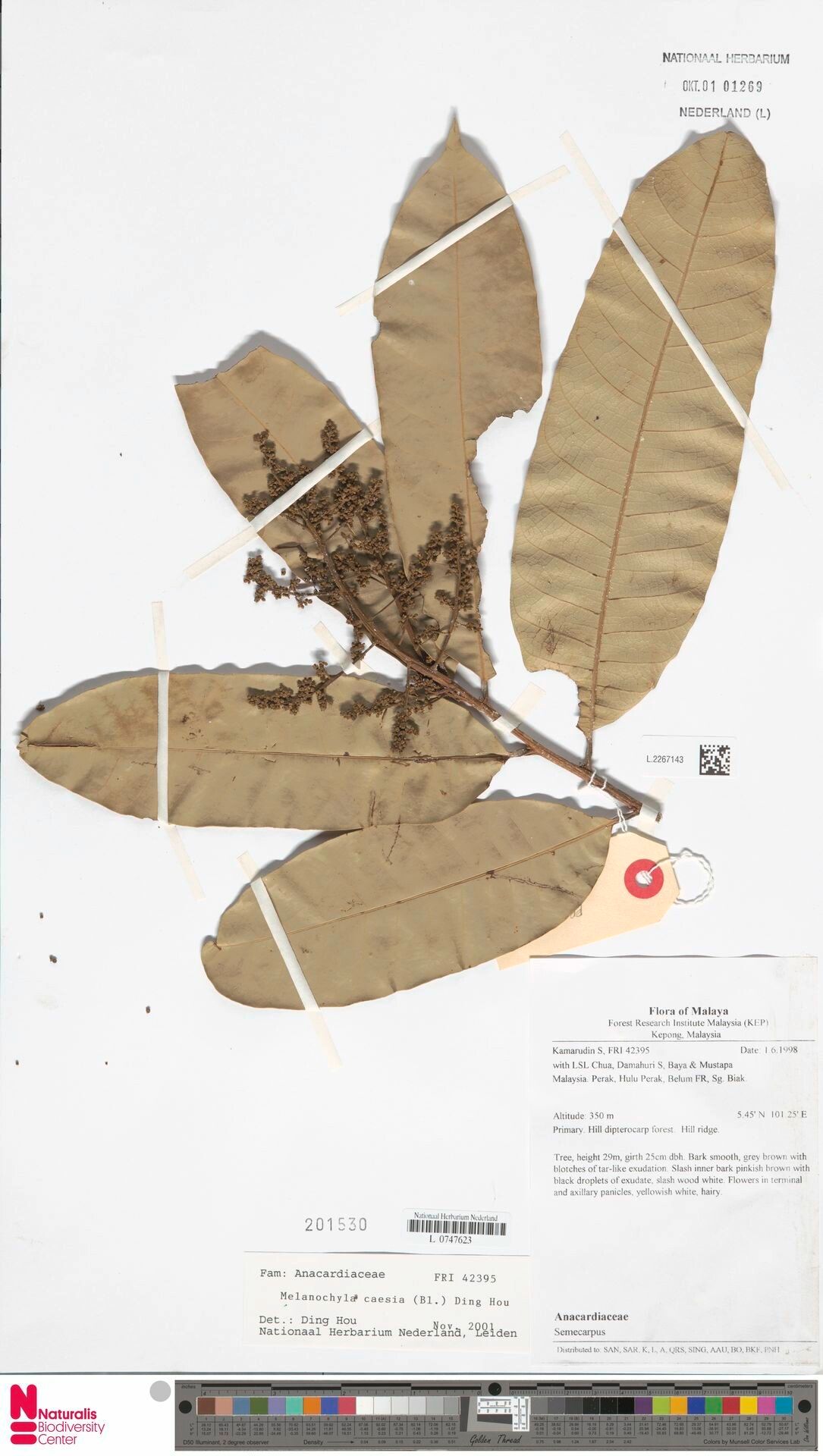
Unveiling the Mysteries of Melanochyla Caesia Propagation: Can You Grow This Tropical Treasure?
Melanochyla caesia, also known as the “Giant Rengas,” is a majestic rainforest tree native to Southeast Asia. Prized for its stunning size and ecological importance, it’s a keystone species, providing food and shelter for various animals. While rarely found outside its natural habitat, the allure of growing this tropical giant is undeniable. But can it be done? Let’s delve into the fascinating, yet challenging, world of Melanochyla caesia propagation.
Understanding the Challenges:
Propagating Melanochyla caesia is not for the faint of heart. Unlike common houseplants easily multiplied by cuttings, this tree primarily reproduces through seeds, presenting a unique set of challenges:
- Seed Scarcity: Melanochyla caesia seeds are not commercially available. Obtaining them requires access to mature trees in their natural habitat, a significant hurdle for most enthusiasts.
- Short-Lived Viability: The seeds are notoriously short-lived, losing viability quickly after falling from the tree. This rapid decline in viability makes timely collection and propagation crucial.
- Specific Germination Requirements: Successful germination requires mimicking the warm, humid conditions of the rainforest floor. Understanding and replicating these conditions is essential for success.
Navigating the Propagation Journey:
While challenging, propagating Melanochyla caesia is not impossible. Here’s a glimpse into the process:
1. Seed Collection and Preparation:
- Source: If you’re lucky enough to find a mature tree, collect fresh seeds directly from beneath it.
- Cleaning: Gently remove any remaining fruit pulp and debris from the seeds.
- Soaking: Soak the seeds in lukewarm water for 24 hours to enhance germination rates.
2. Sowing the Seeds:
- Medium: Use a well-draining seed-starting mix or create your own using equal parts peat moss, perlite, and vermicast.
- Sowing: Sow the seeds about an inch deep in the prepared medium and water thoroughly.
- Environment: Place the seed tray in a warm, humid location with indirect sunlight. Using a humidity dome or placing the tray inside a plastic bag can help maintain high humidity levels.
3. Germination and Early Growth:
- Patience: Germination can be erratic and may take several weeks to months.
- Care: Keep the growing medium consistently moist but not waterlogged.
- Light: Once seedlings emerge, gradually expose them to brighter indirect light.
Beyond Seed Propagation:
While seed propagation is the most common method, research suggests potential for vegetative propagation methods:
- Cuttings: Collecting and rooting stem cuttings under controlled conditions might be possible but requires further research and experimentation.
- Tissue Culture: This method, often used for mass propagation, could be a promising avenue. However, it requires specialized laboratory equipment and expertise.
Conservation Through Propagation:
Melanochyla caesia plays a vital role in its ecosystem, and its populations face threats from deforestation. Successfully propagating this species outside its natural habitat contributes to its conservation by:
- Ex-situ Conservation: Creating a “safety net” population in botanical gardens and research facilities.
- Raising Awareness: Increasing understanding and appreciation for this magnificent species and its ecological importance.
A Call to Action:
While cultivating Melanochyla caesia at home poses significant challenges, its propagation remains a worthwhile endeavor for dedicated enthusiasts and researchers. By unlocking the secrets of its reproduction, we can contribute to the preservation of this majestic rainforest giant. Collaboration between scientists, botanical institutions, and passionate individuals is crucial for ensuring the future of Melanochyla caesia for generations to come.