
Sweet Clover Secrets: How to Propagate Melilotus neapolitanus
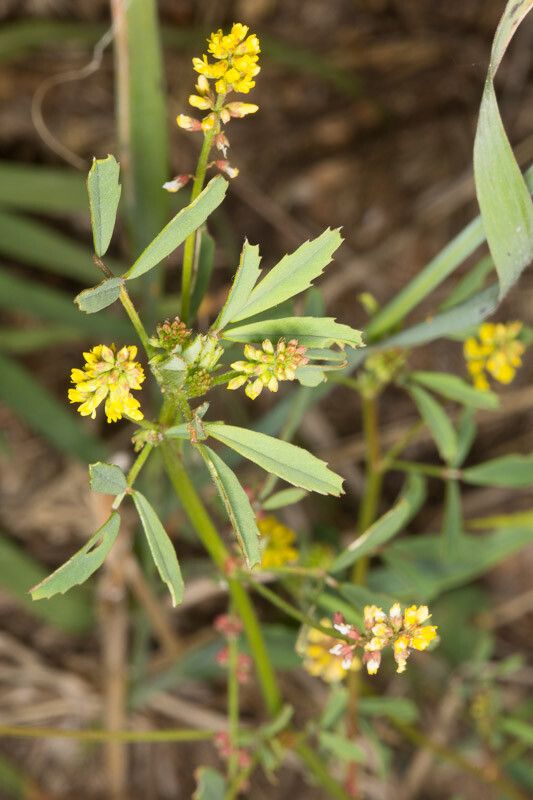
Sweet clover (Melilotus neapolitanus) is known for its charming honey-like fragrance and delicate, yellow blossoms. This beautiful plant, native to the Mediterranean region, graces gardens with its vibrant presence and attracts a plethora of pollinators. But did you know that you can easily share this beauty with friends and fill your garden with even more sweet clover?
This blog post explores the simple and rewarding process of propagating sweet clover, equipping you with the knowledge to expand your garden and share the joy of this fragrant plant.
The Power of Seeds: A Simple and Effective Method
The most straightforward way to propagate sweet clover is through seed. These tiny treasures are readily available online or from your local nursery.
Direct Sowing: Sweet clover thrives in well-drained soil, enjoys full sun, and prefers a temperate climate. Simply sow the seeds directly into your garden bed in spring or early autumn. Scatter the seeds on the prepared soil, lightly cover with a thin layer of soil, and keep it consistently moist until germination.
- Starting Indoors: For earlier blooms and a head-start, you can start seeds indoors in flats or pots. Fill containers with seed-starting mix and sow the seeds a quarter-inch deep. Keep the soil consistently moist, provide bright light, and expect germination within 1-2 weeks. Following the “harden-off” process, you can transplant the seedlings to your garden when the threat of frost has passed.
The Art of Cuttings: A Quick and Efficient Way to Expand Your Stock
Sweet clover can also be propagated with ease through cuttings. This method allows you to create new plants from existing ones, ensuring a continuity of the parent plant’s characteristics.
Timing: The ideal time to take cuttings is during the spring or early summer when the plant is actively growing.
Process: Take a 4-6 inch cutting from the tip of a healthy stem. Remove any leaves from the bottom inch of the cutting and dip the cut end in a rooting hormone powder. Plant the cutting in a pot filled with a moist, sterile rooting medium, like vermiculite or perlite.
- Care: Keep the cutting pot in a warm, bright location, shielding it from direct sunlight. Maintain moisture levels by misting regularly, and be patient. Root development usually takes 2-4 weeks. Once you observe new growth, you can gradually acclimate the cuttings to outdoor conditions.
Beyond Seeds and Cuttings: The Magic of Division
Sweet clover can also be propagated through division. This method is particularly suited to older, established plants and can help revitalize the parent plant while creating new ones.
Timing: The best time to divide sweet clover plants is in spring or autumn.
- Process: Carefully dig around the parent plant and gently separate it into smaller clumps, ensuring each clump has roots and stems. Replant the divisions in a well-prepared bed, ensuring sufficient spacing for healthy growth.
Important Considerations:
Sunlight: Sweet clover thrives in full sun, requiring at least 6 hours of direct sunlight per day.
Soil: Well-drained soil is essential for optimal growth. Avoid planting in areas with waterlogging as this can lead to root rot.
Watering: Water regularly, especially during dry periods, ensuring the soil is consistently moist but not waterlogged.
- Fertilizer: Sweet clover is a light feeder and does not typically require heavy fertilization.
Beyond the Garden: The Benefits of Sweet Clover
Beyond its ornamental value, sweet clover offers numerous benefits. Its fragrant flowers attract pollinators, contributing to the health of your garden ecosystem. Sweet clover can also be utilized in herbal medicine and has been used for centuries to soothe skin irritations, alleviate digestive issues, and reduce inflammation.
By mastering the art of propagation, you can not only expand your garden with this delightful plant but also contribute to the preservation and enjoyment of this beautiful, fragrant species. So, dive into the world of sweet clover and discover the magic of propagation!