
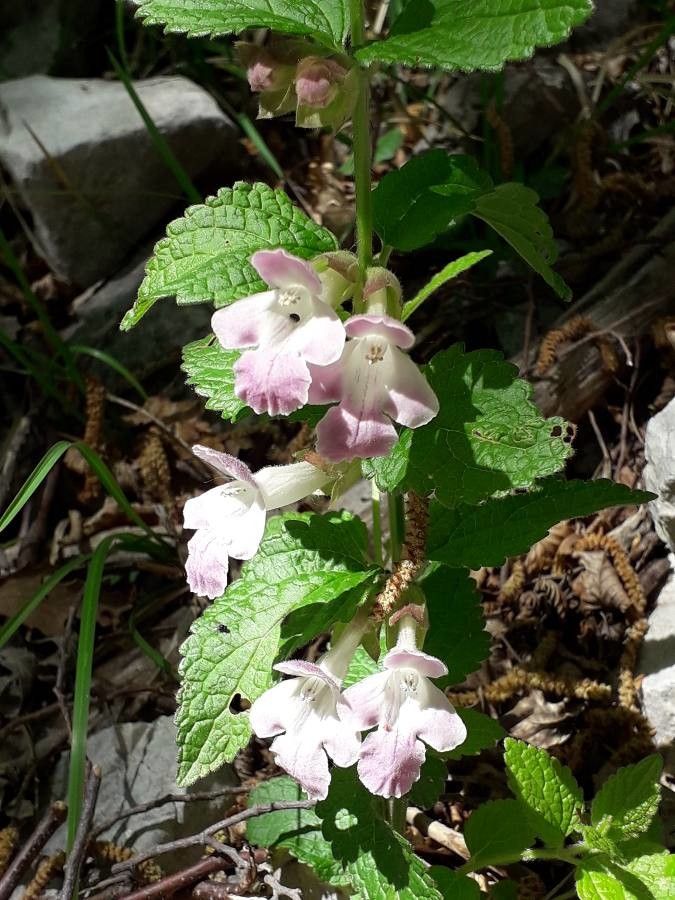
Unlocking the Secrets to Propagating the Enchanting Bastard Balm (Melittis melissophyllum)
The Bastard Balm (Melittis melissophyllum), despite its unfortunate common name, is a charming and relatively unknown woodland wildflower native to Europe. Sporting delicate, two-toned flowers that resemble little jewels amongst heart-shaped leaves, this perennial beauty can add a touch of whimsical elegance to any shade garden. While often found gracing woodland settings, you might be surprised to learn that propagating Bastard Balm isn’t as tricky as you’d think. This guide will unravel the mysteries of multiplying your Melittis melissophyllum and filling your garden with its unique charm.
Method 1: Seed Propagation – Embracing the Element of Surprise
Propagating Bastard Balm from seed offers a rewarding challenge for the patient gardener. Since the resulting plants might not be identical to the parent plant, it adds an element of surprise and variation to your garden.
Timing is Key: Collect seeds in late summer or early fall when the seed capsules turn brown and begin to split. Sow them fresh in a seed tray filled with well-draining seed compost.
Creating the Ideal Nursery: Place the seed tray in a cold frame or unheated greenhouse, exposing the seeds to the natural freeze-thaw cycle of winter. This cold stratification is crucial for breaking their dormancy and encouraging germination.
Welcoming New Life: Be patient; germination can take anywhere from a few weeks to several months. Once the seedlings are large enough to handle, prick them out and transplant them into individual pots.
From Seedling to Garden Star: Gradually harden off the seedlings before planting them in their permanent positions in the garden during late spring or early summer.
Method 2: Division – Sharing the Floral Abundance
Dividing established clumps is another reliable way to propagate Bastard Balm, ensuring you get plants identical to the parent.
The Art of Division: In early spring or fall, carefully lift a mature clump from the ground using a garden fork. Gently tease apart the plant into smaller sections, ensuring each division has a good amount of roots and shoots attached.
Planting Your Divisions: Replant the divisions at the same depth they were originally growing and water them in thoroughly. Keep the soil moist but not waterlogged, especially during the first few weeks after division.
Creating the Perfect Home for Your Bastard Balm
Light and Shade: Bastard Balm thrives in partial shade, mimicking its natural woodland habitat. A spot that receives dappled sunlight throughout the day is ideal.
Soil Preference: Well-drained, humus-rich soil is essential for happy Bastard Balm plants. Amend heavier soils with organic matter like compost or leaf mold to improve drainage.
Watering Wisdom: While Bastard Balm prefers consistently moist soil, it is crucial to avoid waterlogged conditions. Water deeply during dry spells, allowing the excess water to drain away.
Enjoying the Fruits of Your Labor
With a little patience and care, your propagation efforts will be rewarded with a flourishing display of Bastard Balm. This enchanting wildflower, with its delicate blooms and alluring fragrance, is sure to become a cherished addition to your garden, attracting pollinators and adding a touch of whimsical charm.