
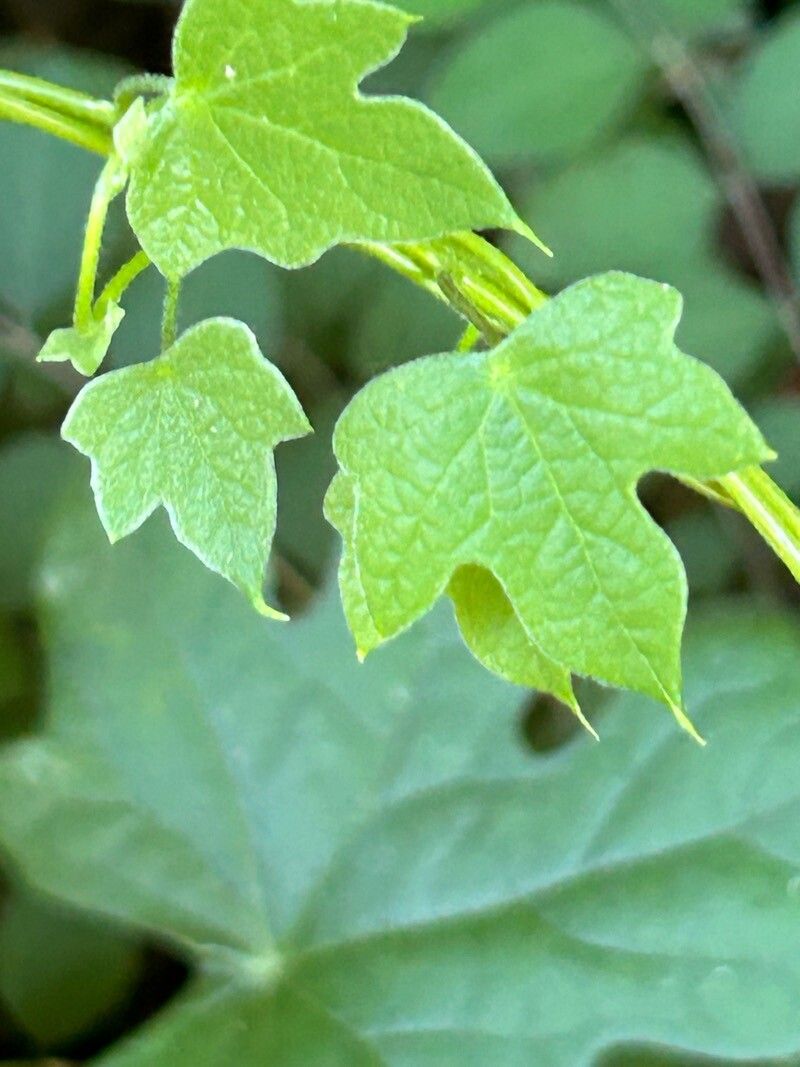
Untangling the Secrets of Moonseed Propagation: How to Grow Your Own Menispermum Canadense
The moonseed vine, scientifically known as Menispermum canadense, might not be a household name like roses or tomatoes, but this intriguing native vine offers a unique charm for adventurous gardeners. With its striking, moon-shaped seeds and vigorous growth habit, moonseed can quickly transform fences, trellises, and arbors into enchanting natural screens.
But how do you go about adding this fascinating climber to your landscape? Let’s delve into the world of Menispermum canadense propagation and discover the secrets to successfully growing this captivating vine.
Two Paths to Moonseed Magic: Seed vs. Cuttings
Like many plants, Moonseed can be propagated through two primary methods:
Seed Propagation: Embracing the Element of Time
- Collecting the Seeds: The most crucial step for successful seed propagation lies in gathering ripe seeds. Look for the characteristic moon-shaped seeds encased in dark purple, almost black berries. Collect these berries in late summer or early fall when they are plump and ripe.
- Breaking Dormancy: Moonseed seeds, like many native plants, exhibit dormancy, requiring a period of cold stratification to germinate. Mimic nature’s process by placing the cleaned seeds in a moist medium like sand or vermiculite and storing them in the refrigerator for 60-90 days.
- Sowing the Seeds: Once stratified, sow the seeds in seed trays or pots filled with well-draining soil. Plant them about ½ inch deep, ensuring they receive ample moisture and indirect sunlight.
- Patience is Key: Germination can be slow and erratic, with some seeds sprouting within a few weeks while others might take months.
Cutting Propagation: Fast-Tracking Your Moonseed Garden
- Timing is Everything: Early summer, when the vine is actively growing, is the ideal time for taking cuttings.
- Selecting Healthy Cuttings: Choose healthy, non-flowering stems that are 4-6 inches long with at least two sets of leaves.
- Creating the Right Environment: Remove the lower leaves and dip the cut end in rooting hormone to encourage root development. Plant the cuttings in a well-draining potting mix, ensuring the leaf nodes are below the soil surface.
- Maintaining Humidity: Cover the cuttings with a plastic bag or humidity dome to retain moisture and promote rooting.
- New Growth = Success: Once you observe new growth, typically within 4-6 weeks, you can gradually acclimate the cuttings to outdoor conditions before transplanting them to their permanent location.
Tips for Thriving Moonseed:
- Location, Location, Location: Moonseed thrives in partial shade to full sun, but remember, more sun equals more water!
- Well-Drained Soil is Crucial: Choose a location with well-drained soil, as soggy conditions can lead to root rot.
- Support Your Climber: Provide sturdy support like a trellis, arbor, or fence to encourage the vine’s natural climbing habit.
- A Little Water Goes a Long Way: While relatively drought-tolerant once established, consistent watering during the first year is crucial for healthy root development.
A Word of Caution:
While the berries may be visually appealing, they are toxic to humans if ingested. Ensure children and pets are supervised around the plant.
Propagating Menispermum canadense may require some patience and care, but the reward of nurturing this unique and beautiful vine from seed or cutting is a truly fulfilling gardening experience. So, try your hand at propagating Moonseed and enjoy the captivating beauty it brings to your garden!