
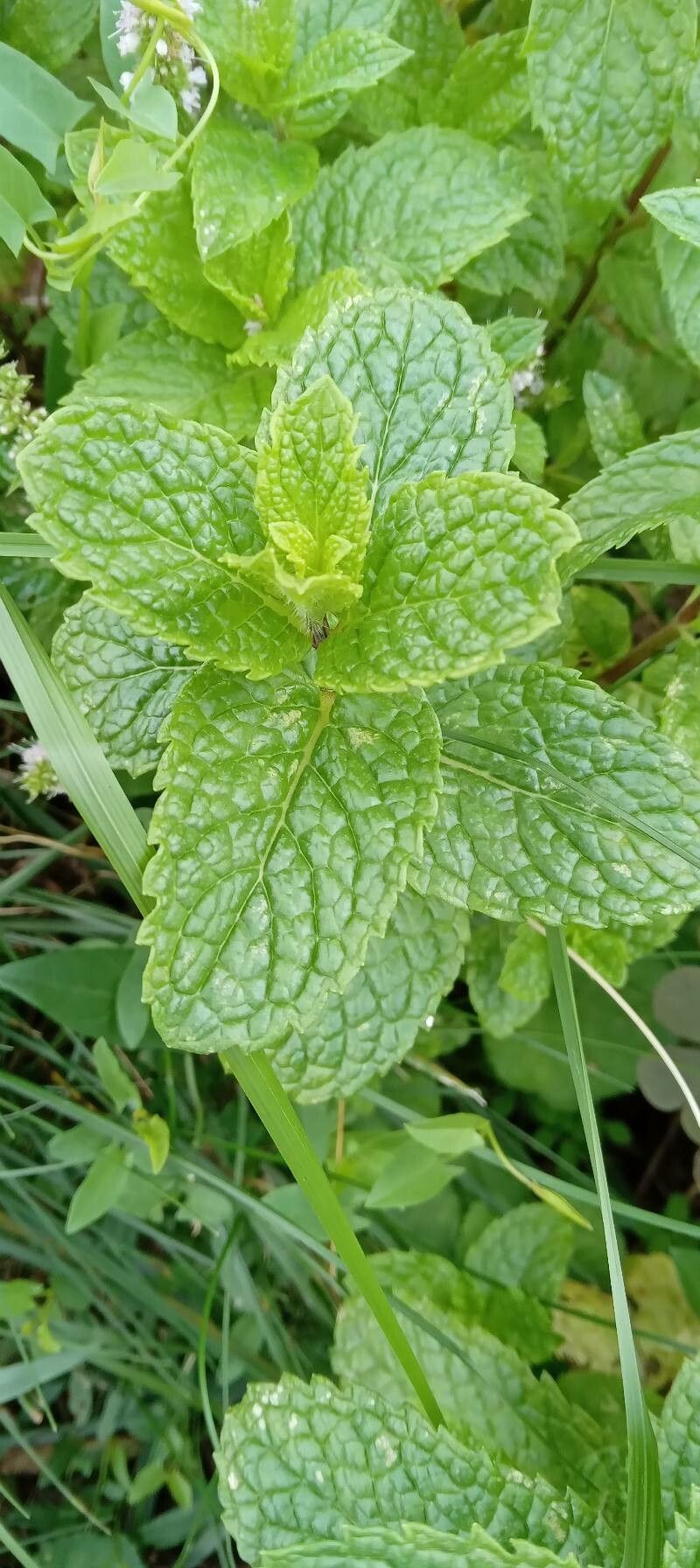
Propagating Apple Mint (Mentha × rotundifolia): A Gardener’s Guide
Introduction:
Mentha × rotundifolia, commonly known as Apple Mint, is a hybrid mint prized for its rounded, apple-scented leaves. Its refreshing fragrance makes it a popular choice for culinary uses, herbal teas, and ornamental gardening. Unlike some of its wilder mint cousins, Apple Mint is generally considered less invasive, making it a more manageable addition to the garden. However, its hybrid nature presents unique challenges when it comes to propagation, impacting the success rates of various methods.
Seed Germination:
Currently, there are no known reliable methods for seed germination propagation of Mentha × rotundifolia. Apple Mint, being a sterile hybrid, rarely produces viable seeds capable of germination. Therefore, relying on seed propagation for this plant is not a practical approach.
Cuttings:
Challenges: While relatively straightforward, cuttings can be prone to rot if not properly managed, especially in humid conditions. The success rate can also vary depending on the timing of the year and the quality of the cutting material.
Practical Tips: Take 4-6 inch stem cuttings in spring or early summer from healthy, actively growing shoots. Remove the lower leaves, dip the cut ends in rooting hormone, and plant them in a well-draining, moist potting mix. Maintain high humidity (e.g., using a humidity dome or plastic bag) and keep the soil consistently moist but not waterlogged. Rooting typically takes 3-4 weeks.
Rewards: Cuttings offer a relatively quick and easy way to propagate Apple Mint, preserving the exact genetic characteristics of the parent plant. It’s a highly effective method for small-scale propagation.
Division:
Challenges: Division requires an established plant, limiting its usefulness for initially acquiring the species. If not carefully executed, division can damage the plant’s rhizomes, potentially hindering its growth.
Practical Tips: The best time to divide Apple Mint is in spring or autumn. Carefully dig up the mature plant, gently separate the rhizomes using a sharp knife or spade, ensuring each division has healthy roots and several shoots. Replant the divisions immediately, spacing them appropriately to prevent overcrowding.
Rewards: Division is a simple, efficient way to increase the number of Apple Mint plants, particularly useful for established gardens. It’s arguably the most reliable method for maintaining stock and expanding cultivation.
Tissue Culture:
Challenges: Tissue culture is a more complex and technically demanding method requiring specialized equipment, a sterile environment, and specific expertise. It’s also relatively expensive compared to other methods.
Practical Tips: This method involves sterilizing plant material and culturing it on a nutrient-rich agar medium in a sterile environment. Successful tissue culture requires precise control of environmental factors such as light, temperature, and humidity. This method is best left to experienced plant propagators with access to the necessary resources.
Rewards: Tissue culture allows for large-scale propagation of genetically identical plants, offering significant potential for commercial production and the conservation of rare or unique cultivars.
Conclusion:
Propagating Apple Mint presents some unique hurdles due to its hybrid nature. While seed propagation is not viable, cuttings and division offer relatively easy and effective methods for the home gardener. Tissue culture, although more technically demanding, offers a path to large-scale production. The most reliable methods are cuttings and division, each with their own merits. The rewards for successfully propagating Apple Mint are manifold – the satisfaction of nurturing new life from existing plants, the expansion of your own fragrant garden, and the ability to share this delightful herb with others. Don’t be discouraged by the challenges; the sweet aroma of your thriving Apple Mint plants will be well worth the effort.