
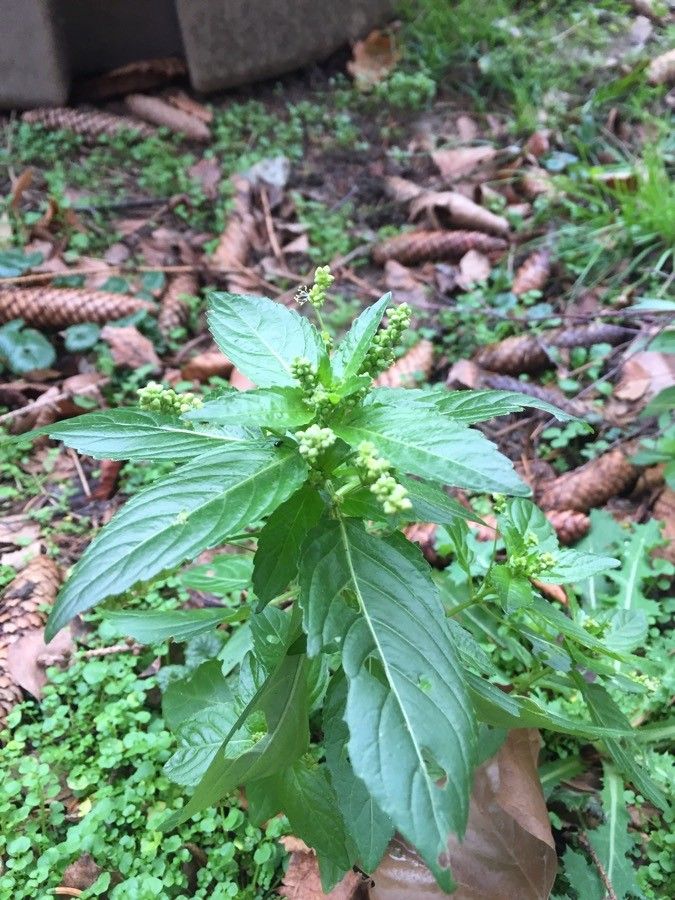
From Weed to Wonder: The Curious Case of Propagating Annual Mercury
You might know it as a pesky weed, but Mercurialis annua (Annual Mercury) is more than just a nuisance in your garden. This fascinating plant, with its distinctive green foliage and tiny, inconspicuous flowers, has a surprisingly interesting story to tell, especially when it comes to propagation.
While it may seem like a formidable foe to gardeners, understanding how Annual Mercury propagates can help you better manage its spread – and even explore its potential uses.
The Seeds of the Matter:
Annual Mercury is, as its name suggests, an annual plant, meaning it completes its life cycle in a single year. Its propagation strategy relies heavily on seeds. Here’s how it works:
- Abundant Seed Production: Each plant produces a large number of tiny, brown seeds in its capsule-like fruits. These seeds are dispersed widely by wind and animals.
- Germination Triggered by Temperature and Light: Annual Mercury seeds require a period of cold temperatures and exposure to light to germinate. This is why they often pop up in abundance after a winter thaw.
- Self-Pollination: The plant is primarily self-pollinating, meaning it can reproduce without relying on insects or other pollinators. This contributes to its ability to thrive in various environments.
More Than Just Seeds:
While seed propagation is Annual Mercury’s primary method of reproduction, it can also spread through vegetative means:
- Root Sprouting: The plant can also sprout from its roots, which helps it to repopulate areas where it has been disturbed. This is a key factor in its persistence as a weed.
Managing the Spread:
Understanding how Annual Mercury propagates is crucial for managing its growth in your garden. Here are a few strategies:
- Hand Removal: Pulling up the plants before they go to seed is the simplest way to prevent them from spreading.
- Mulching: A layer of mulch can help suppress weed growth, including Annual Mercury.
- Crop Rotation: Rotating crops can help to disrupt the weed’s lifecycle and prevent it from becoming established.
- Herbicides: Chemical herbicides can be effective in controlling large infestations, but they should be used cautiously and only when necessary.
Beyond the Weed:
Annual Mercury is more than just a garden pest. It has been used in traditional medicine for its purported anti-inflammatory and analgesic properties. However, it’s important to note that the plant is toxic and should not be ingested, as it contains potentially harmful compounds.
The Bottom Line:
While Annual Mercury might be a frustrating weed, understanding its propagation strategies can empower you to manage its growth effectively. By implementing techniques like hand removal, mulching, and crop rotation, you can keep this plant in check and enjoy a vibrant garden free of its unwelcome presence.
Remember, even seemingly undesirable plants like Annual Mercury can offer fascinating insight into the wonders of the natural world. So, the next time you encounter this curious weed, take a moment to appreciate its unique story. You might just be surprised by what you learn.