
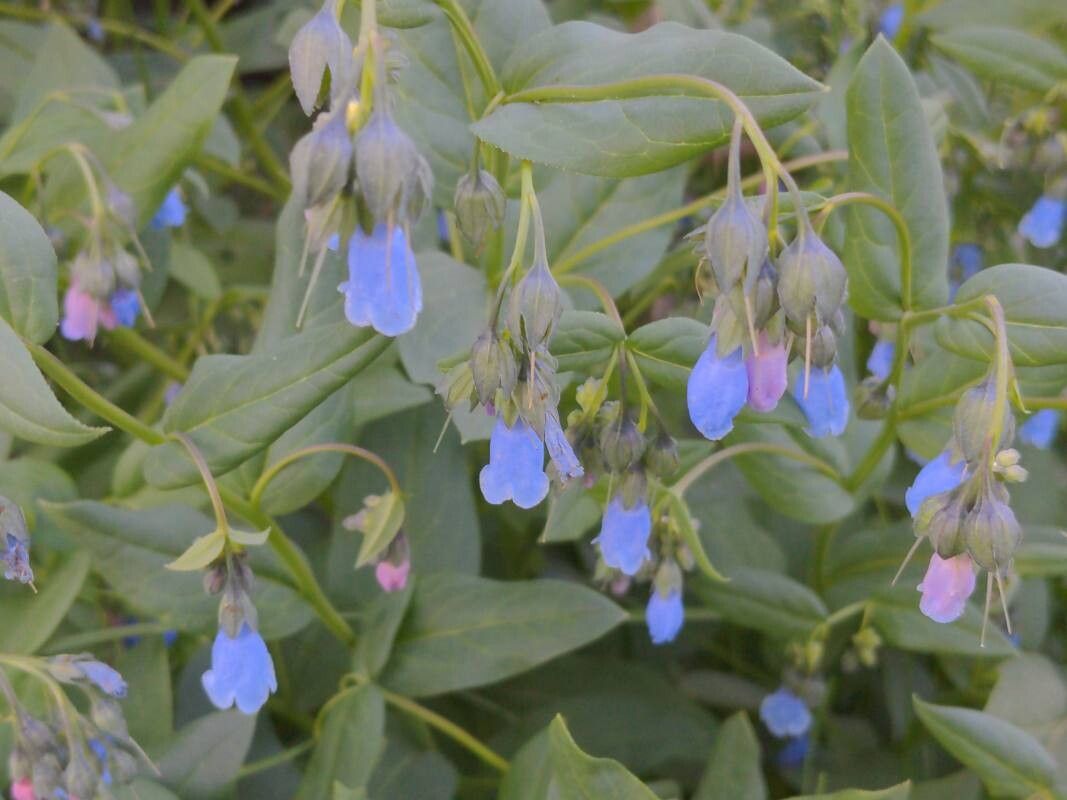
Propagating Arizona Bluebells: A Gardener’s Guide to Mertensia arizonica
Introduction:
Mertensia arizonica, commonly known as Arizona bluebells, is a captivating native wildflower prized for its delicate, bell-shaped flowers that transition from pink buds to vibrant sky blue. Its ephemeral blooming period and the subsequent die-back make it a sought-after addition to rock gardens, woodland borders, and naturalistic plantings. However, its relative rarity in cultivation and its specific environmental needs present challenges for propagation. While attractive to gardeners due to its unique beauty, successfully propagating Arizona Bluebells requires patience and understanding of its unique requirements.
Seed Germination:
Currently, there are no known reliable methods for seed germination propagation of Mertensia arizonica. While seeds may be produced, their germination rate is notoriously low, and success stories are largely anecdotal and lack consistency. The challenging conditions required for successful germination are not yet fully understood, making seed propagation impractical for most gardeners.
Cuttings:
Propagating Mertensia arizonica from cuttings presents significant challenges and has a low success rate. The plant’s delicate nature and its tendency to wilt quickly make it difficult to root cuttings.
Challenges: High rate of cutting failure due to wilting and susceptibility to fungal diseases.
Practical Tips: While some anecdotal evidence suggests trying softwood cuttings taken in spring with hormone rooting powder, success is very limited. Even under optimal humidity and temperature conditions in a mist propagation system, rooting is inconsistent and unreliable.
Rewards: If successful, cuttings offer a quicker method of propagation than division, potentially producing genetically identical plants to the mother plant.
Division:
Division is the most reliable method for propagating Mertensia arizonica.
Challenges: Division requires already established, mature plants which can be difficult to acquire. Dividing the rhizomes too aggressively can damage the plant or reduce its vigor. Timing for division is crucial, needing to be done during the plant’s dormant period after flowering and before new growth.
Practical Tips: Carefully lift the mature plant, gently separating the rhizomes with a sharp, sterile knife or spade, ensuring each division contains substantial root mass. Replant immediately into well-drained, moist but not waterlogged soil, mimicking its natural habitat. Water regularly but avoid overwatering.
Rewards: Division offers the highest success rate compared to other methods, resulting in a readily available means to propagate this species for personal gardens or conservation efforts. It maintains the genetic integrity of the parent plant.
Tissue Culture:
Tissue culture propagation for Mertensia arizonica is largely unexplored.
Challenges: Developing reliable tissue culture protocols for this species would require significant research and experimentation. Expertise in sterile techniques and plant hormonal regulation is needed.
Practical Tips: There is currently a lack of readily available information to guide tissue culture propagation of this plant. At present, this method is not a viable option for most gardeners.
Rewards: Tissue culture has the potential to produce numerous plants rapidly, preserving genetic material, and even generating disease-free specimens. This would be ideal for mass propagation and conservation purposes.
Conclusion:
Propagating Mertensia arizonica presents unique challenges. While seed propagation and cuttings appear impractical, division offers the most reliable method for the home gardener. Tissue culture remains an area for potential future research. The rewards—cultivating this delicate beauty in one’s own garden—certainly make the effort worthwhile. Remember that patience, careful observation, and a deep understanding of the plant’s needs are crucial for success. Don’t be discouraged by initial setbacks; the beauty and uniqueness of the Arizona bluebells make the endeavor a rewarding experience for the determined gardener. For aspiring propagators, start with division if you can acquire a mature plant, and consider contributing to research if you encounter success with other methods.