
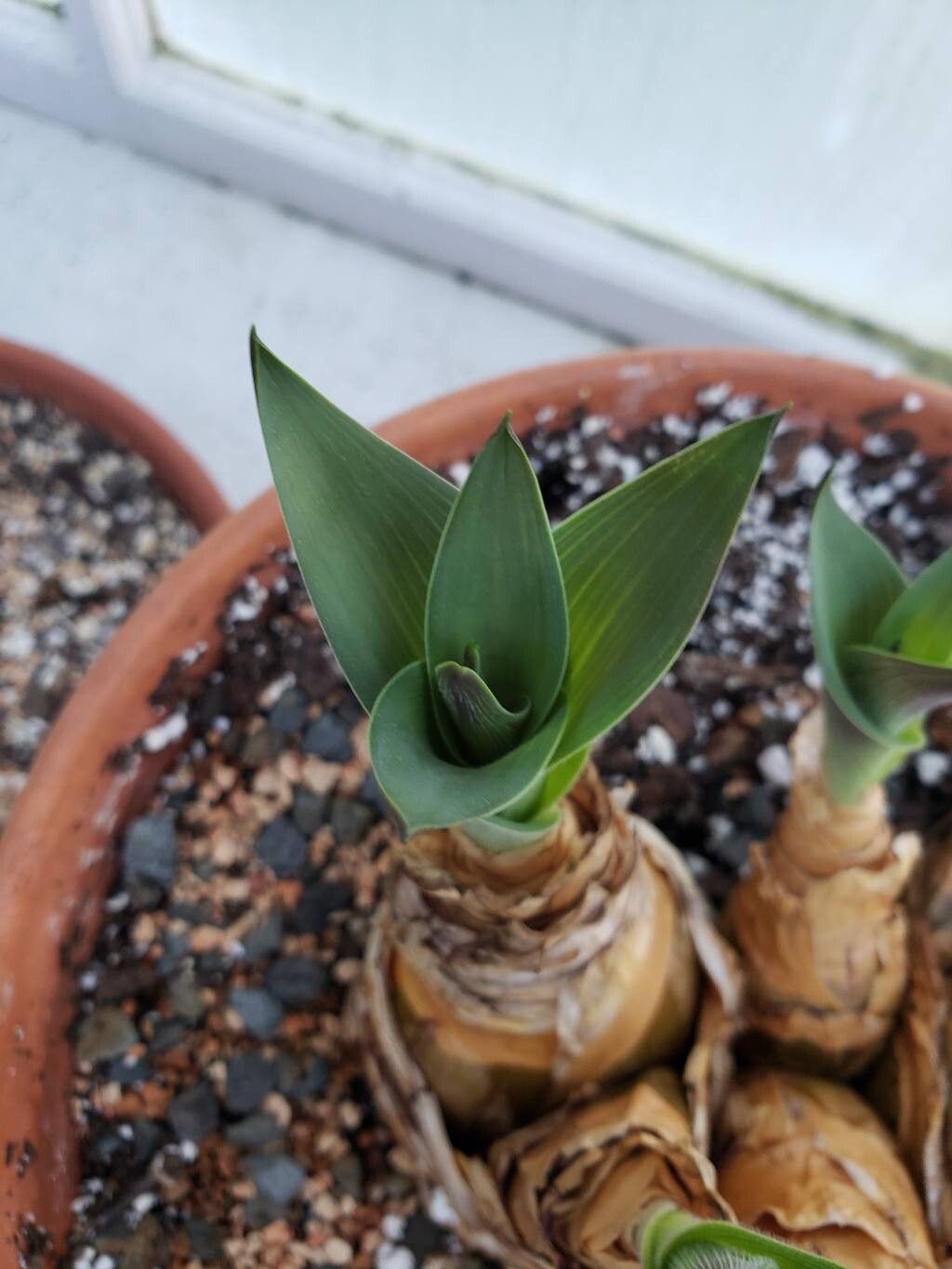
Unleash the Blue Surge: Propagating Your Very Own Merwilla Plumbea
The Merwilla plumbea, also known as the Blue Squill, is a South African native renowned for its captivating displays of vibrant blue, star-shaped flowers. This bulbous plant, with its ability to thrive both indoors and outdoors, is a favorite amongst beginners and seasoned gardeners alike. Want to multiply your blue beauty and spread the floral joy? Let’s delve into the rewarding world of Merwilla plumbea propagation!
Two Paths to Plumbea Proliferation
There are two primary methods for propagating Merwilla plumbea:
Seed Propagation: An adventure for the patient gardener, seed propagation allows you to witness the entire life cycle of your plant. However, it’s a slower process and might not yield identical clones of the parent plant.
- Division of Offsets: This is the quicker and more popular method, perfect for achieving a burst of blue in a shorter timeframe. It involves separating the smaller bulblets, known as offsets, that grow around the mother bulb.
Embarking on Your Propagation Journey
Seed Propagation:
- Timing is Key: Sow the seeds in early spring, providing ample time for growth before winter sets in.
- Sowing the Seeds: Use a well-draining seed starting mix and lightly press the seeds onto the surface, covering them lightly with soil.
- Patience is a Virtue: Maintain consistent moisture and place the pot in a bright location but out of direct sunlight. Germination can take a few weeks to a couple of months.
Division of Offsets:
- The Right Time: The ideal time for this method is after the plant has finished flowering, typically in late summer or early fall.
- Gentle Separation: Carefully dig up the clump of bulbs and gently separate the offsets from the mother bulb. Ensure each offset has some roots attached.
- Potting Your Offsets: Plant the offsets individually in well-draining potting mix, ensuring the top of the bulb is just below the soil surface. Water them well and place them in a bright location.
Nurturing Your New Blue Progeny
- Light is Life: Merwilla plumbea thrives in bright, indirect light. Indoors, a south or east-facing window would be ideal.
- Water Wisely: Allow the soil to dry out slightly between waterings to prevent bulb rot. Overwatering is a common pitfall.
- Feeding Frenzy: During the growing season (spring and summer), fertilize your plants monthly with a balanced liquid fertilizer.
Reaping the Rewards
While seed-grown plants may take a couple of years to flower, offset-propagated plants often bloom in their second year. Imagine the satisfaction when you witness a sea of blue blooms—a testament to your propagation success!
Propagating your Merwilla plumbea is an enjoyable and rewarding experience. By following these simple techniques, you can expand your blue-hued plant family and enjoy their captivating beauty for years to come!