
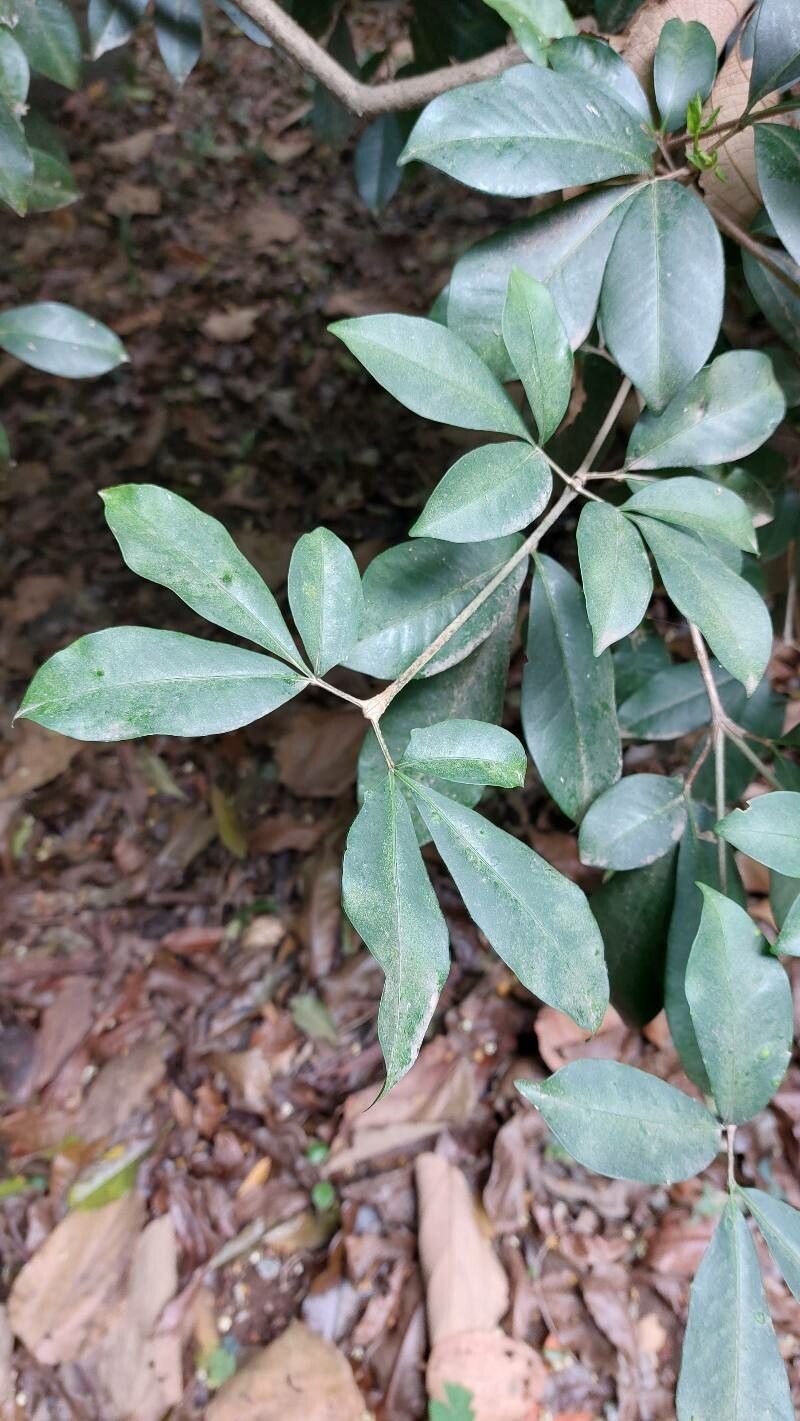
Propagating the Brazilian Pepper Tree: A Gardener’s Guide to Metrodorea nigra
Introduction:
Metrodorea nigra, also known as the Brazilian pepper tree (though not related to the invasive Schinus terebinthifolius), is a captivating shrub or small tree prized for its attractive, glossy foliage, and delicate, fragrant flowers followed by showy fruit. Its popularity among gardeners stems from its ability to thrive in subtropical and tropical climates, adding a unique textural and visual element to landscapes. However, propagating Metrodorea nigra presents specific challenges, making successful cultivation all the more rewarding.
Seed Germination:
Currently, there are no known reliable methods for seed germination propagation of Metrodorea nigra. While seeds might be produced, their viability and germination rate are reportedly very low, hindering their use as a practical propagation technique. Further research is needed to identify optimal germination conditions or pre-treatment methods that may improve success.
Cuttings:
Cuttings represent a more promising method for propagating Metrodorea nigra.
Challenges: The primary challenge lies in achieving successful rooting. Metrodorea nigra cuttings can be slow to root, and require precise conditions to stimulate root development.
Practical Tips: Semi-hardwood cuttings taken in late summer or early autumn appear to offer the best chance of success. Cuttings should be approximately 10-15cm long, taken from actively growing stems. The use of rooting hormone is highly recommended. Plant the cuttings in a well-draining propagation mix, maintaining high humidity (e.g., using a propagator or humidity dome) and consistently moist (but not waterlogged) conditions. Bottom heat can significantly improve rooting rates.
Rewards: Cuttings offer a reliable way to increase the number of plants while preserving the desirable traits of the mother plant. This makes it preferable for clonal propagation where consistent quality and desirable characteristics are paramount.
Division:
Division is generally not a viable propagation method for Metrodorea nigra due to its single-trunk growth habit. While larger, established plants may develop suckers near their base, these are typically insufficient for propagation.
Tissue Culture:
Tissue culture offers a potential, albeit highly specialized, method for propagating Metrodorea nigra.
Challenges: Establishing a successful tissue culture protocol for Metrodorea nigra requires significant expertise and specialized laboratory equipment. The development of appropriate media formulations and sterilization techniques is crucial to avoid contamination and ensure optimal growth.
Practical Tips: This method is best undertaken within a laboratory setting with experience in plant tissue culture. Factors requiring careful control include nutrient media composition, growth regulators (plant hormones), temperature, light intensity, and sterile conditions.
Rewards: Tissue culture allows for rapid multiplication of plants, producing a large number of genetically identical clones in a short time. This is ideal for commercial propagation or conservation efforts where large quantities of plants are needed.
Conclusion:
Propagating Metrodorea nigra presents various hurdles, with cuttings offering the most readily accessible approach for the home gardener. While seed germination and division are largely unreliable, tissue culture provides an avenue for large-scale propagation, albeit demanding specialized knowledge and resources. The challenges associated with each method emphasize the satisfaction one derives from overcoming these obstacles and successfully cultivating this beautiful plant. The unique rewards of nurturing a Metrodorea nigra from a cutting, patiently tending to its growth until it thrives, are well worth the effort. Aspiring propagators should experiment with the cutting method, meticulously following the necessary steps and remembering that patience and persistence are key to success. Don’t get discouraged by initial setbacks – the accomplishment of propagating this striking plant is deeply rewarding.