
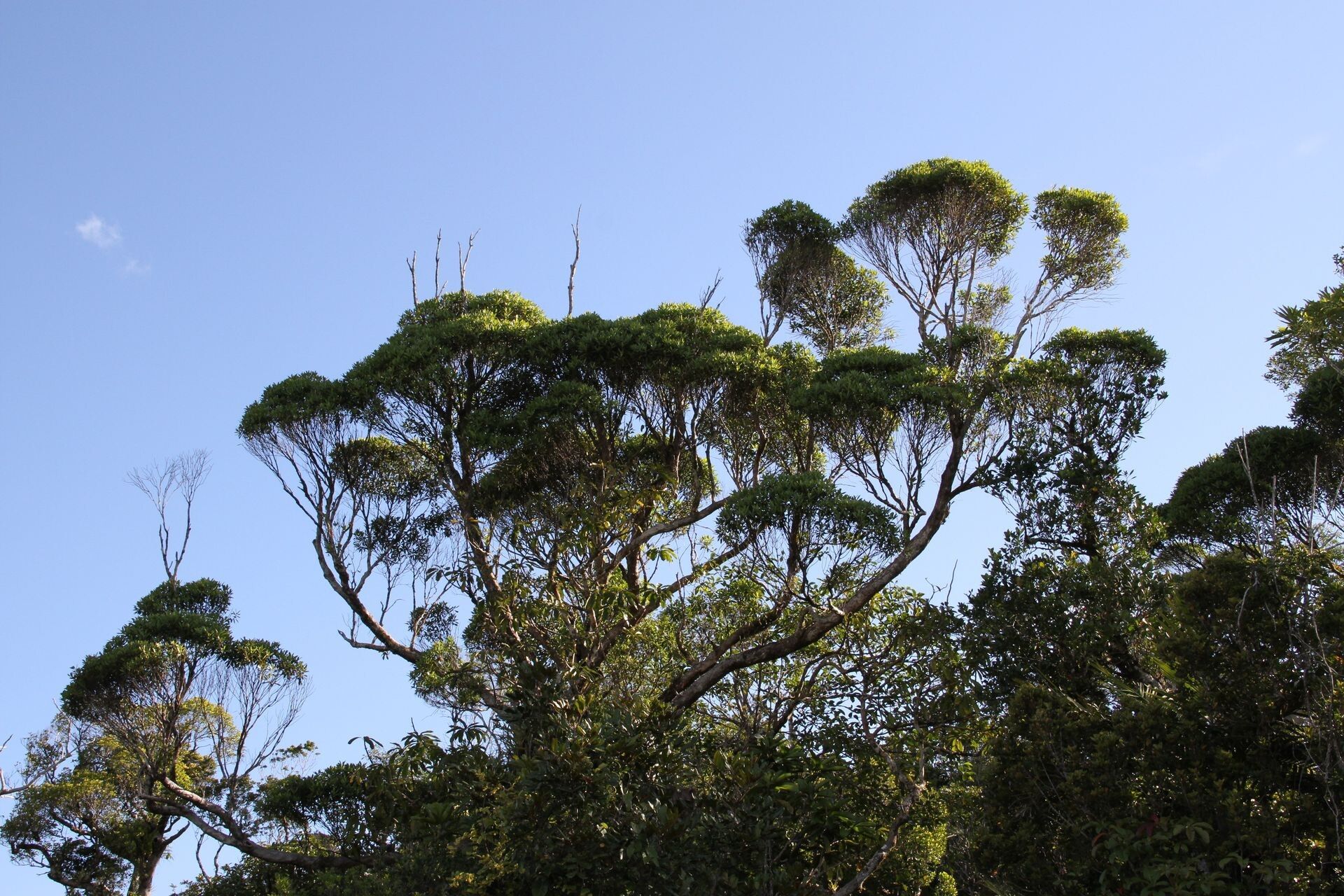
Unlocking the Secrets of Southern Rata Propagation: A Guide to Growing Metrosideros Tardiflora
The Southern Rata, with its fiery red blooms lighting up the forests of New Zealand, is a sight to behold. This majestic tree, known scientifically as Metrosideros tardiflora, is a true testament to nature’s artistry. If you’ve ever dreamt of welcoming this botanical masterpiece into your own garden, you might be surprised to learn that propagating Metrosideros tardiflora, while challenging, is achievable with the right knowledge and a dash of patience.
Understanding the Challenges
Before we delve into the methods, it’s important to acknowledge that propagating Southern Rata isn’t a walk in the park. Their natural regeneration in the wild is notoriously slow, and replicating those specific conditions can be tricky. The key challenges lie in:
- Seed dormancy: Southern Rata seeds often exhibit dormancy, meaning they require specific conditions to break their slumber and kickstart germination.
- Fungal sensitivity: Young seedlings are particularly vulnerable to fungal diseases, demanding careful attention to hygiene and environmental factors.
- Specific soil requirements: Replicating their preferred well-drained, slightly acidic soil is crucial for successful growth.
Propagation Methods: Seeds vs. Cuttings
1. Seed Propagation:
- Collection: Harvest ripe seed capsules from late summer to autumn. Look for dry capsules that readily release their tiny seeds.
- Pre-treatment: To break dormancy, soak seeds in warm water for 24 hours, changing the water a couple of times.
- Sowing: Use a well-draining seed raising mix and sprinkle seeds on the surface, pressing them lightly. Mist with water and enclose the pot in a plastic bag to maintain humidity.
- Germination: This can be erratic, taking anywhere from a few weeks to several months. Be patient and provide consistent moisture and warmth (around 20-25°C).
2. Propagation from Cuttings:
- Timing: Take semi-hardwood cuttings in late summer or early autumn.
- Selection: Choose healthy, non-flowering shoots about 10-15cm long.
- Preparation: Remove the lower leaves and wound the base of the cutting slightly to expose the cambium layer, which promotes root development. Dip the end in rooting hormone.
- Planting: Use a free-draining potting mix and insert the cutting into a pre-made hole. Water gently and enclose the pot in a plastic bag to create a humid environment.
- Rooting: This method can also take several weeks. Consistent moisture and warmth are key.
Patience is a Virtue: Nurturing Your Southern Rata
Regardless of the method you choose, remember that patience is your best friend when propagating this stunning species. Provide these young plants with:
- Bright, indirect light: Avoid harsh, direct sunlight, which can scorch young foliage.
- Consistent moisture: Keep the soil evenly moist but not waterlogged.
- Good air circulation: This helps prevent fungal diseases.
- Fertilize sparingly: Use a diluted liquid fertilizer once a month during the growing season.
A Rewarding Journey
Propagating Metrosideros tardiflora might require some trial and error, but the reward of witnessing their fiery blooms in your own backyard is well worth the effort. By understanding their unique challenges and following these techniques, you can increase your chances of success and contribute to preserving this iconic New Zealand treasure.