
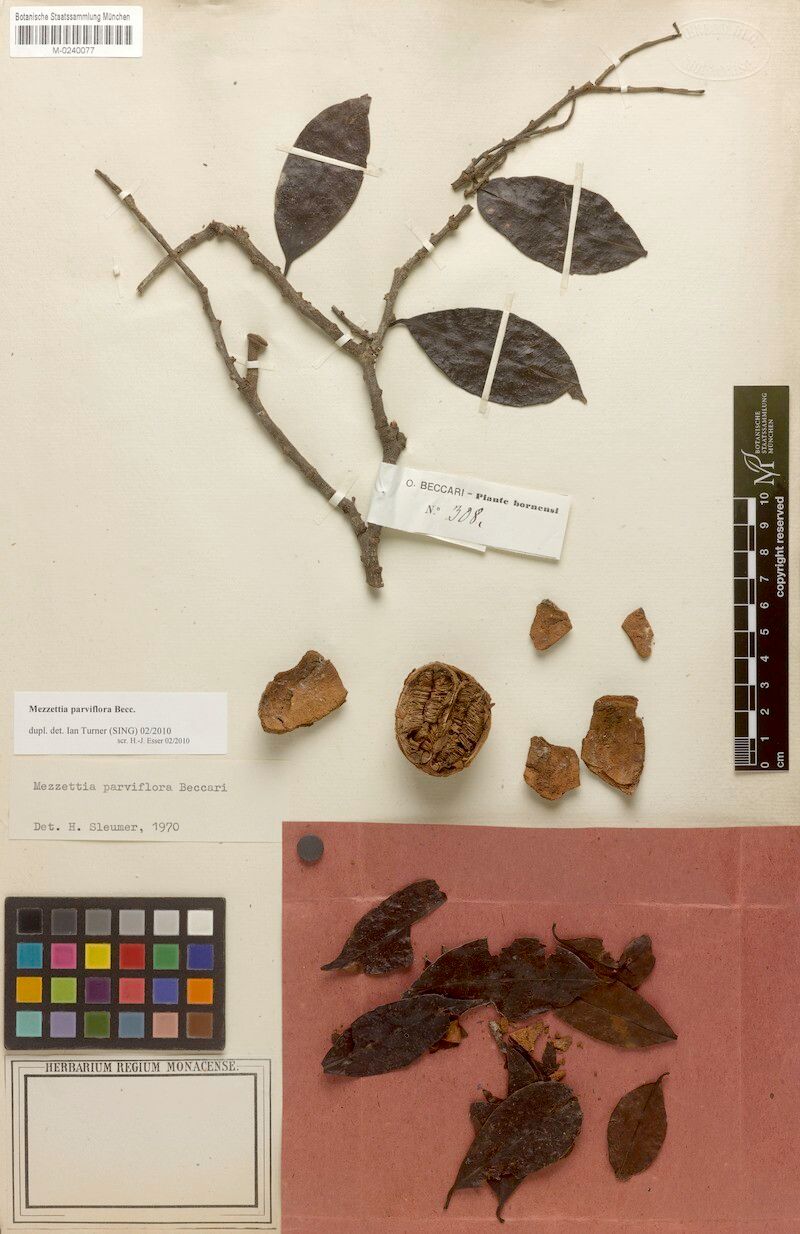
Unlocking the Secrets of the White Cheesewood: A Guide to Propagating Mezzettia parviflora
The White Cheesewood, or Mezzettia parviflora, is a captivating tree native to Southeast Asia. With its glossy leaves, fragrant white flowers, and unique fruit that smells like blue cheese (yes, you read that right!), it’s a fascinating addition to any tropical garden. But propagating this intriguing species can be tricky.
Fear not, nature enthusiasts! This guide will equip you with the knowledge to successfully propagate Mezzettia parviflora and unveil its beauty in your own backyard.
Two Paths to Propagation
Two primary methods exist for propagating White Cheesewood:
1. Seed Propagation: A rewarding, albeit lengthy, process.
- Seed Collection: Harvest mature fruits directly from the tree. These resemble woody pods and contain multiple seeds.
- Seed Preparation: Extract seeds from the fruit and soak them in water for 24 hours. This helps soften the outer layer and improve germination rates.
- Sowing: Plant seeds in a well-draining seed-starting mix, burying them about an inch deep.
- Environment: Provide warmth (around 75-85°F) and consistent moisture. Utilize a propagation dome or plastic wrap to create a humid environment.
- Patience: Germination can take several weeks to months. Once seedlings emerge and develop a few true leaves, transplant them into individual pots.
Pros of Seed Propagation:
- Genetic Diversity: Seed-grown plants contribute to a healthier gene pool.
- Rewarding Experience: Witnessing the entire life cycle of the plant brings immense satisfaction.
Cons of Seed Propagation:
- Time-Consuming: Germination can be slow and unpredictable.
- Variability: Seed-grown plants may exhibit slight variations from the parent plant.
2. Cutting Propagation: A faster method for replicating the specific traits of the parent tree.
- Cutting Selection: Choose healthy, semi-hardwood cuttings from the current season’s growth. Ideally, cuttings should be 4-6 inches long with several nodes.
- Cutting Preparation: Remove leaves from the bottom third of the cutting. Dip the cut end in rooting hormone to encourage root development.
- Planting: Plant cuttings in a well-draining rooting medium, such as a perlite and peat moss mix.
- Environment: Maintain high humidity and warmth. A humidity dome or plastic bag placed over the cuttings helps retain moisture.
- Root Development: Roots typically develop within 4-8 weeks. Gently tug on the cutting – resistance indicates successful rooting.
- Transplanting: Once rooted, transplant cuttings into individual pots with well-draining soil.
Pros of Cutting Propagation:
- Faster Results: Plants mature quicker than those started from seed.
- Clonal Replication: Cuttings inherit the characteristics of the parent plant, ensuring consistency.
Cons of Cutting Propagation:
- Limited Genetic Diversity: Cuttings are genetically identical to the parent plant, potentially making them more susceptible to diseases.
- Skill Required: Taking successful cuttings requires some practice and technique.
Nurturing Your White Cheesewood
Regardless of your chosen propagation method, young Mezzettia parviflora thrive in:
- Well-Draining Soil: These trees are susceptible to root rot in soggy conditions.
- Partial Shade: Young plants benefit from protection from intense sunlight.
- Consistent Moisture: Water regularly but allow the soil to dry slightly between waterings.
A Note of Caution: All parts of the Mezzettia parviflora plant are considered poisonous if ingested. Wear gloves when handling the plant and keep it away from children and pets.
With patience and dedication, you can successfully propagate these magnificent trees and enjoy the enchanting presence of White Cheesewood in your tropical oasis.