
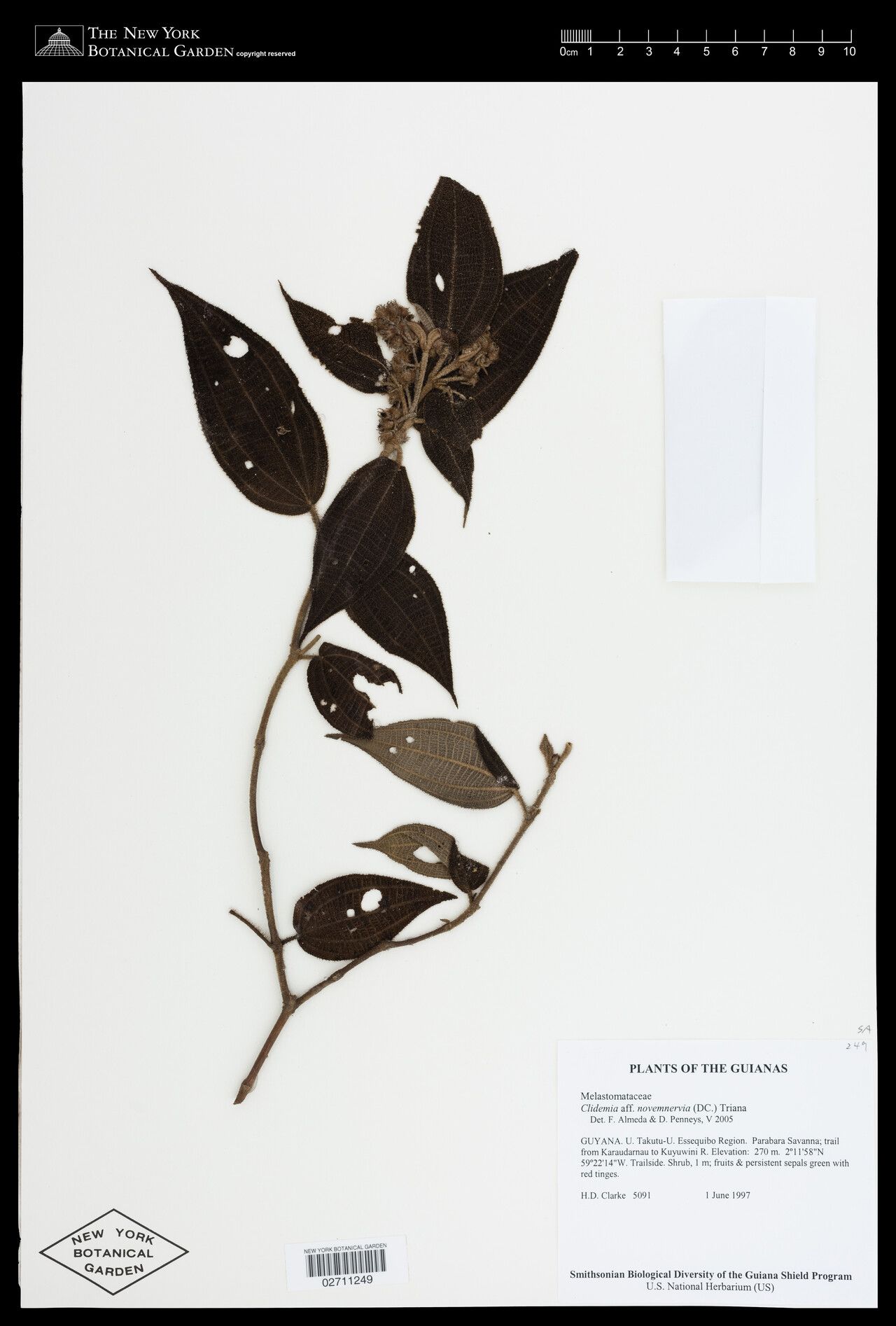
Unveiling the Secrets of the Miconia bullatifolia: A Guide to Propagation
The Miconia bullatifolia, also known as the “velvet tree” thanks to its stunning foliage, is a sight to behold. Native to the rainforests of Central and South America, this tropical marvel is coveted for its large, velvety leaves that boast an incredible iridescent purple underside. If you’re lucky enough to obtain this beauty and dream of multiplying your treasure, then understanding its propagation is key.
While relatively uncommon in cultivation, propagating Miconia bullatifolia is achievable with some patience and the right techniques. Let’s explore the two main methods:
1. Seed Propagation: A Test of Patience
Propagating from seed presents an exciting challenge, offering a deeper connection to the plant’s life cycle. However, it demands dedication and a longer waiting game.
- Seed Collection: Successfully harvesting seeds requires access to a mature plant. The Miconia bullatifolia produces small, berry-like fruits that contain numerous tiny seeds. Collect ripe fruits and gently extract the seeds.
- Seed Preparation: Due to their hard outer coating, Miconia bullatifolia seeds benefit from scarification to encourage germination. Gently rub the seeds between two pieces of sandpaper or soak them in warm water for 24 hours.
- Sowing: Use a well-draining seed starting mix and sow the seeds shallowly. Maintain consistent moisture and warmth (around 75°F). Germination is erratic and can take anywhere from a few weeks to several months.
- Seedling Care: Once seedlings emerge, provide them with bright, indirect light. Avoid direct sunlight which can scorch the delicate leaves. Keep the soil consistently moist but not waterlogged.
2. Semi-Hardwood Cuttings: A Quicker Route
For a faster and potentially more successful approach, consider propagating from semi-hardwood cuttings. This method takes advantage of the plant’s natural ability to root from stem sections.
- Cutting Selection: During the active growing season (spring or early summer), choose healthy stems that are partially mature. These will be firm and less flexible than new growth but not completely woody.
- Cutting Preparation: Using a sharp, sterilized knife or pruning shears, take cuttings around 4-6 inches long. Make a clean cut just below a leaf node. Remove the lower leaves to prevent them from rotting in the soil.
- Rooting Hormone (Optional): While not essential, dipping the cut end of the stem in rooting hormone can significantly improve success rates by stimulating root development.
- Planting the Cuttings: Plant the cuttings in a well-draining potting mix, burying at least two nodes below the surface. Maintain consistent moisture and humidity. A cloche or humidity dome can help create a favorable microclimate.
- Root Development: With patience and proper care, roots should develop within 4-8 weeks. Gently tug on the cutting to check for resistance, indicating root formation.
Nurturing Your New Miconia bullatifolia
Regardless of your chosen propagation method, once your new plants are established, provide them with the optimal conditions to thrive:
- Bright, Indirect Light: Mimic their rainforest home by offering bright, indirect light. Avoid direct sunlight, which can scorch the leaves.
- High Humidity: These plants crave humidity. Regular misting, a pebble tray, or a humidifier can help recreate a more humid environment.
- Well-Draining Soil: Use a well-draining potting mix to prevent root rot. A mixture of peat moss, perlite, and vermicast is a good option.
- Consistent Watering: Keep the soil consistently moist, but never waterlogged.
Propagating Miconia bullatifolia can be a rewarding experience. With the right knowledge and a bit of dedication, you can multiply this stunning species and share the beauty of its velvety foliage with fellow plant enthusiasts.