
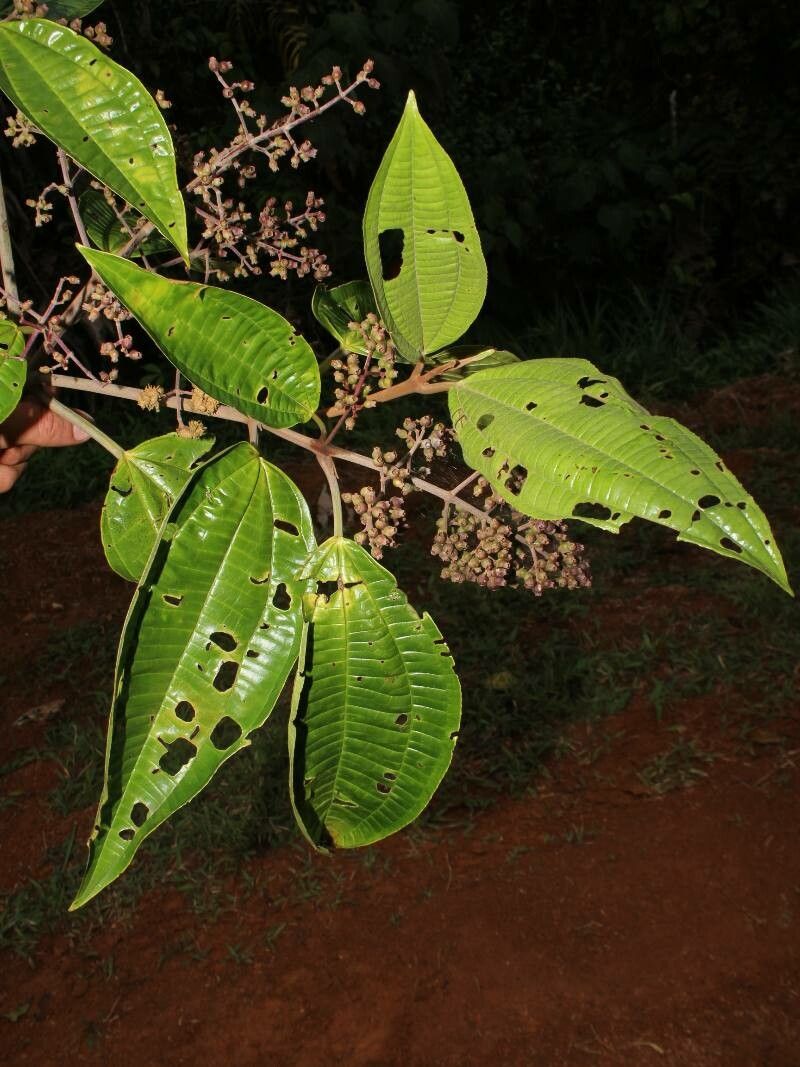
Taming the Velvet Invader: Can You Propagate Miconia calvescens?
Miconia calvescens, better known as the velvet tree or green cancer, is a stunning plant with large, velvety leaves showcasing a vibrant purple underside. It’s easy to see why gardeners might be tempted to cultivate this tropical beauty. However, Miconia calvescens comes with a dark side: it’s a notoriously invasive species, earning its “green cancer” moniker by aggressively outcompeting native plants and devastating ecosystems.
This begs the question: can you propagate Miconia calvescens, and should you?
Propagation: Possible but Not Advised
The simple answer is yes, Miconia calvescens can be propagated, and quite easily at that. It readily reproduces through:
- Seeds: A single plant can produce millions of tiny seeds, easily dispersed by wind, water, and animals. They remain viable in the soil for years, making eradication efforts incredibly challenging.
- Cuttings: Stem cuttings of Miconia calvescens readily root, allowing for quick and simple cloning.
While propagating the velvet tree might seem enticing, it’s crucial to understand the environmental implications.
The Ecological Threat
Miconia calvescens is listed as one of the world’s 100 worst invasive alien species by the IUCN. Its aggressive growth pattern allows it to:
- Dominate the Canopy: Its large leaves block sunlight from reaching the forest floor, decimating native plant populations.
- Disrupt Ecosystems: The loss of native plants disrupts food chains and shelters, negatively impacting insects, birds, and other wildlife.
- Increase Erosion: Its shallow roots don’t hold soil well, leading to increased erosion and landslides.
Ethical Considerations
Given the ecological threat, propagating Miconia calvescens, even within a contained environment, raises ethical concerns. Accidental escapes can have devastating impacts on local ecosystems.
Instead of propagating Miconia calvescens, consider exploring native plant alternatives that offer similar aesthetic qualities without the ecological risks. Numerous nurseries and botanical gardens focus on responsible plant sourcing and can recommend beautiful, non-invasive options for your garden.
Remember, responsible gardening involves understanding the potential impact of the plants we choose. By selecting non-invasive species, you contribute to preserving biodiversity and the health of our planet.