
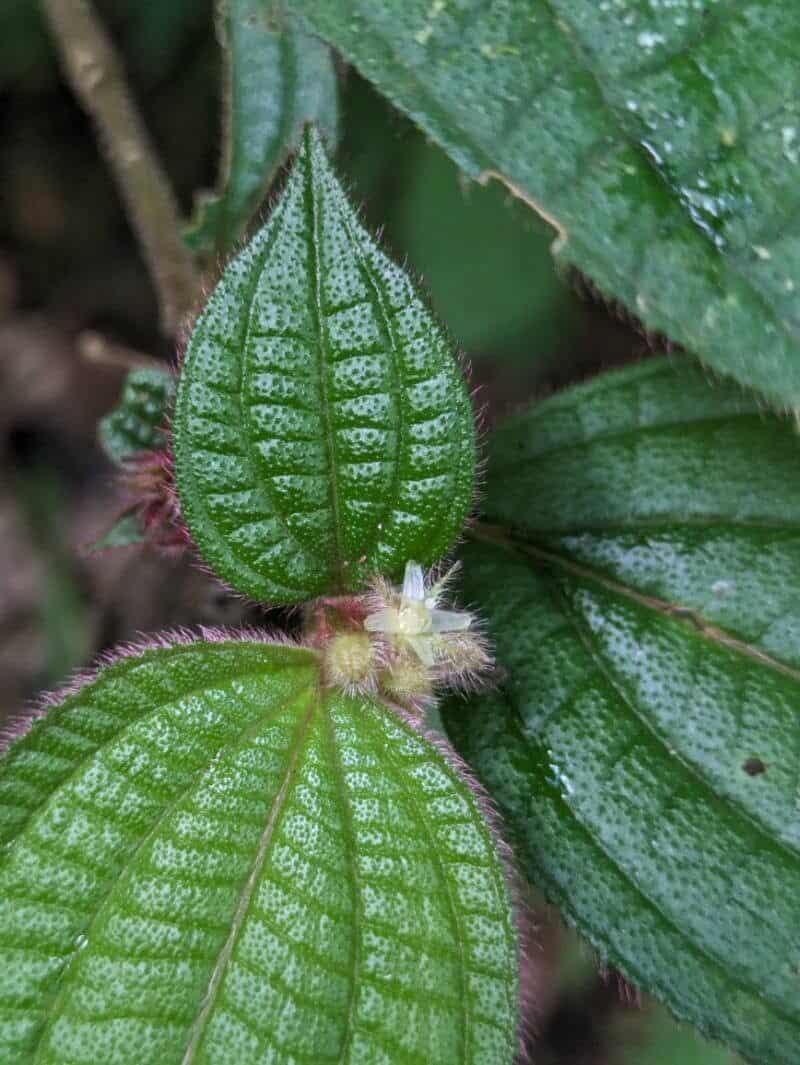
Unlocking the Secrets of Miconia cephaloides Propagation: A Guide to Growing This Tropical Beauty
The Miconia cephaloides, with its vibrant foliage and captivating blooms, is a true showstopper in any plant enthusiast’s collection. This tropical gem, native to Central and South America, is prized for its large, velvety leaves that transition through stunning shades of pink, red, and green as they mature. But bringing this exotic beauty into your home requires some understanding of its propagation methods.
While it can seem daunting, propagating Miconia cephaloides is surprisingly achievable, even for beginner gardeners. Let’s explore the two most effective methods:
1. Stem Cuttings: The Go-to Method for Success
Stem cutting is the most popular and reliable way to propagate this striking plant. Here’s a step-by-step guide:
- Timing: Spring and early summer are ideal for taking cuttings, as the plant is actively growing.
- Preparation: You’ll need a sharp, sterilized pruning shears or knife, a small pot (around 4 inches), well-draining potting mix, and rooting hormone (optional, but recommended for quicker results).
- Taking the Cutting:
- Select a healthy, non-flowering stem.
- Cut a 4-6 inch section just below a leaf node (the point where a leaf emerges from the stem).
- Remove the lower leaves, leaving 2-3 leaves at the top.
- Planting:
- Dip the cut end in rooting hormone (if using).
- Make a small hole in the potting mix and gently insert the cutting.
- Firm the soil around the cutting and water thoroughly.
- Care:
- Place the pot in a warm, brightly lit location, out of direct sunlight.
- Maintain humidity by covering the pot with a plastic bag or humidity dome.
- Water sparingly, keeping the soil lightly moist but not soggy.
- Rooting: Roots should develop in 4-6 weeks. Gently tug on the cutting to check for resistance, indicating successful rooting.
2. Seeds: A More Challenging Approach
While propagation from seed is possible, it can be a more time-consuming and less reliable option for Miconia cephaloides. If you’re up for the challenge, here’s what to do:
- Seed Collection: Collect seeds from ripe berries, which turn a deep purple when mature.
- Sowing: Sow seeds in a well-draining seed starting mix, lightly pressing them into the surface.
- Environment: Provide warmth, humidity, and bright, indirect light. A heat mat and humidity dome can be beneficial.
- Germination: Germination can take several weeks to months. Be patient and maintain consistent moisture.
Tips for Success:
- Choose the right soil: A well-draining potting mix, rich in organic matter, is crucial for both cuttings and seedlings.
- Provide adequate humidity: Mimic the plant’s natural tropical environment by misting regularly or using a humidity tray.
- Be patient: Propagation takes time, so don’t get discouraged if you don’t see results immediately.
By following these guidelines, you can increase your chances of successfully propagating this stunning tropical plant and enjoy its captivating beauty in your own home! Remember, patience and consistent care are key. Happy propagating!