
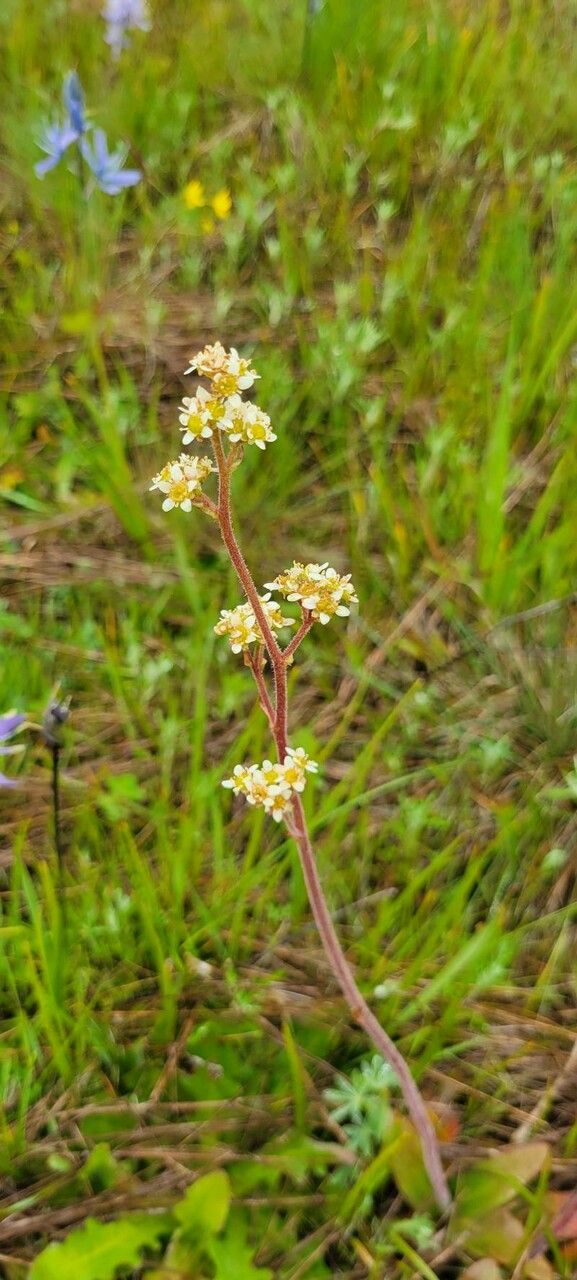
Unearthing the Secrets to Multiplying Your Micranthes integrifolia: A Propagation Guide
Micranthes integrifolia, also known as the whole-leaf saxifrage, is a delight for any rock garden or alpine enthusiast. Its charming rosettes of fleshy leaves and delicate white flowers add a touch of wild beauty to any space. But did you know that these alpine gems are surprisingly easy to propagate?
Whether you’re looking to expand your collection, share the joy with a fellow gardener, or simply give your existing plants a new lease on life, this guide will equip you with the knowledge to propagate Micranthes integrifolia successfully.
Two Paths to Propagation: Seeds vs. Divisions
Micranthes integrifolia can be propagated through two main methods: seeds and divisions. Each approach has its own advantages and considerations:
1. Seed Propagation: A Journey of Patience and Reward
Propagating Micranthes integrifolia from seed is a rewarding experience that allows you to witness the plant’s entire life cycle. However, it requires patience as it takes longer to obtain mature plants compared to divisions.
Sowing the Seeds: Start seeds indoors during late winter or early spring. Use a well-draining seed starting mix and sprinkle the seeds on the surface, barely covering them. Keep the soil consistently moist and provide bright, indirect light.
Germination Time: Micranthes integrifolia seeds typically take 2-4 weeks to germinate. Be patient and don’t be discouraged if they don’t sprout immediately.
- Transplanting Seedlings: Once the seedlings have developed a couple of true leaves, they can be carefully transplanted into individual pots or directly into the garden after the last frost.
2. Division: The Quick Route to New Plants
Dividing established Micranthes integrifolia clumps is the fastest and most straightforward propagation method, yielding mature plants ready to thrive.
When to Divide: Spring or early fall is the ideal time to divide your Micranthes integrifolia. Avoid dividing during the plant’s active growing season (summer).
The Division Process: Carefully dig up the entire plant and gently tease apart the rosettes, ensuring each division has a good root system attached. You can use your fingers or a clean, sharp knife to separate the sections.
- Replanting the Divisions: Replant the divisions at the same depth they were originally growing. Water them well and provide some shade during the initial settling-in period.
Tips for Propagation Success:
No matter which propagation method you choose, following these tips will increase your chances of success:
Well-draining Soil is Key: Micranthes integrifolia thrives in well-draining soil that mimics its natural alpine environment. A mixture of potting soil, perlite, and sand works well.
Light is Essential: While these plants tolerate some shade, they prefer bright, indirect light for optimal growth. Avoid direct sunlight, which can scorch the leaves.
Water Wisely: Maintain consistently moist soil, but avoid overwatering, which can lead to root rot. Allow the soil to dry slightly between waterings.
- Patience is a Virtue: Remember that propagation takes time. Be patient and provide consistent care to ensure your new Micranthes integrifolia plants thrive.
Propagating your own Micranthes integrifolia is a rewarding experience that allows you to connect with the plant on a deeper level. By following these guidelines and embracing a little patience, you’ll soon be rewarded with an abundance of these charming alpine beauties gracing your garden.