
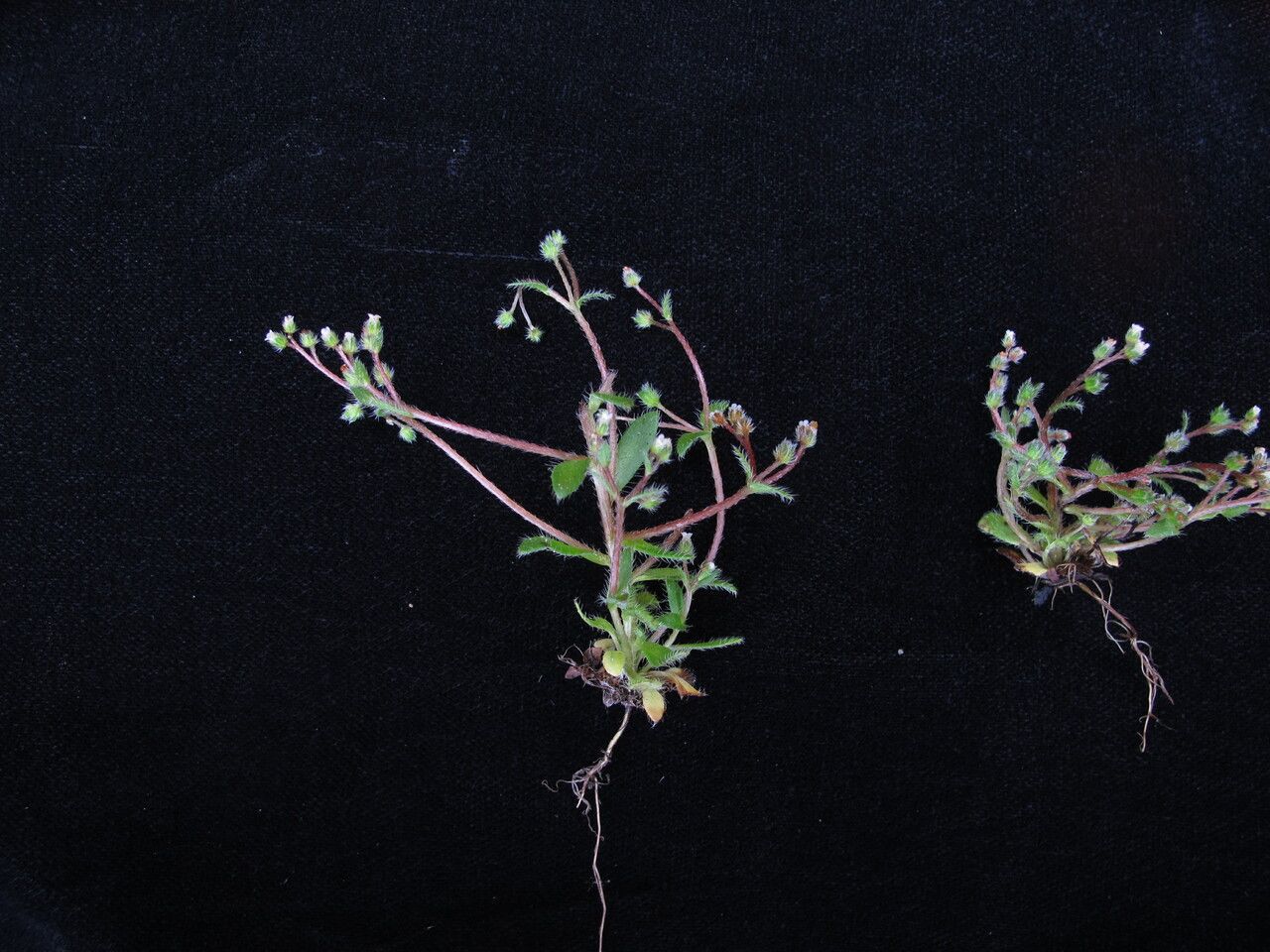
Tiny Plant, Big Rewards: Unlocking the Secrets of Propagating Microcaryum pygmaeum
The world of alpine plants is filled with captivating wonders, and Microcaryum pygmaeum, also known as the Pygmy Forget-me-not, is no exception. This charming miniature, hailing from the high mountains of Europe and Asia, enchants with its petite stature and delicate blue blossoms. While cultivating such specialized plants might seem daunting, propagating Microcaryum pygmaeum at home is achievable with the right knowledge and a dash of patience. Let’s delve into the secrets of multiplying this alpine treasure.
Two Paths to Pygmy Propagation:
1. Seed Starting: A Journey of Patience and Precision
- Seed Collection: If you’re fortunate enough to have a flowering Microcaryum pygmaeum, allow the seed pods to fully mature on the plant. These will turn brown and papery when ready. Collect the seeds and store them in a cool, dry place until sowing time.
- Sowing the Seeds: Begin the process in late winter or early spring. Use a well-draining seed starting mix designed for alpine plants. Sprinkle the tiny seeds on the surface and lightly press them in, but don’t bury them. They need light to germinate.
- Creating the Right Environment: Moisture, light, and temperature are crucial for germination. Mist the soil surface regularly to keep it consistently damp, but not waterlogged. Place the seed tray in a bright location, out of direct sunlight. A temperature range of 55-65°F (13-18°C) is ideal.
- Germination Time: Be patient! Microcaryum pygmaeum seeds can take several weeks to months to germinate.
- Pricking Out and Potting On: Once seedlings have developed a couple of true leaves, carefully prick them out and transplant them into individual pots filled with a well-draining alpine mix.
2. Division: Multiplying Your Miniature Marvels
- Timing is Key: Early spring, just as new growth begins, is the optimal time to divide Microcaryum pygmaeum.
- Gentle Separation: Carefully lift the plant from its pot, gently loosen the soil around the roots, and identify natural divisions within the clump.
- Division Technique: Using clean, sharp scissors or a knife, carefully separate the divisions, ensuring each section has a good portion of roots and shoots.
- Repotting: Plant the divisions into separate pots filled with a well-draining alpine mix. Water them in well and provide gentle care as they establish themselves.
Essential Care for Thriving Pygmy Plants:
- Well-Draining Soil: Microcaryum pygmaeum thrives in gritty, well-draining soil that mimics its mountainous origins. A specialized alpine plant mix or a blend of potting soil, perlite, and sand is ideal.
- Watering Wisely: While this miniature marvel enjoys consistently moist soil, it abhors waterlogging. Water when the top inch of soil feels dry, allowing excess water to drain away freely.
- Light Requirements: Place your Microcaryum pygmaeum in a bright location with some protection from intense afternoon sunlight.
- Temperature Considerations: Aim to replicate their natural cool-growing conditions. They thrive in temperatures around 50-65°F (10-18°C).
Propagating Microcaryum pygmaeum might require a bit of finesse and a lot of love, but the rewards are well worth the effort. With a keen eye for detail and the right techniques, you can cultivate a collection of these captivating alpine gems, bringing a touch of the high mountains into your own home.