
Unlocking the Secrets of Micromeria herpyllomorpha: A Propagation Guide
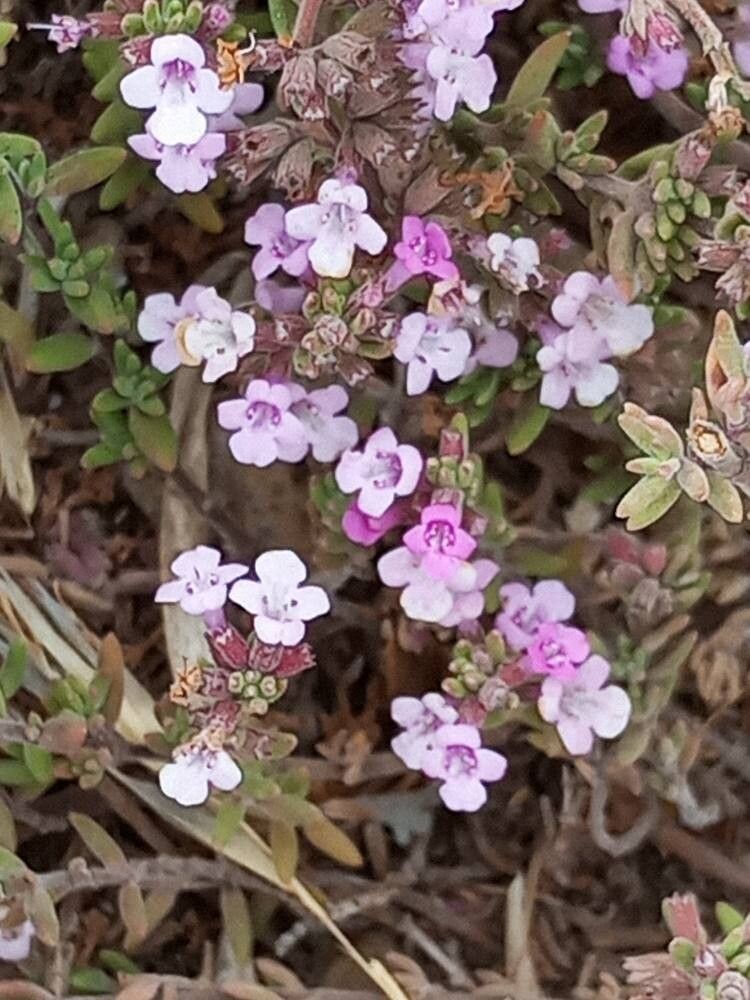
Micromeria herpyllomorpha, a mouthful of a name for a truly delightful plant! Native to the Mediterranean, this semi-evergreen subshrub charms with its delicate, aromatic foliage and delicate pink to purple flowers. If you’re looking to invite this beauty into your garden, you’re in luck! While not as commonly sold in garden centers, this resilient plant can be propagated relatively easily at home. Let’s explore the methods:
1. Seed Starting:
- When to sow: Spring is ideal, offering the warmth and daylight hours needed for germination.
- Sowing the seeds: Use a well-draining seed starting mix and sprinkle the tiny seeds on the surface, barely pressing them in.
- Keep it bright and consistently moist: A sunny windowsill or grow lights will provide the necessary light.
- Patience is key: Germination can take a few weeks. Once seedlings have a couple of sets of true leaves, they can be carefully transplanted into individual pots.
2. Taking Cuttings:
- Timing is everything: Late spring or early summer, when the plant is actively growing, is the best time to take cuttings.
- Choose wisely: Select healthy, non-flowering stems about 3-4 inches long.
- Prepare the cutting: Remove the lower leaves, leaving a few at the top. Dipping the cut end in rooting hormone powder can encourage faster root development.
- Potting Up: Plant the cuttings in a mix of perlite and peat moss or seed starting mix, ensuring good drainage. Keep the soil consistently moist.
- Encourage rooting: Cover the pot with a plastic bag or use a propagation dome to create a humid environment. Place it in indirect sunlight.
- Signs of success: You’ll know roots have formed when you see new growth on the cuttings. This usually takes a few weeks.
General Tips for Success:
- Well-Drained Soil: Micromeria herpyllomorpha thrives in well-drained soil. A mixture of potting soil, perlite, and sand is a good option.
- Sunlight Lovers: Place your plants in a location that receives at least six hours of sunlight per day.
- Water Wisely: Water deeply but infrequently, allowing the soil to dry out slightly between waterings. Overwatering can lead to root rot.
- Pinch Back for Bushiness: Regularly pinching back the tips of new growth will encourage a bushier, more compact plant.
- Overwintering: Depending on your climate, you may need to protect your Micromeria herpyllomorpha from frost. Consider bringing potted plants indoors or providing winter protection with mulch.
Propagating your own Micromeria herpyllomorpha is a rewarding experience that allows you to expand your garden with minimal cost and enjoy the unique satisfaction of nurturing plants from their earliest stages. With a little patience and these helpful tips, you can soon have a flourishing display of this enchanting Mediterranean herb gracing your outdoor space.