
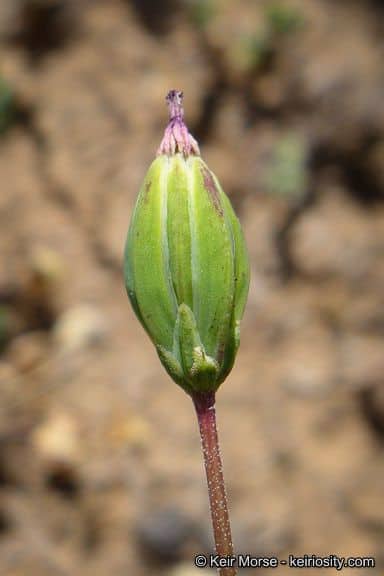
Taming the Wild: How to Propagate the Charming Microseris douglasii
The world of botany is overflowing with fascinating specimens, and the "Microseris douglasii," also known as Douglas’ microseris, is no exception. This unassuming plant, with its cheerful yellow blossoms resembling miniature dandelions, is native to western North America and holds a unique allure for wildflower enthusiasts and curious gardeners alike.
While often found gracing meadows and open woodlands, cultivating Microseris douglasii in your backyard is a rewarding endeavor. Let’s delve into the art of propagating this charming wildflower and unlock the secrets to its successful cultivation.
Seed Starting: Embracing the Cycle of Life
Microseris douglasii primarily reproduces through seeds, offering a straightforward method of propagation. Follow these steps for successful seed starting:
Seed Collection: During late spring or early summer, keep an eye out for the plant’s distinctive seed heads, resembling fluffy white puffballs. Carefully collect them once they appear dry and easily disperse seeds with a gentle breeze.
Seed Preparation (Optional): While not mandatory, cold stratification can improve germination rates. This involves mimicking winter conditions by storing the seeds in a moist paper towel inside a sealed plastic bag in the refrigerator for 4-6 weeks.
Sowing: In spring or fall, sow the seeds directly outdoors or in seed trays filled with well-draining potting mix. Sprinkle the seeds on the surface and lightly press them down, ensuring good contact with the soil.
- Watering and Care: Keep the soil consistently moist but not waterlogged. Within 2-4 weeks, you should see tiny seedlings emerge. Thin out any overcrowded seedlings to provide adequate space for growth.
Transplanting: Giving Your Seedlings a Strong Start
Timing is Key: Once your seedlings have developed a couple of sets of true leaves, they are ready for transplanting. For outdoor sowing, aim for late spring when the danger of frost has passed.
Choosing the Right Spot: Microseris douglasii thrives in sunny to partially shaded locations with well-drained soil. Choose a spot that mimics their natural habitat.
Handling with Care: Gently lift the seedlings from their containers, taking care not to damage the delicate roots. Plant them at the same depth they were growing in the seedling trays.
- Nurturing Growth: Water your newly transplanted seedlings regularly, especially during dry periods. Applying a thin layer of organic mulch can help retain moisture and suppress weed growth.
Beyond Seed Starting: Exploring Other Avenues
While less common, Microseris douglasii can also be propagated through root cuttings. This method involves taking sections of healthy roots and planting them in a suitable growing medium. However, seed starting remains the most accessible and reliable method, especially for beginners.
Enjoying the Fruits of Your Labor
With proper care and attention, your Microseris douglasii plants will reward you with their delightful yellow blooms, attracting pollinators to your garden and infusing your outdoor space with a touch of wild beauty. As the seasons change, witness the fascinating life cycle unfold, from the cheerful blossoms to the iconic fluffy seed heads, ready to embark on a new generation.
Propagating Microseris douglasii is a rewarding experience that brings you closer to nature and provides a sense of accomplishment in fostering its growth. So why wait? Embrace the joy of nurturing this charming wildflower and witness its beauty firsthand!