
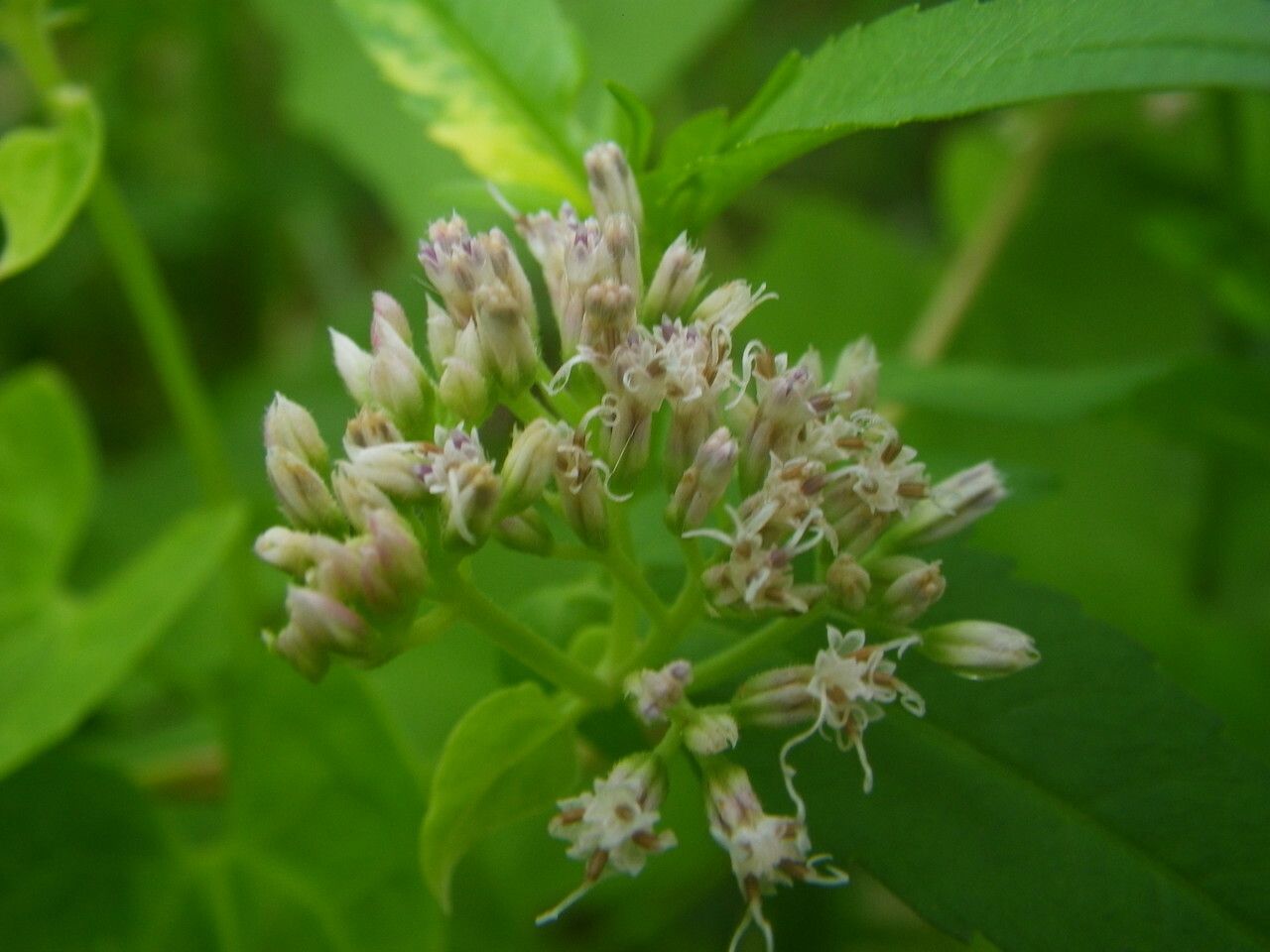
From Tiny Cuttings to a Lush Garden: How to Propagate the Climbing Hemp Vine (Mikania scandens)
The Climbing Hemp Vine, or Mikania scandens, is a fast-growing, vigorous climber that can add a touch of tropical charm to any garden. But its rapid growth can also be a double-edged sword. While it’s ideal for covering unsightly areas or creating a lush green wall quickly, it can also be invasive if not carefully controlled.
This makes understanding how to propagate Mikania scandens essential, especially for gardeners who want to enjoy its beauty without it taking over their garden. This blog post will delve into the simple and effective methods of propagating this fascinating vine, empowering you to grow your own lush green haven.
The Power of Stem Cuttings:
The most popular and widely used method for propagating Mikania scandens is through stem cuttings. This method is surprisingly simple:
- Select healthy stems: During the growing season, prune or remove stems that are too long or growing in unwanted directions. Choose stems that are about 6-8 inches long, with several nodes (the points where leaves grow).
- Trim and prepare: Cut each stem just below a node, using sharp pruning shears. Removing the lower leaves will expose the nodes allowing them to root more effectively.
- Rooting medium: Fill small pots with a moist, freely draining potting mix. Perlite or vermiculite are excellent additions to improve drainage and aeration.
- Planting: Gently insert the prepared cuttings into the potting mix, ensuring at least one node is buried under the soil.
- Moisture and light: Water the cuttings thoroughly and place the pots in a warm, bright location, but avoid direct sunlight. Humidity can greatly benefit root development. Cover each pot with a clear plastic bag or dome to create a humid environment.
- Patience: Mikania scandens readily roots within several weeks. However, regular watering and monitoring are crucial. Avoid overwatering as it can lead to root rot.
- Transplanting: Once the cuttings have developed strong roots and new growth, they are ready to be transplanted into larger containers or directly into the garden.
Tips for Success:
- Timing matters: Spring and summer are ideal times for propagation as the plant is actively growing.
- Use rooting hormone: For faster and improved rooting success, dip the cut ends of the stems in rooting hormone before planting.
- Maintain humidity: Humidity is absolutely essential for successful rooting. A humidity dome or misting the cuttings regularly are great options.
- Avoid overwatering: Keep the soil consistently moist, but do not let it become waterlogged.
Beyond Stem Cuttings:
While stem cuttings are the most common method, Mikania scandens can also be propagated by:
- Seed propagation: While less efficient, collecting ripe seeds from the plant and sowing them in the spring is a viable option. Seeds can be sown directly into the garden or in seed trays.
- Layering: Layering is another technique where a stem is bent and buried under the soil. When roots develop on the buried stem, the new plant can be separated.
Controlling the Vine’s Growth:
While beautiful, it’s important to remember Mikania scandens can be invasive. Therefore, regular trimming and pruning are crucial to maintain its desired shape and size.
- Early intervention: Regularly prune or remove the stems to control its spread.
- Support structures: Provide trellises, fences, or other supporting structures to direct the vine’s growth.
- Choose carefully: Consider the vine’s potential for invasiveness when choosing a planting location, especially in close proximity to valuable plants.
By understanding the basics of propagating Mikania scandens, you can easily create a lush, vibrant green haven, whether it’s a climbing wall in your backyard or a thriving trailing plant in your balcony. Remember, with a little knowledge and care, this fast-growing vine can be a rewarding addition to any garden. Just don’t forget to keep an eye on its growth to ensure it remains a delightful, not dominant, element your garden.