
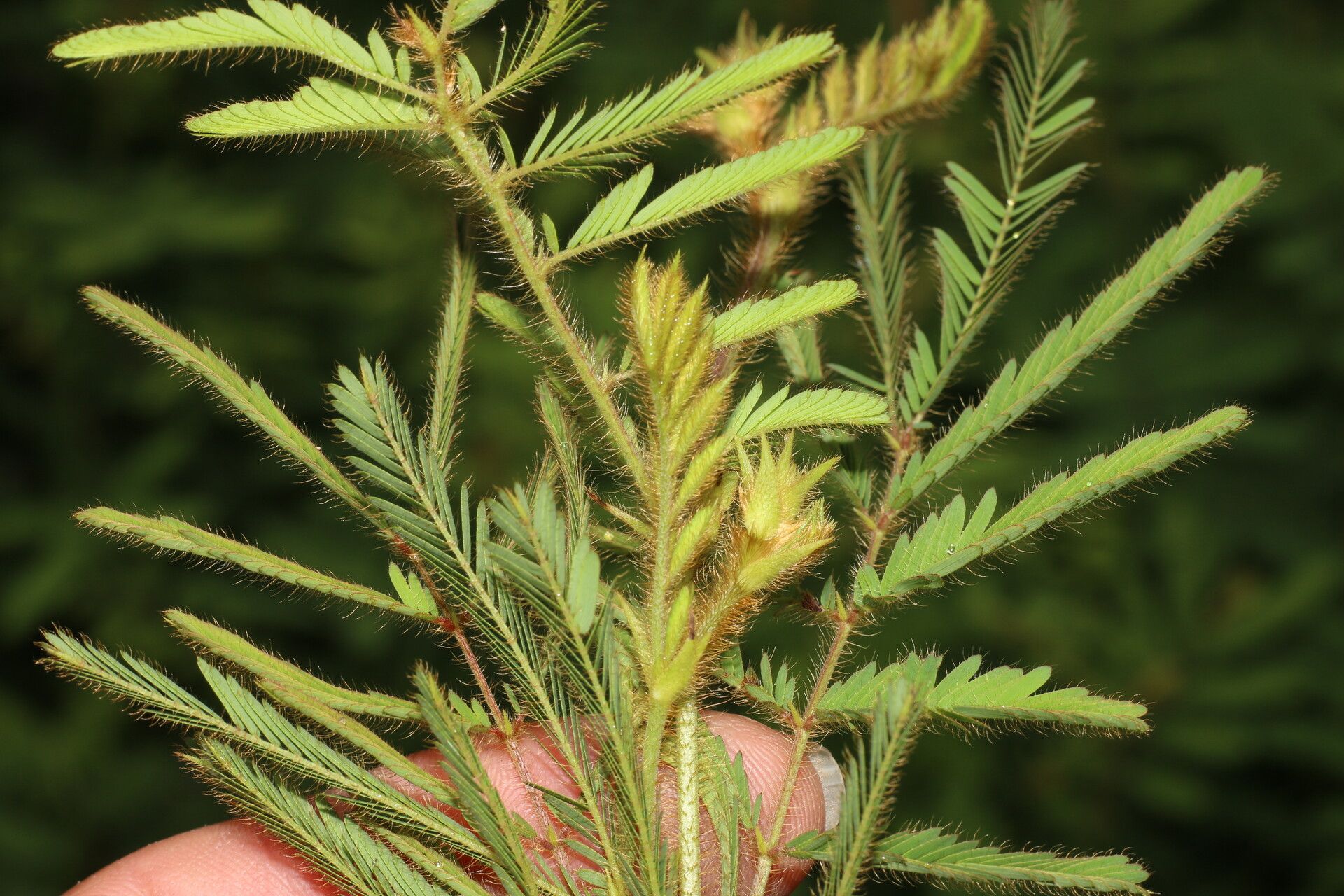
Waking Up the Prairie: Propagating the Sensitive Prairie Mimosa
The Sensitive Prairie Mimosa, scientifically known as Mimosa camporum, is a fascinating plant with delicate, fern-like foliage and captivating, powder-puff blooms. Native to the prairies and grasslands of North America, this perennial adds a touch of whimsy and delicate beauty to any garden. But don’t let its delicate appearance fool you, the Mimosa camporum is surprisingly resilient and easy to propagate, allowing even novice gardeners to welcome this prairie treasure into their landscapes.
Two Paths to Prairie Beauty: Seeds vs. Cuttings
There are two primary methods for propagating Mimosa camporum: seeds and cuttings. Each offers its own set of advantages, and the best choice for you depends on your resources and desired timeline.
1. Seeding the Future: Propagating from Seed
Mimosa camporum produces small, brown seed pods that contain the key to a new generation of plants. While these seeds can be directly sown into the garden after the last frost, starting them indoors provides a head start and increases your chances of success. Here’s how:
Step 1: Scarification – Gently Cracking the Code
Prairie Mimosa seeds possess a hard outer coating that requires scarification to promote successful germination. This simply means giving them a little help breaking out of their shell. You can achieve this by gently rubbing the seeds between two pieces of sandpaper or nicking them with a nail clipper.
Step 2: The Soak – A Pre-Germination Spa Treatment
After scarification, soak the seeds in warm water for 12-24 hours. This allows the seeds to absorb moisture and jumpstarts the germination process.
Step 3: Sowing the Seeds – Planting Dreams
Plant the soaked seeds in seed-starting mix, covering them lightly with soil. Mist the soil with water and keep it consistently moist but not waterlogged.
Step 4: Patience and Light – Nurturing New Life
Place the seed trays in a warm, well-lit location, out of direct sunlight. Germination typically takes 1-3 weeks. Once the seedlings have developed a couple of sets of true leaves, they can be transplanted into individual pots or directly into the garden after the last frost.
2. Branching Out: Propagation from Cuttings
For those seeking quicker results or looking to replicate the characteristics of a specific plant, propagation from cuttings is an excellent alternative.
Step 1: Selecting the Right Cuttings – Choosing Wisely
Choose healthy, non-flowering stems from a mature Mimosa camporum plant. Ideally, select stems that are about 4-6 inches long and show vigorous growth.
Step 2: Preparing the Cuttings – A Clean Start
Using clean, sharp pruning shears, make a diagonal cut just below a leaf node. Remove the leaves from the lower two-thirds of the stem.
Step 3: Encouraging Root Development – A Hormonal Boost
Dip the cut end of the stem in rooting hormone powder to encourage faster and more successful root development.
Step 4: Planting the Cuttings – A New Home for Growth
Insert the treated ends of the cuttings into a well-draining potting mix, burying the bottom node. Gently firm the soil around the cuttings.
Step 5: Creating a Humid Environment – A Cozy Cocoon
Cover the cuttings with a plastic bag or humidity dome to maintain a warm and humid environment essential for root development. Place the cuttings in a well-lit location, but avoid direct sunlight.
Step 6: The Waiting Game – Patience is Key
Keep the soil consistently moist and monitor the cuttings for root development, which usually takes 4-6 weeks. Once rooted, the new plants can be gradually hardened off and eventually transplanted into individual pots or the garden.
Welcoming the Prairie Mimosa to your Garden
Propagating Mimosa camporum is a rewarding experience that connects you to the natural world while allowing you to cultivate these enchanting plants in your own backyard. Whether you choose the patience of seeds or the speed of cuttings, the process is a delightful journey culminating in the delicate beauty of the Sensitive Prairie Mimosa gracing your garden.