
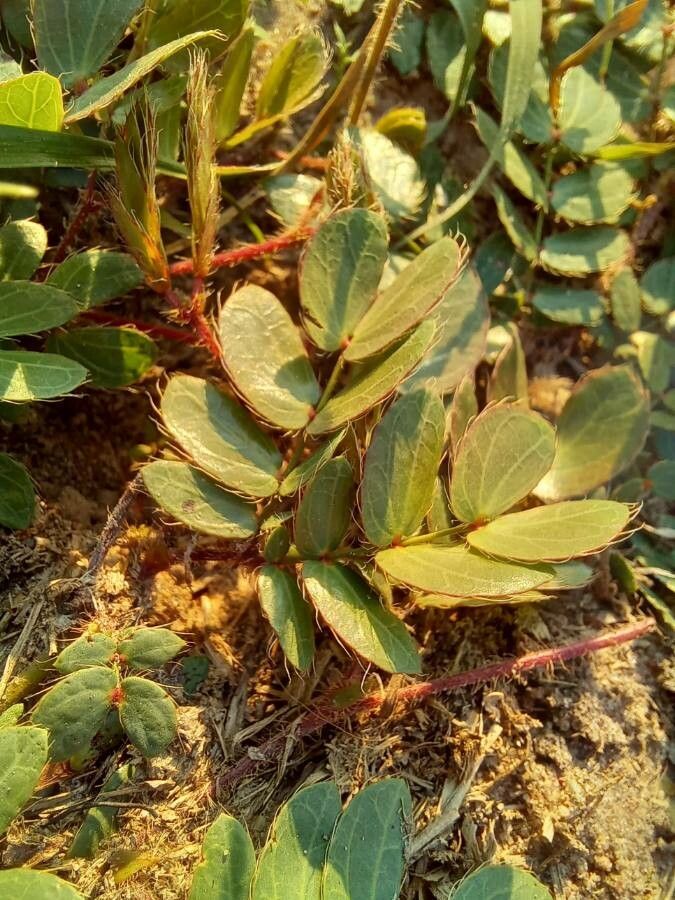
Unlocking the Secrets of Mimosa Flagellaris: A Guide to Successful Propagation
The Mimosa flagellaris, with its delicate fern-like leaves and captivatingly sensitive foliage, is a truly enchanting plant. Its graceful, weeping habit and charming pink blooms make it a popular choice for gardens and homes alike. But what if you could share this enchanting beauty with others?
Propagation is the key to unlocking the potential of your Mimosa flagellaris and creating a whole new generation of these delightful plants. This guide will explore the various methods of propagation – from simple cuttings to the thrill of growing from seed – empowering you to cultivate your own Mimosa flagellaris haven.
Taking Cuttings: A Speedy and Reliable Choice
The most popular method of propagation for M. flagellaris is through stem cuttings. This technique is both quick and effective, ensuring a successful outcome with a little care.
- Timing is Key: The ideal time to take cuttings is during the spring or summer when the plant is actively growing.
- Selection and Preparation: Choose healthy, vigorous stems with several nodes. Cut them with a sharp, sterile knife or shears at roughly 45-degree angle just below a node. Remove the leaves from the bottom two inches of the stem.
- Rooting Hormone (Optional): Enhance rooting success by applying a root stimulating hormone powder or gel to the cut ends.
- The Right Environment: Plant the cuttings in a moist, well-draining rooting medium like a mixture of peat moss and perlite. Place them in a bright, indirect light area and cover them with a clear plastic bag or dome to create a mini-greenhouse effect.
- Patience and Care: Keep the rooting medium consistently moist, but not soggy. Within a few weeks, you should see new growth, indicating successful rooting. Once established, you can gradually introduce your new plants to their permanent homes.
Growing from Seed: A New Adventure
While more time-consuming, growing Mimosa flagellaris from seed offers a unique and rewarding experience.
- Collecting Seeds: Gather seeds from mature seed pods.
- Pre-Treatment: Seed germination can be improved by scarification (nicking or abrasion) or chilling (placing the seeds in a refrigerator for 30 days).
- Sowing Technique: Sow seeds in a seed tray filled with a light and airy potting mix. Keep the soil consistently moist and place the tray in a warm, sunny location.
- Germination Time: Germination typically takes 2 – 4 weeks.
- Care and Transplanting: Once seedlings have developed a few true leaves, they can be transplanted into individual pots. Continue to provide ample sunlight and moisture as they grow.
Additional Tips for Success:
- Choose the right pot: Select a pot that is slightly larger than the root ball.
- Ensure adequate drainage: Mimosa flagellaris do not tolerate soggy soil.
- Water consistently but not excessively: Allow the soil to dry slightly between waterings.
- Light is key: Mimosa flagellaris thrive in bright, indirect light.
- Fertilize regularly: Use a balanced, water-soluble fertilizer during the growing season.
Sharing the Beauty:
Propagation is a rewarding experience that allows you to extend the beauty and joy of Mimosa flagellaris to others. By sharing your newly grown plants with friends, neighbors, or even donating to local organizations, you can contribute to spreading beauty and green spaces in your community.
Whether you choose to propagate through cuttings or seed, remember that patience and understanding are key to success. With careful attention and a bit of green thumb magic, you can unlock the secrets of Mimosa flagellaris and enjoy the beauty of these delicate plants for years to come.