
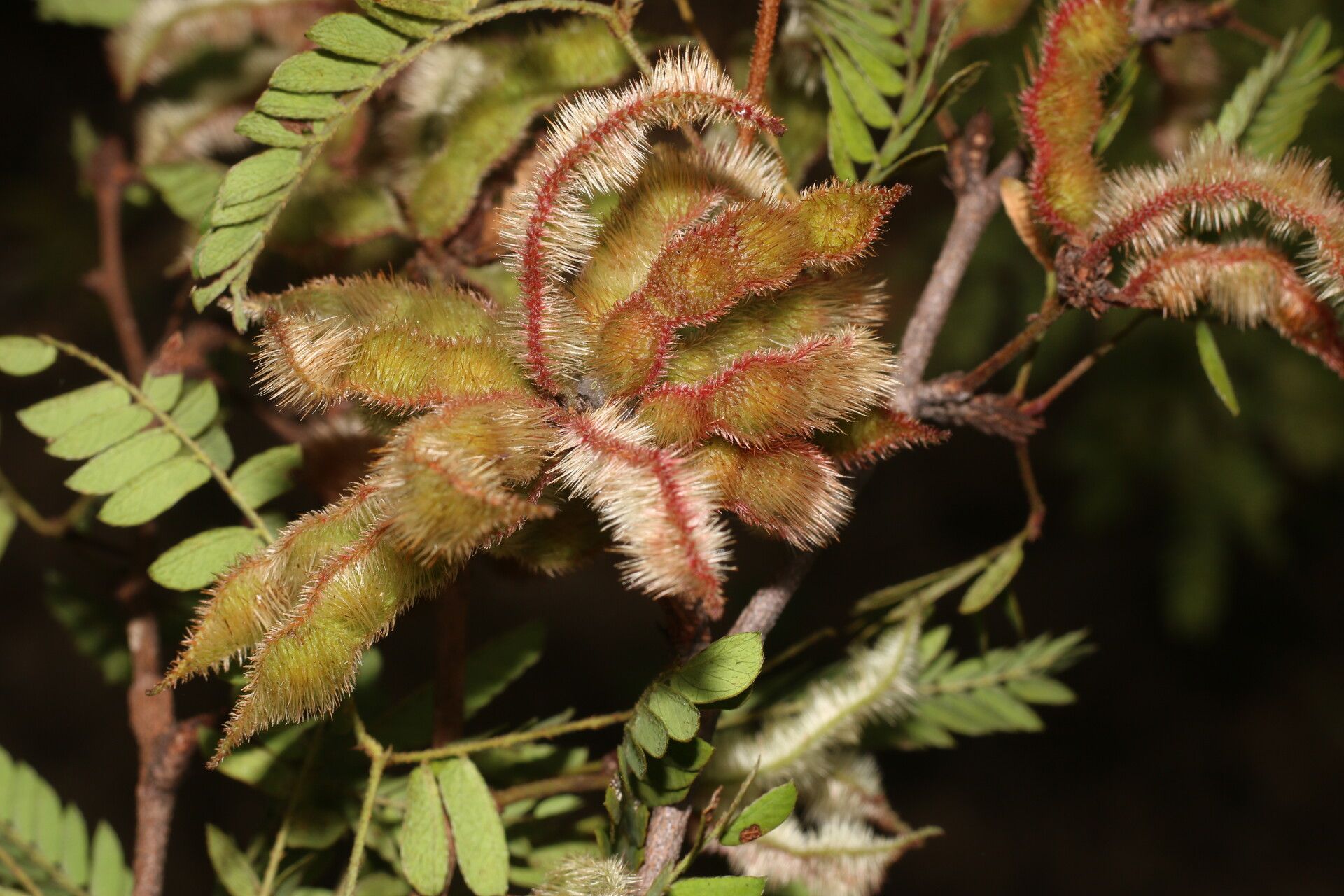
Grow Your Own “Dancing Plant”: Mimosa tricephala Propagation Guide
Ever wished your home held a touch of the tropics? Mimosa tricephala, fondly dubbed the “Dancing Plant” for its playful, sensitive leaves, is just the ticket. But where to start? Propagation is the key to expanding your green haven and sharing the joy of this fascinating species.
Why Propagate Mimosa tricephala?
Firstly, propagation is a fun and rewarding way to cultivate your own plants. Nothing beats watching a tiny cutting transform into a thriving specimen. Secondly, it’s cost-effective! Instead of shelling out for new plants, you can readily multiply your collection. And lastly, propagation allows you to share the beauty of Mimosa tricephala with others.
Your Propagation Toolkit
To embark on your Mimosa tricephala propagation journey, you’ll need a few essentials:
- Sharp, clean knife or scissors: This is crucial for making precise cuts without damaging the plant.
- Rooting hormone: This isn’t mandatory, but it greatly increases your chances of success, especially for semi-hardwood cuttings.
- Potting mix: Choose a well-draining mix specifically designed for seedlings or cuttings.
- Small pots or trays: Ensure these have drainage holes to prevent overwatering.
- Clear plastic wrap or humidity dome: This helps maintain a moist environment for the cuttings.
Method 1: Seed Propagation
If you’re lucky enough to find Mimosa tricephala seeds, propagation is simple:
- Prepare the seeds: Soak them in warm water overnight to soften the outer shell.
- Planting: Fill small pots with potting mix, creating shallow depressions for the seeds. Place one seed in each depression, gently covering with soil.
- Water: Water thoroughly, ensuring the soil is moist but not soggy.
- Light and warmth: Place the pots in a bright, warm location (around 75°F), out of direct sunlight. Maintain consistent moisture.
- Germination: With proper care, germination should occur within 1-3 weeks.
Method 2: Cuttings
For a quicker approach, opt for cuttings:
- Timing is everything: The best time to take cuttings is during the spring or early summer when growth is vigorous.
- Select the right cutting: Choose a healthy, non-flowering stem with at least 3-4 nodes (swellings where leaves emerge).
- Cut with care: Make a clean, angled cut just below the node. Remove any lower leaves that will be submerged in the soil.
- Dip in rooting hormone: (Optional).
- Planting: Fill small pots or trays with moist potting mix. Insert the cutting into the soil, ensuring that the lowest node sits slightly below the soil surface.
- Humidity magic: Create a mini-greenhouse by covering the pot with clear plastic wrap or a humidity dome to retain moisture.
- Location, location, location: Place the pot in a bright, warm location, out of direct sunlight.
- Patience is key: Keep the soil consistently moist, avoid direct sunlight, and within 4-6 weeks, you should start to see signs of rooting.
Tips for Success:
- Water wisely: Avoid overwatering, which can lead to root rot. Only water when the soil feels dry to the touch.
- Light is crucial: Mimosa tricephala loves bright, indirect light. A south-facing window is ideal.
- Provide support: As the young plant grows, support it with a small stake or trellis.
- Patience is key: Remember that even with proper care, propagation takes time. Don’t get discouraged if you don’t see results immediately.
Propagating Mimosa tricephala is a rewarding experience that allows you to enjoy the magic of this unique plant. Whether you choose seeds or cuttings, remember the basics: healthy cuttings, a well-prepared environment, and consistent attention. Soon, you’ll be welcoming a new generation of “Dancing Plants” to your home!