
Taming the Woolly Starwort: A Guide to Propagating Minuartia lanuginosa
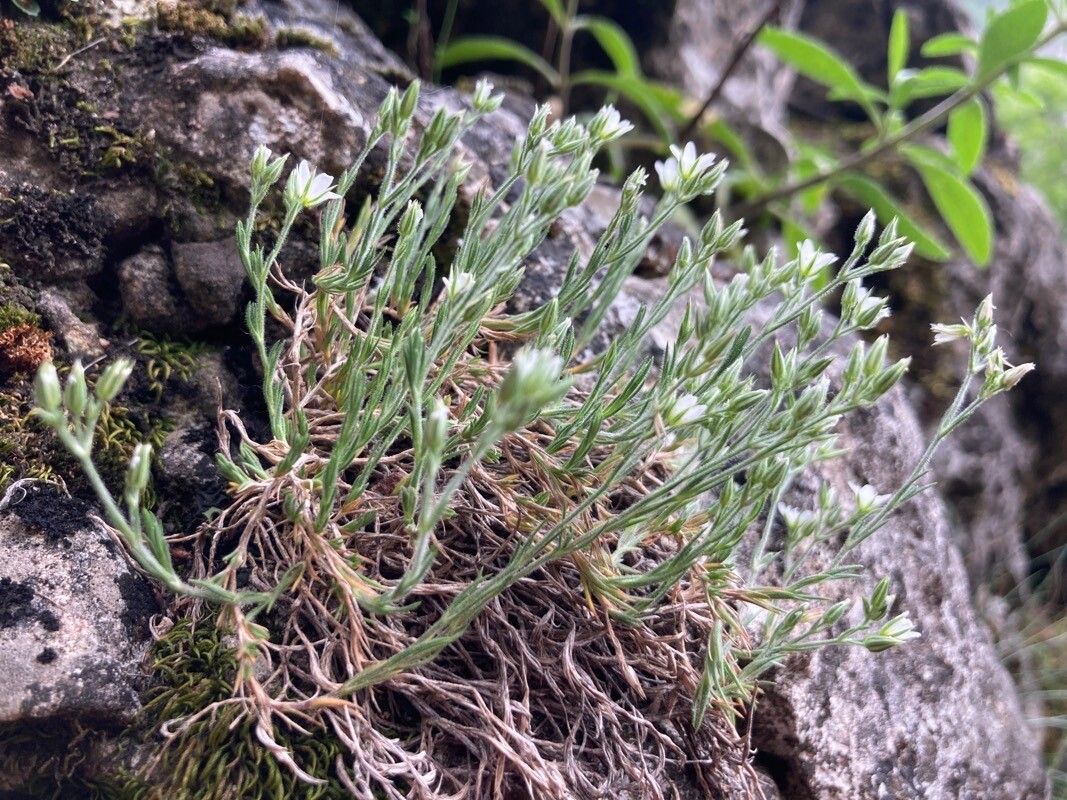
The Minuartia lanuginosa, fondly known as the Woolly Starwort, is a charming alpine plant with a deceptive name. Don’t let the “woolly” part fool you—this plant is a delicate beauty, boasting tiny, star-shaped white flowers that emerge against a backdrop of silvery-green, needle-like foliage. Native to the rocky, mountainous regions of Europe, cultivating this alpine gem might seem daunting. But fear not! This guide will take you step-by-step through the process of propagating Minuartia lanuginosa, allowing you to invite this charming plant into your own garden.
Method 1: Seed Propagation – Embracing the Patience Game
Propagating Woolly Starwort from seed is a rewarding, albeit slow, process:
- Timing is Key: Aim to sow your seeds in the late winter or early spring (February-March).
- Prepping the Seedbed: Use a well-draining seed starting mix and moisten it evenly.
- Sowing with a Gentle Touch: Sprinkle the tiny seeds over the surface, barely pressing them in. Remember, these seeds need light to germinate.
- Patience is a Virtue: Cover the container with a clear lid or plastic wrap to retain moisture and place it in a bright location, out of direct sunlight. Germination can take anywhere from a few weeks to a couple of months.
- Thinning Out the Crowd: Once the seedlings have a couple of sets of true leaves, thin them out to ensure adequate spacing for optimal growth.
- Gradually Acclimatize: Once the danger of frost has passed, slowly acclimatize the seedlings to outdoor conditions over a week or two before transplanting them to their permanent home in the garden.
Method 2: Cuttings – A Faster Route to Success
Taking cuttings offers a quicker propagation method:
- The Right Time & Material: The ideal time for taking cuttings is in late spring or early summer when the plant is actively growing. Select healthy, non-flowering stems about 3-4 inches long.
- Making a Clean Cut: Use a sharp, sterilized knife or pair of scissors to make a clean cut just below a leaf node.
- Hormone Boost: While not essential, dipping the cut end in rooting hormone can help encourage faster root development.
- Creating the Perfect Environment: Plant the cuttings in a well-draining potting mix, ensuring the bottom leaf nodes are buried. Water lightly and cover the pot with a clear plastic bag or humidity dome to create a mini-greenhouse effect.
- Monitoring & Maintenance: Place the pot in a bright location, out of direct sunlight. Keep the soil consistently moist but not waterlogged.
- Transplant Time: Once the cuttings show signs of new growth and have developed a robust root system (usually after 4-6 weeks), you can transplant them to their permanent location in your garden.
Thriving in its New Home:
Woolly Starwort thrives in well-drained soil and prefers full sun to partial shade. Water regularly, especially during the hotter months, and fertilize sparingly. Once established, it’s a relatively low-maintenance plant that will reward you with its charming blooms year after year.
Propagating Minuartia lanuginosa might seem like a meticulous process, but the rewards are well worth the effort. So why not give it a try? With a little patience and care, you too can enjoy the delicate beauty of this alpine treasure.