
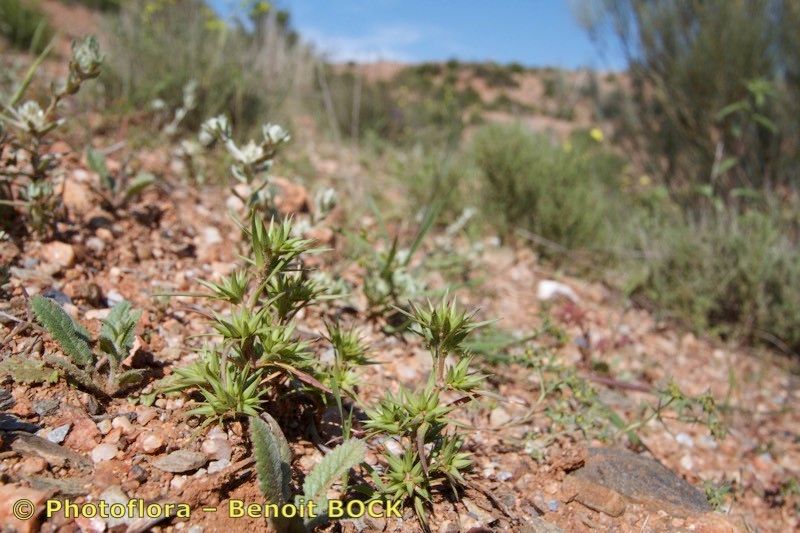
Growing More Mountain Jewels: A Guide to Propagating Minuartia montana
Minuartia montana, with its delicate white flowers and striking blue-green foliage, is a captivating addition to any rock garden or alpine landscape. But this charming plant can be a bit finicky to find in nurseries. Fear not, fellow green thumbs! Propagating Minuartia montana is achievable, even for novice gardeners. This comprehensive guide will walk you through the steps to successfully cultivate more of this mountain treasure.
Understanding the Basics
Minuartia montana is a perennial that thrives in well-drained, sandy, and slightly acidic soil. It prefers a sunny location with full sun exposure but can tolerate some light shade. This plant is naturally found in mountainous regions, so mimicking those conditions is key.
Methods of Propagation
There are two primary methods for propagating Minuartia montana:
1. Seed Propagation:
- Harvesting Seeds: Collect seeds from mature seed capsules. These capsules turn brown and dry as the seeds ripen.
- Sowing Seeds: Sow seeds in a seed tray filled with a well-draining seed starting mix. Gently press the seeds into the surface but don’t bury them completely.
- Conditions: Keep the seed tray moist and warm. These seeds require light to germinate, so avoid covering them with soil.
- Germination: Expect germination within 2-4 weeks.
2. Division:
- Timing: The best time to divide Minuartia montana is in early spring or fall.
- Process: Carefully separate the plant into smaller sections, ensuring each division has healthy roots and shoots.
- Planting: Plant each division in a well-prepared, well-drained location, spacing them according to their mature size.
Tips for Success
- Cold Stratification: Many Minuartia montana seeds benefit from a cold stratification period. This mimics the cold winter conditions they experience in their natural habitat. Place the seeds in a plastic bag filled with moistened vermiculite and refrigerate for 4-6 weeks before sowing.
- Patience: While Minuartia montana is a resilient plant, it can be slow to establish. Don’t be discouraged if new plants take a while to grow.
- Watering: Maintain consistent moisture, but avoid overwatering, as this can lead to root rot.
- Potting Mix: When growing Minuartia montana in pots, use a well-draining potting mix formulated for alpine plants.
- Fertilizer: Fertilize sparingly, as excessive nutrients can harm this sensitive plant.
Challenges to Consider
- Root Rot: Minuartia montana is susceptible to root rot in poorly drained soil. Ensure proper drainage and avoid overwatering.
- Slugs and Snails: These pests can devour precious seedlings. Use slug pellets or barriers to protect young plants.
- Disease: Anthracnose and powdery mildew are potential fungal diseases. Practising good hygiene and avoiding overwatering can help prevent these issues.
Reaping the Rewards
Propagating Minuartia montana is a rewarding experience that allows you to share this beautiful plant with fellow gardeners or enhance your own garden with more of its charm. The delicate white blooms and the striking blue-green foliage will add elegance and texture to your landscape, reminding you of the mountains where this plant thrives. With a little patience and care, you can enjoy the beauty of Minuartia montana for years to come.