
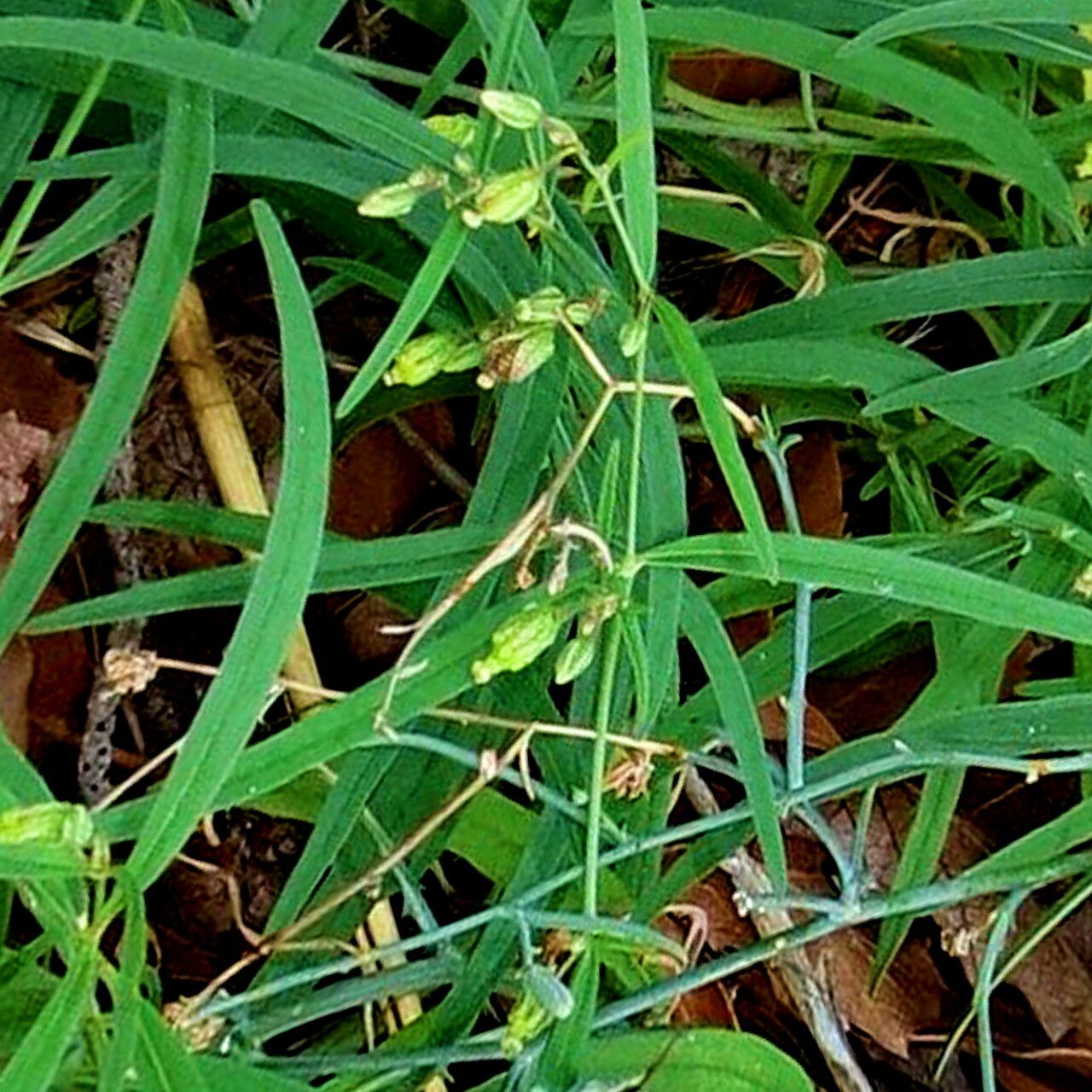
Propagating Mirabilis linearis: A Gardener’s Guide to the Slender Four O’Clock
Mirabilis linearis, commonly known as the slender four o’clock or narrowleaf four o’clock, is a charming and relatively uncommon flowering plant prized for its delicate, slender foliage and vibrant, often fragrant, evening blooms. Its unique, trumpet-shaped flowers, opening in the late afternoon and evening, add a touch of magic to any garden. Its popularity among gardeners stems from its relatively low maintenance needs once established, coupled with its attractive and unusual characteristics. However, propagating this beauty presents some unique challenges.
Seed Germination:
Currently, there are no known reliable methods for seed germination propagation of Mirabilis linearis. While Mirabilis species generally reproduce via seeds, the success rate with M. linearis seems to be extremely low, with anecdotal evidence suggesting very poor germination rates even under ideal conditions. Further research is needed to determine if specific pre-treatment techniques or environmental factors might improve seed viability.
Cuttings:
Cuttings represent a more viable method for propagating Mirabilis linearis.
Challenges: Rooting cuttings can be slow and requires a humid environment to prevent desiccation. Success hinges on selecting healthy, actively growing stems.
Practical Tips: Take semi-hardwood cuttings (partially mature stems) in late spring or early summer. Use a rooting hormone to improve success rates. Plant cuttings in a well-draining potting mix, maintaining high humidity using a propagator or plastic bag.
Rewards: Cuttings offer a relatively quick way to produce genetically identical plants, preserving desirable traits of a mother plant. This method is suitable for smaller-scale propagation.
Division:
Division offers another relatively successful method, particularly for established plants.
Challenges: The plant needs to be sufficiently mature to possess readily separable sections with adequate root systems. Rough handling can damage the delicate roots.
Practical Tips: Divide the plant in early spring or autumn, carefully separating the crown into individual sections, ensuring each possesses roots and healthy stems. Replant immediately, keeping soil moisture consistent.
Rewards: Division is a simpler technique than cuttings, leading to quick establishment of new plants. It’s a good choice for larger-scale propagation of existing stock.
Tissue Culture:
Tissue culture propagation of Mirabilis linearis is not widely documented.
Challenges: The optimal protocols for successful tissue culture (media composition, growth hormones, sterilization techniques) for this species have yet to be fully established. It requires specialized equipment and expertise.
Practical Tips: Research into suitable media formulations and protocols is needed. Sterility is crucial to prevent contamination.
Rewards: Tissue culture offers the potential for large-scale clonal propagation and the eradication of diseases. It’s potentially the most efficient propagation method once optimized protocols are developed.
Conclusion:
Propagating Mirabilis linearis presents unique challenges, with seed germination proving unreliable. Cuttings and division offer more practical methods for gardeners, while the potential of tissue culture remains largely unexplored. The rewards, however, are well worth the effort. The satisfaction of successfully nurturing this delicate beauty from a cutting or division, overcoming the inherent challenges, is deeply rewarding. For those willing to dedicate the time and patience, successfully propagating Mirabilis linearis offers a unique sense of accomplishment and a chance to share this captivating plant with others. Start small, experiment with the methods outlined, and appreciate the journey as much as the final bloom.