
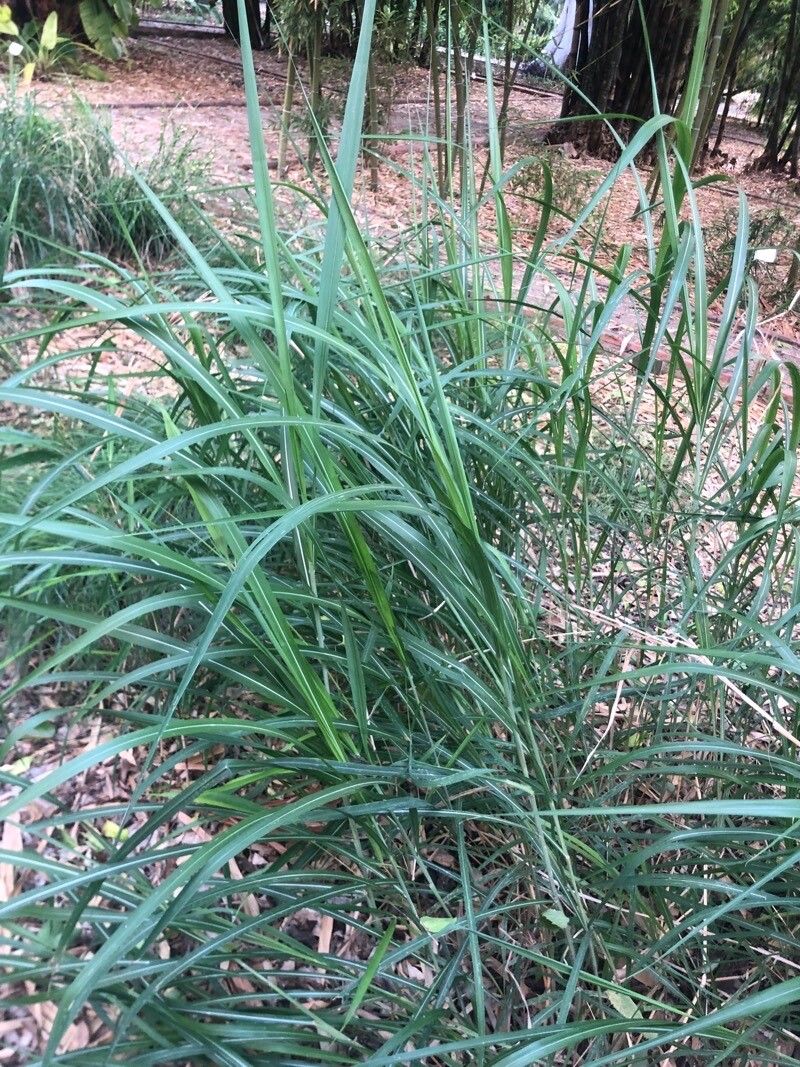
From One to Many: Unleashing Miscanthus floridulus’s Propagation Power
Miscanthus floridulus, also known as the “Silver Grass” or “Porcupine Grass,” is a stunning ornamental grass that adds a touch of elegance and texture to any garden. Its cascading plumes and graceful arching foliage make it a popular choice for landscaping, but did you know you can easily create more of this beauty? Propagation is the key to expanding your Miscanthus floridulus collection and sharing its captivating charm with others.
The Art of Division: A Proven Method for Miscanthus floridulus
Division is the most common and successful method for propagating Miscanthus floridulus. This process involves carefully separating a mature clump into smaller, individual plants. Here’s a step-by-step guide:
Timing is Everything: Spring, just as new growth emerges, or early fall after flowering is the ideal time for division.
Digging Deep: Use a sharp spade or shovel to carefully dig around the perimeter of the Miscanthus clump, ensuring you reach the roots.
Gentle Dissection: Once you’ve loosened the clump, carefully pry it apart with your hands or a garden fork. Aim for sections with at least 3-4 healthy rhizomes and a good root system.
- Replanting the Divisions: Plant the newly divided Miscanthus in well-prepared, fertile soil, ensuring the crown is at or slightly above ground level. Water thoroughly.
Beyond Division: Exploring Other Propagation Methods
While division is the most reliable method, Miscanthus floridulus can also be propagated through seed.
- Collect seeds from mature seedheads in late summer or early fall.
- Allow the seeds to dry and then sow them directly in the garden or start them indoors in seed trays.
Provide the seedlings with consistent moisture and warmth, and they should germinate within a few weeks.
Important Considerations:
- Growing Conditions: Miscanthus floridulus thrives in full sun and well-drained soil.
- Pest Control: Monitor for pests like aphids and scale insects.
Winter Care: In colder climates, Miscanthus floridulus can be cut back to the ground in late fall or winter. This helps prepare the plant for the dormant season.
Benefits of Propagation:
- Cost-Effectiveness: Skip expensive nursery purchases and create a whole new garden for a fraction of the cost.
- Increased Diversity: Experiment with different cultivars and enjoy a vibrant array of colors, textures, and heights.
- Sharing the Beauty: Give your friends and family the gift of Miscanthus floridulus and spread the joy of this stunning grass
Unlocking the Possibilities:
Whether you are a seasoned gardener or a green thumb novice, propagation offers an exciting opportunity to expand your Miscanthus floridulus collection and create a truly unique garden landscape. So, gather your tools, get your hands dirty, and begin your journey into the fascinating world of plant propagation!