
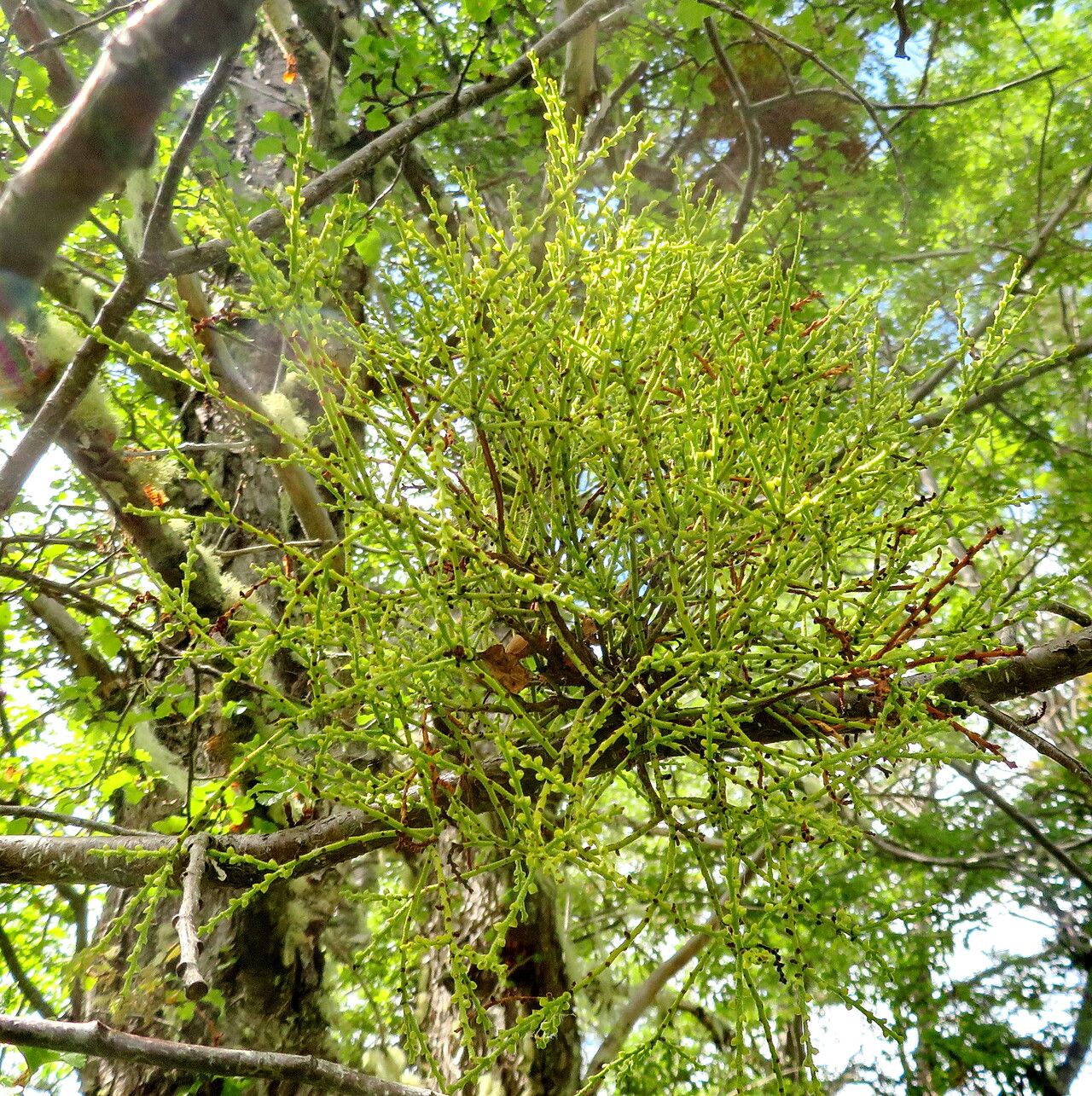
Propagating the Mistletoe-like Parasite: Misodendrum punctulatum
Introduction:
Misodendrum punctulatum, commonly known as the Chilean mistletoe, is a fascinating parasitic plant found in southern Chile and Argentina. Unlike many mistletoes, it boasts striking, almost sculptural characteristics: fleshy, reddish-brown stems, tiny scale-like leaves, and curious, almost rubbery flowers that contribute to its unique appeal. Its unusual appearance and challenging nature contribute to its growing popularity among specialist gardeners, who appreciate the thrill of successfully cultivating this unique botanical specimen. However, its parasitic nature and specific environmental requirements make propagation a significant undertaking.
Seed Germination:
Currently, there are no known reliable methods for seed germination propagation of Misodendrum punctulatum. While the plant produces seeds, their germination requirements remain largely unstudied and likely involve intricate interactions with its host tree (typically Nothofagus species) that are difficult to replicate in a horticultural setting. Further research is needed to determine if successful germination is even feasible outside its natural environment.
Cuttings:
The propagation of Misodendrum punctulatum through cuttings presents significant challenges. The plant’s parasitic nature means it relies on its host for nutrients and water, making it extremely difficult to establish independent root systems from cuttings. Attempts at rooting using various hormonal treatments and substrates have yet to yield reliable success. Therefore, while theoretically possible, cuttings propagation of Misodendrum punctulatum is currently considered impractical and highly unlikely to succeed.
Division:
Division is also not a viable method for propagating Misodendrum punctulatum. As a parasitic plant that typically forms relatively compact growths on its host, there are no readily separable parts that can be successfully divided and replanted to form independent plants. Attempts at division would likely severely damage both the Misodendrum and its host.
Tissue Culture:
Tissue culture offers the most promising, albeit still challenging, avenue for propagation. This technique, requiring specialized laboratory equipment and expertise, might allow for the asexual cloning of Misodendrum punctulatum. However, developing a suitable protocol might necessitate extensive experimentation to find optimal media compositions, growth regulators, and sterilization procedures specific to the plant’s unique physiology. The rewards, however, could be substantial: it permits the large-scale production of genetically identical plants, preserving desirable characteristics and making this rare plant more accessible to collectors and researchers alike. However, the significant investment in time, resources, and expertise makes this a complex and costly undertaking.
Conclusion:
Propagating Misodendrum punctulatum presents a considerable challenge, with established horticultural methods proving largely ineffective. While tissue culture offers the most hopeful route for successful propagation, its complexity and cost remain significant barriers. The rarity and demanding nature of this plant contribute to the unique satisfaction derived from successfully cultivating it. The journey, fraught with challenges, ultimately culminates in a profound appreciation for the resilience and beauty of this remarkable species. Aspiring propagators should be prepared for a long and potentially expensive process, requiring patience, persistence, and a willingness to experiment. But the successful cultivation of this unique mistletoe, a testament to horticultural skill and dedication, is a reward truly unlike any other.