
Taming the Tiny Treasures: Propagating the Variable Mitrasacme (Mitrasacme polymorpha)
The world of botany is brimming with fascinating specimens, and Mitrasacme polymorpha, more commonly known as the Variable Mitrasacme, is no exception. This delicate Australian native, with its tiny white flowers and intriguing variability, might seem unassuming at first glance. However, for plant enthusiasts seeking a unique propagation challenge, it offers a rewarding journey.
Understanding the Variable Beauty
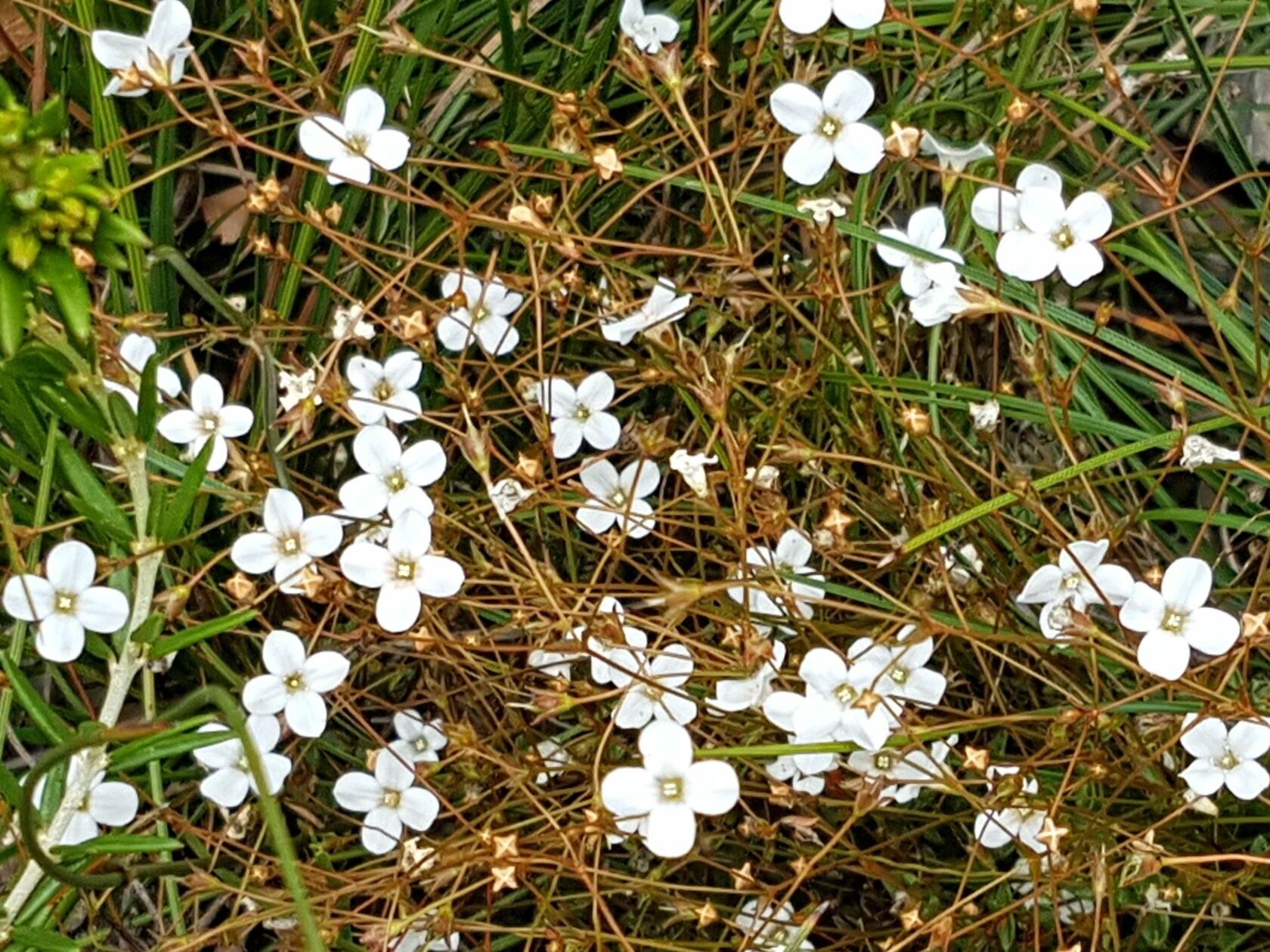
True to its name, Mitrasacme polymorpha exhibits considerable variation in its growth habit and leaf shape, making identification a touch trickier. Generally, you’ll find it sprawled across the ground, its slender stems bearing small, opposite leaves and culminating in clusters of starry white, sometimes pink-tinged, flowers. This variability, while charming, highlights the need to correctly identify your Mitrasacme polymorpha before embarking on propagation.
Seed Starting: A Test of Patience
The most common method of propagating Mitrasacme polymorpha is through seeds, though patience is key. Here’s what you need to know:
- Seed Collection: Collect mature seed capsules from the plant during late summer or autumn. The capsules will be dry and brown.
- Seed Preparation: Gently crush the capsules to release the tiny seeds within. Due to their size, handling them individually can be challenging.
- Sowing: Use a well-draining seed raising mix and scatter the seeds sparsely on the surface. Mist lightly, ensuring the seeds are moist but not waterlogged.
- Patience is Key: Germination can be erratic and may take several weeks to months. Maintain consistent moisture, good light (but not direct sunlight), and a warm environment during this period.
Cuttings: For a Quicker Reward
While slightly less common, propagating Mitrasacme polymorpha from cuttings offers a potentially faster route:
- Timing is Crucial: Take cuttings during the plant’s active growing season – spring to early summer.
- Cut Selection: Select healthy, non-flowering stems. Each cutting should be around 5-8 cm long.
- Preparation: Remove the lower leaves, leaving 2-3 pairs at the top. Dip the cut end in rooting hormone to encourage growth.
- Planting: Insert the cuttings into a moist, free-draining potting mix. Covering the pot with a clear plastic bag can help maintain humidity.
- Root Development: Keep the cuttings in a warm, well-lit location, but out of direct sunlight. Rooting should occur within a few weeks.
Nurturing Your Mitrasacme
Once your seedlings or cuttings have established a good root system, they can be gradually acclimated to outdoor conditions. Remember:
- Sun and Soil: Mitrasacme polymorpha prefers well-drained soil and partial shade, mimicking its natural habitat.
- Water Wisely: While it tolerates some dryness, consistent moisture is key, especially during its growing season.
- Fertilize Sparingly: A diluted, balanced fertilizer can be applied occasionally during the growing season.
Propagating Mitrasacme polymorpha may require a touch more patience than some other species, but the reward of seeing these delicate beauties flourish in your care is well worth the effort. So, why not embrace the challenge and add a touch of Australian wildflower magic to your garden?