
Unveiling the Secrets of Giant Mitrophyllums: A Guide to Propagation
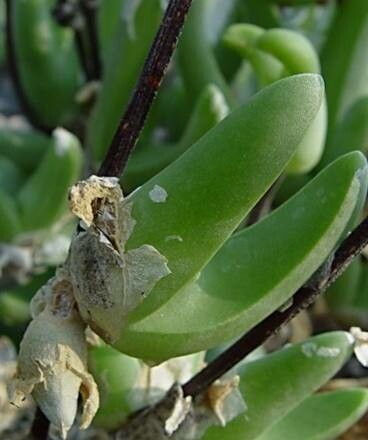
The world of succulents is vast and diverse, full of fascinating plants with unique adaptations. One such captivating species is the Giant Mitrophyllum, scientifically known as Mitrophyllum grande. This South African native is a sight to behold, with its plump, finger-like leaves and vibrant, daisy-like flowers. But its true magic lies in its unusual growth cycle and the surprising ease with which it can be propagated. Let’s delve into the fascinating world of Giant Mitrophyllum propagation and learn how to expand your succulent collection with these intriguing plants.
Understanding the Giant Mitrophyllum’s Life Cycle
Before embarking on the propagation journey, it’s crucial to grasp the distinct growth habit of Mitrophyllum grande. Unlike typical succulents, this species exhibits a unique annual growth cycle, marked by periods of dormancy and active growth. In its natural habitat, it experiences a dry summer dormancy, retreating into a protective sheath of dried leaves. With the arrival of cooler, wetter conditions, it bursts back to life, producing fresh, plump leaves and vibrant blooms.
Methods of Propagation: Seeds vs. Cuttings
Propagating Giant Mitrophyllums offers two primary pathways:
1. Seeds: Sowing the Future
- Timing is Key: Ideally, sow Mitrophyllum seeds in late summer or early fall, mimicking their natural growth cycle.
- Soil Preparation: Use a well-draining seed starting mix specifically formulated for succulents or cacti.
- Sowing Technique: Sprinkle seeds over the surface, barely pressing them into the soil. Light plays a crucial role in germination, so avoid burying them deeply.
- Moisture and Patience: Mist the soil surface regularly, keeping it consistently moist but not waterlogged. Germination can take several weeks, so patience is vital.
2. Leaf Cuttings: Cloning Your Favorite Plants
- Timing and Selection: Take leaf cuttings in spring or early summer during the active growing season. Choose healthy, plump leaves from mature plants.
- Allow to Callus: Unlike many succulents, Giant Mitrophyllum leaves don’t need a long callusing period. A day or two in a dry, shaded location is sufficient.
- Planting Technique: Gently press the cut end of the leaf into a well-draining succulent mix. Ensure the leaf is upright and stable.
- Rooting and Growth: Maintain a lightly moist environment and avoid direct sunlight until roots develop. Once rooted, you can gradually acclimatize the new plantlets to brighter conditions.
Essential Care Tips for Successful Propagation
- Well-Draining Soil: The key to healthy Mitrophyllums is excellent drainage. Use a well-aerated soil mix formulated for succulents and cacti.
- Light Requirements: These sun-loving plants thrive in bright, indirect light. During the active growth phase, ensure they receive ample light to prevent etiolation (stretching).
- Watering Wisely: Water deeply but infrequently, allowing the soil to dry out completely between waterings. Overwatering is a common pitfall and can lead to root rot.
- Dormancy Demands: As the weather warms up and the plant enters dormancy, gradually reduce watering. Keep the soil mostly dry until new growth emerges in the fall.
With a little understanding of their unique life cycle and a touch of patience, propagating Giant Mitrophyllums can be a rewarding experience. Whether you choose the adventure of seeds or the efficiency of cuttings, you’ll be rewarded with stunning, new additions to your succulent collection.