
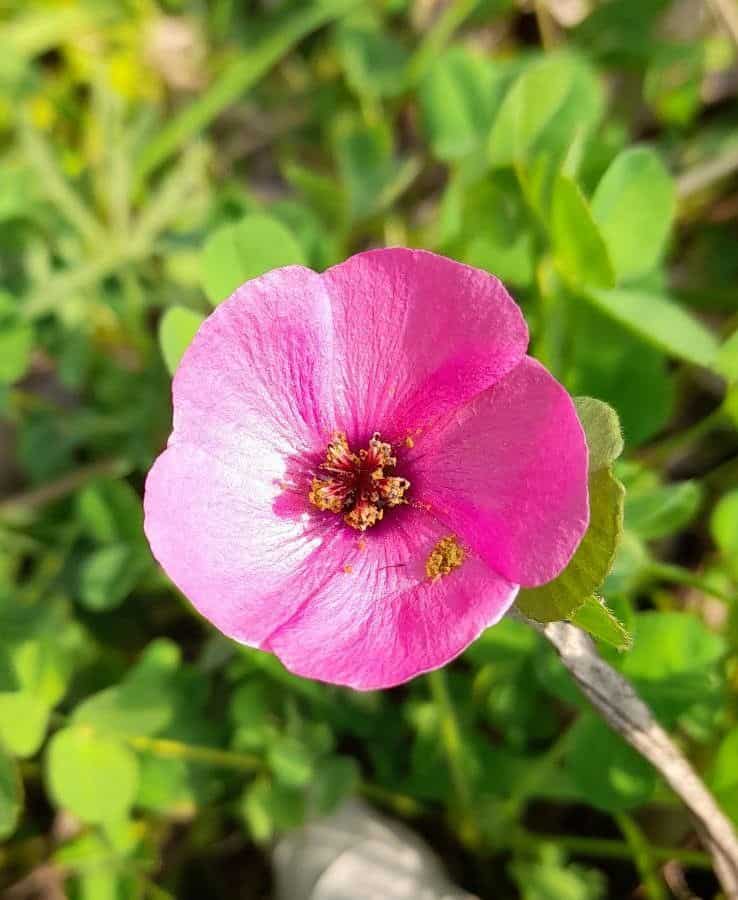
Taming the Wildflower: A Guide to Propagating Modiolastrum gilliesii
The Modiolastrum gilliesii, also known as the "Dwarf Mallow" or "Upright Mallow," is a charming plant native to South America. With its vibrant purple-pink flowers and unique foliage, it’s no wonder gardeners are drawn to its wild beauty. But taming this wildflower isn’t always easy.
If you’re itching to add the Modiolastrum gilliesii to your garden, understanding its propagation is key. While this plant readily self-seeds, giving the illusion of easy propagation, controlled methods offer more predictable and satisfying results.
Let’s delve into the two most effective ways to propagate Modiolastrum gilliesii:
1. Seed Starting: Planting for the Future
- Timing is Key: The ideal time to sow Modiolastrum gilliesii seeds is during the cooler months – fall or early spring. This timing mimics their natural growth cycle in their native habitat.
- The Right Medium: Use a well-draining seed starting mix. These seeds prefer a light and airy soil structure.
- Sowing the Seeds: Sprinkle the seeds on the soil surface, pressing them in gently. Remember, Modiolastrum gilliesii seeds need light to germinate.
- Patience is a Virtue: Place the seed tray in a warm, bright location, but out of direct sunlight. Keep the soil consistently moist, but not waterlogged. Germination can take anywhere from a few weeks to a couple of months, so don’t despair if you don’t see sprouts immediately.
- From Seedlings to Stars: Once your seedlings develop a couple of true leaves, you can transplant them into individual pots. Allow them to grow stronger before introducing them to your garden.
2. Cuttings: A Faster Route to Flowers
Propagating Modiolastrum gilliesii from cuttings offers quicker results compared to growing from seed. Here’s how to do it:
- The Perfect Cut: Take cuttings from healthy, non-flowering stems in late spring or early summer. Aim for sections about 4-6 inches long.
- Prepare for Success: Remove the lower leaves from the cutting, leaving only a few at the top. This minimizes water loss and encourages root development.
- Hormones for a Boost (Optional): While not essential, dipping the cut end in a rooting hormone can encourage faster and stronger root development.
- Planting Your Cuttings: Insert the prepared cuttings into a pot filled with a well-draining potting mix. Keep the soil consistently moist.
- Nurturing New Roots: Placing the pot in a humid environment can significantly improve the success rate. Consider covering the pot with a plastic bag or using a humidity dome.
- Transplant Time: You’ll know your cuttings have successfully rooted when you see new growth. At this point, you can carefully transplant them into individual pots or your garden.
Caring for Your New Modiolastrum Gilliesii
Regardless of your chosen propagation method, providing the right care is crucial for your Modiolastrum gilliesii to thrive.
- Sunlight and Soil: This plant enjoys full sun to partial shade. Plant it in well-draining soil to prevent root rot.
- Water Wisely: While the Modiolastrum gilliesii is relatively drought-tolerant once established, it appreciates regular watering while getting settled.
- Prune for Beauty: Regular deadheading (removing spent flowers) encourages continuous blooming and prevents self-seeding if you want to control its spread.
Propagating Modiolastrum gilliesii can be a rewarding experience for any gardener. With a little patience and care, you can successfully introduce this stunning wildflower into your own green haven.