
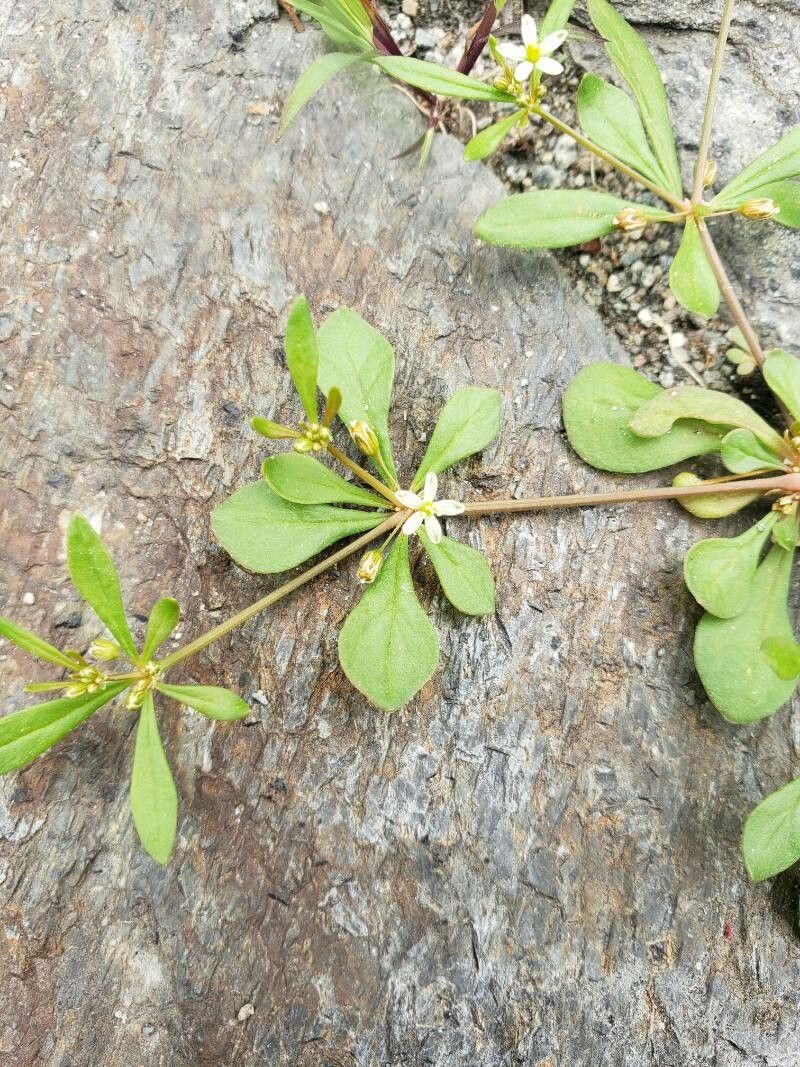
“Carpetweed” Conquered: Mastering the Art of Mollugo verticillata Propagation
Mollugo verticillata, commonly known as carpetweed, is a fast-growing, low-lying plant that often appears in gardens as a tenacious weed. However, its vigorous growth and ability to thrive in challenging conditions have made it an intriguing subject for plant enthusiasts looking to explore propagation. While carpetweed can be a nuisance in some settings, its resilience and ease of propagation make it a fascinating subject for those interested in learning new gardening techniques and expanding their plant knowledge.
Understanding the Basics of Mollugo verticillata Propagation
Propagating carpetweed is surprisingly straightforward. This plant is highly adaptable and can be reproduced through several methods:
- Seed Propagation: Carpetweed produces an abundance of small, black seeds that germinate easily in warm, moist conditions. Simply collect mature seeds from your existing carpetweed plants and sow them directly into your desired location.
- Stem Cuttings: Taking stem cuttings is another effective method. Choose healthy, non-flowering stems and cut them just below a node (where leaves grow from the stem). Remove the lower leaves and insert the cuttings into a pot of moist potting mix. Keep the cutting moist and in a warm, sunny location, and new roots will soon emerge.
- Division: Established carpetweed plants can be easily divided. Gently dig up the plant and separate it into smaller sections, each containing roots and leaves. Replant these divisions into new pots or directly into the garden, ensuring adequate watering and sunlight.
The Ideal Environment for Your Carpetweed Propagation
Carpetweed thrives in warm, sunny conditions.
- Sunlight: Aim for a spot that receives at least six hours of sunlight daily.
- Soil: Choose a well-draining soil mix, avoiding heavy clay that can retain too much water.
- Temperature: Carpetweed prefers warm temperatures and will flourish in climates with average temperatures above 60°F (15°C).
Tips for Success
- Start your propagation during the warm months: This ensures optimal growth and facilitates quicker rooting.
- Moist but not soggy: Keeping your cuttings or divisions adequately moist is essential. Avoid overwatering, as this can lead to root rot.
- Protect from cold: Carpetweed is not frost-tolerant, so it’s important to keep your new plants shielded during colder temperatures.
Beyond the Propagation: Understanding the Versatility of Carpetweed
Once your carpetweed plants are established, you can enjoy their rapid growth and unique qualities.
- Groundcover: Carpetweed can be a valuable ground cover, preventing soil erosion and suppressing weed growth.
- Succulents: Many consider carpetweed a type of succulent, adding to its appeal for those interested in these unique plants.
- Medicinal Properties: Some traditional medicine practices utilize carpetweed for its anti-inflammatory and wound-healing properties.
Beyond the Garden: A Plant with a Story
Carpetweed is often seen as a “weed,” but its tenacity and adaptability tell a story of resilience and survival. By understanding its propagation techniques and embracing its versatility, you can appreciate this often overlooked plant for its beauty, practicality, and fascinating history. Whether you choose to cultivate carpetweed as a part of your garden or simply observe its growth in your surroundings, there’s much to discover and learn about this intriguing plant.