
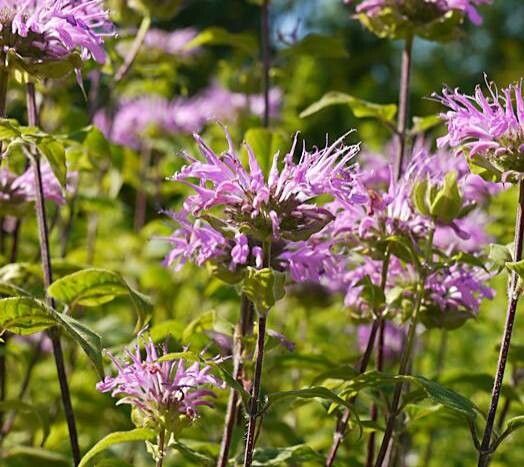
Unleash a Beebalm Bonanza: Propagating Monarda media for a Vibrant Garden
Monarda media, the vibrant and aromatic bee balm, is a pollinator magnet that deserves a prime spot in your garden. But did you know that propagating this beauty is surprisingly simple? Whether you’re a seasoned gardener or just starting out, multiplying your Monarda media is a rewarding way to expand your floral display and create a haven for beneficial insects. Let’s dive into the world of Monarda media propagation and discover the secrets to success!
Understanding Monarda media:
Before we delve into propagation techniques, it’s helpful to understand the plant itself. Monarda media, commonly known as scarlet bee balm or bergamot, is a herbaceous perennial that thrives in sunny locations with moist, well-drained soil. Its vibrant red flowers bloom in mid-to-late summer, attracting hummingbirds, butterflies, and of course, bees.
Methods of Propagation:
1. Division: The most common and straightforward method, division involves splitting established clumps of Monarda media. Here’s how:
- When: Early spring or fall is the ideal time for division as the plant is dormant and less susceptible to stress.
- How: Carefully dig around the clump you want to divide, ensuring you dig wide enough to avoid damaging the root system. Gently lift the clump and using your hands or a sharp spade, divide it into smaller sections, ensuring each section has a healthy amount of roots and shoots. Replant these divisions at the same depth they were originally growing.
2. Seed Propagation: Starting Monarda media from seed requires a bit more patience but is a rewarding process:
* **When:** Sow seeds indoors approximately 6-8 weeks before the last expected frost.
* **How:**  Use a seed starting mix, sow seeds lightly, and keep the soil consistently moist. Provide warmth and light, and once seedlings are large enough to handle, transplant them into individual pots. Gradually harden them off before planting outdoors after the last frost.
3. Basal Cuttings: Another effective method, basal cuttings involve taking cuttings from new shoots at the base of the plant.
- When: This method is best done in late spring or early summer.
- How: Choose healthy, non-flowering shoots and cut a 3-4 inch section just above a leaf node. Remove the lower leaves and dip the cut end in rooting hormone (optional but helpful). Plant the cutting in a moist, well-draining potting mix and keep it in a humid environment. Roots should develop in a few weeks.
Tips for Success:
- Regardless of the method, use high-quality potting mix and ensure proper drainage to prevent root rot.
- Water consistently, especially during the establishment period.
- Provide adequate sunlight – Monarda media thrives in full sun to partial shade.
- Fertilize regularly during the growing season with a balanced fertilizer.
- Deadhead spent blooms to encourage bushier growth and potentially a second flush of flowers.
Enjoying your Beebalm Bounty:
Propagating your own Monarda media is not just cost-effective, it’s also incredibly rewarding. Imagine being surrounded by a vibrant sea of crimson blooms, buzzing with the joyful activity of pollinators. With a little effort and these straightforward techniques, your garden can be a haven for beauty and biodiversity. So go ahead, unleash your inner gardener, and propagate your way to a beebalm bonanza!