
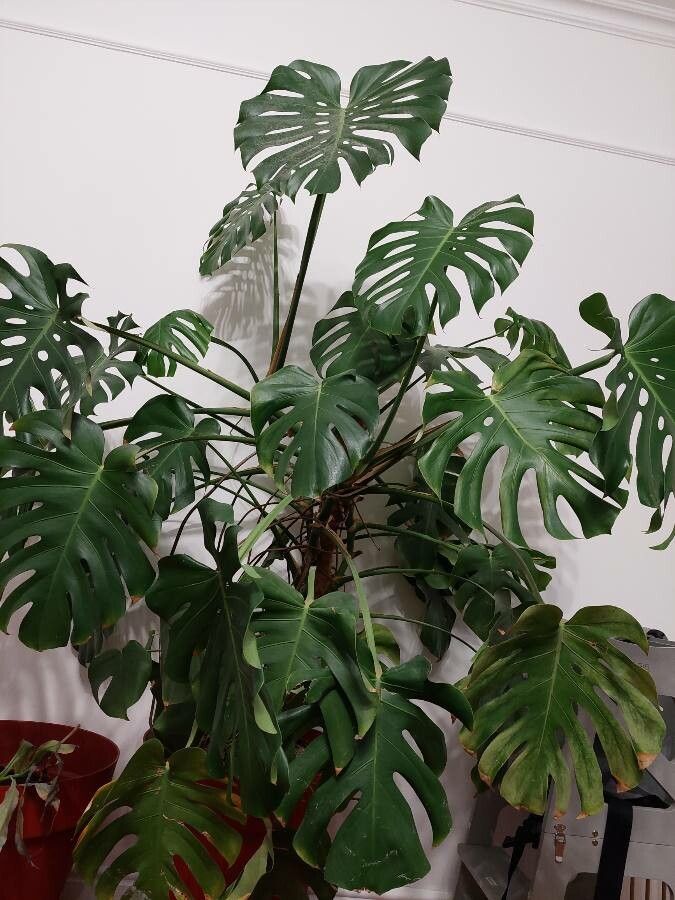
Propagating the Swiss Cheese Vine: A Guide to Multiplying Monstera deliciosa
The Monstera deliciosa, commonly known as the Swiss cheese plant or Mexican breadfruit, is a captivating vine prized for its dramatically fenestrated leaves – those iconic holes that give it its common name. Its popularity among indoor gardeners is undeniable, fueled by its relatively easy care and the sheer aesthetic appeal of its mature foliage. However, acquiring new Monsteras can be expensive. Propagating this iconic plant offers a rewarding alternative, albeit one with varying levels of difficulty depending on the chosen method.
Seed Germination:
Currently, there are no known reliable methods for seed germination propagation of Monstera deliciosa. While the plant does produce fruit containing seeds, germination rates are notoriously low, and the process is largely unpredictable and unreliable for home gardeners. The seeds require specific and often difficult-to-replicate environmental conditions, making this method impractical.
Cuttings:
This is by far the most common and successful method for propagating Monstera deliciosa.
Challenges: The primary challenge lies in selecting the right cutting. Successful propagation requires a cutting with at least one node (where aerial roots emerge) and several healthy leaves. Rot is a significant risk, particularly if the cutting isn’t allowed to callous properly before planting.
Practical Tips:
- Select a cutting: Choose a stem cutting of at least 6 inches, ideally with several nodes and healthy leaves. A cutting from a mature vine works best.
- Allow to callous: Let the cut end dry for 1-2 days to form a callus, preventing rot.
- Plant in suitable medium: Use a well-draining mix, such as a perlite and peat moss blend, or a sphagnum moss mix.
- Maintain humidity: Keep the cutting moist but not soggy. A humidity dome or regular misting can significantly improve success rates.
- Provide indirect light: Avoid direct sunlight, which can scorch the delicate leaves.
- Root development: Roots typically emerge within 4-8 weeks. Once roots are established, the cutting can be transplanted into its own pot.
Rewards: Cuttings are relatively easy to root and offer a reliable way to increase your Monstera collection. They will retain the characteristics of the parent plant, making this a straightforward method for propagating prized cultivars.
Division:
This method is possible only when you already have a mature, established Monstera deliciosa plant with multiple stems growing from a well-developed root system.
Challenges: Damaging the roots during division can severely stress the mother plant and hinder the success of propagation. It’s crucial to handle the roots gently.
Practical Tips:
- Gently lift the plant: Carefully remove the plant from its pot, gently loosening the root ball.
- Separate the stems: Use a clean, sharp knife or shears to carefully divide the root ball, ensuring each section has its own root system and healthy stems.
- Replant: Pot each division in well-draining potting mix and provide adequate moisture and indirect light.
Rewards: Division is a relatively quick method, producing instantly larger plants. The outcome is quick growth as the divisions already have established root systems.
Tissue Culture:
This is a highly specialized and advanced method, generally not suitable for home gardeners.
Challenges: Tissue culture requires sterile environments, specific nutrient media, and specialized equipment, making it inaccessible for most home setups. This is typically done in a laboratory setting.
Practical Tips: This method would be best left to professionals familiar with horticulture labs and techniques.
Rewards: While highly effective for large-scale propagation and achieving disease-free plants, it requires advanced skills and resources.
Conclusion:
Propagating Monstera deliciosa successfully offers a unique sense of accomplishment that extends beyond the simple addition of a new plant. The challenges, from avoiding rot in cuttings to carefully dividing a mature plant, highlight the delicate balance inherent in plant cultivation. While seed germination proves unreliable, cuttings offer a readily accessible and successful method for most home gardeners. Division, suitable for established plants, accelerates the process. Tissue culture, although highly effective, remains a specialized technique. Embrace the learning curve; the eventual success of nurturing a new Monstera deliciosa from a small cutting or division is a rewarding experience in itself. Remember patience is key, and even experienced propagators encounter setbacks. Don’t be discouraged; keep trying and you’ll eventually be enjoying the fruits (or rather, the leaves!) of your labor.