
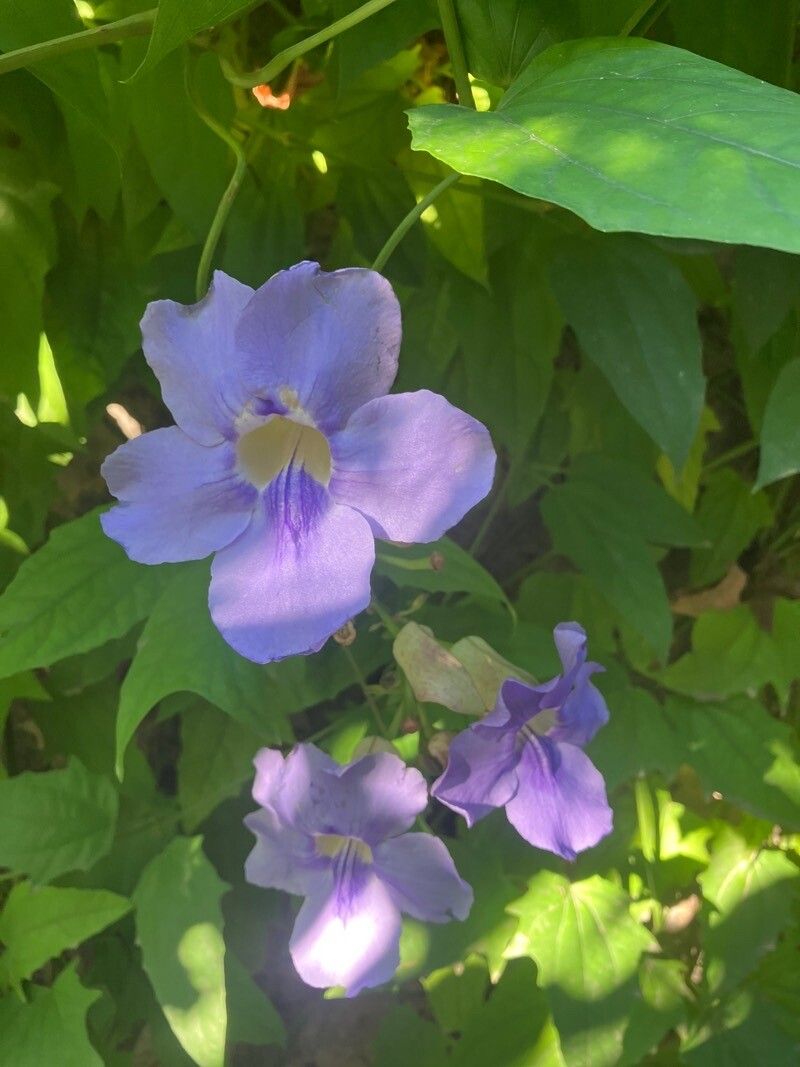
Unlocking the Secrets of Velvet Bean Propagation: Growing ‘Mucuna atropurpurea’ from Seed to Success
The exotic appeal of ‘Mucuna atropurpurea’, commonly known as the velvet bean, lies not only in its striking velvety pods and gorgeous blooms but also in its potent medicinal properties. If you’re captivated by this stunning plant and eager to cultivate your own, mastering the art of propagation is the key.
A Journey from Seed to Sprout
Propagating ‘Mucuna atropurpurea’ from seed is the most common method, promising a rewarding experience for the patient gardener. Here’s your guide to a successful start:
1. Sourcing the Seeds:
The first step is to acquire fresh, viable ‘Mucuna atropurpurea’ seeds. You can find them online or at specialized plant nurseries. Look for seeds that are plump, free of blemishes, and sold by reputable suppliers.
2. Scarification: Breaking the Dormancy:
Velvet bean seeds possess a hard, tough coat that prevents them from germinating. This natural defense mechanism ensures that seeds only germinate under ideal circumstances. To break this dormancy, you’ll need to scarify the seeds. This essentially “wakes up” the embryo within. Here are two proven methods:
- Mechanical Scarification: Gently rub the seed against sandpaper or a rough file until you see a light scratch on the coat.
- Hot Water Treatment: Immerse the seeds in hot (not boiling) water for 24 hours. This softens the seed coat and allows water to penetrate.
3. Soaking and Sowing:
After scarification, soak the seeds in warm water for 12-24 hours. This softens the seed coat further and encourages germination.
Once the seeds are thoroughly soaked, sow them in a seed tray filled with a well-draining seed-starting mix. Plant the seeds about ½ inch deep and gently firm the soil around them.
4. Location and Sunlight:
Place the seed tray in a warm location that receives bright, indirect light. Consistent temperatures between 70-80°F are ideal. You can also use a heating mat for additional warmth.
5. Moisture and Humidity:
Keep the soil consistently moist but not soggy. Light, regular watering is key. You can create a humid environment by covering the seed tray with a clear plastic dome or wrap.
6. Germination Time:
With proper conditions, velvet bean seeds can take about 1-3 weeks to germinate. Be patient and keep the soil moist.
7. Transplanting:
Once the seedlings have several true leaves (usually 2-3 weeks after germination), you can transplant them into larger pots or directly into the garden. Choose a location in your garden that offers partial shade to full sun with well-drained soil.
Beyond Seed Propagation
While seed propagation is the most common method, ‘Mucuna atropurpurea’ can also be propagated through cuttings. However, this method is less reliable and requires more expertise.
Tips for Success:
- Maintain a well-draining soil and avoid overwatering.
- Fertilize regularly with a balanced fertilizer during the growing season.
- Provide support for the climbing vines, as they can grow quite tall.
- After flowering, the pods mature and dry, releasing the velvet beans. Harvest these pods once they are fully dried for storage.
Cultivating ‘Mucuna atropurpurea’ is a rewarding journey that brings the beauty of this exotic plant to your garden. Armed with the right care, you can unlock the secrets of propagation and enjoy the unique medicinal and ornamental qualities of the velvet bean.