
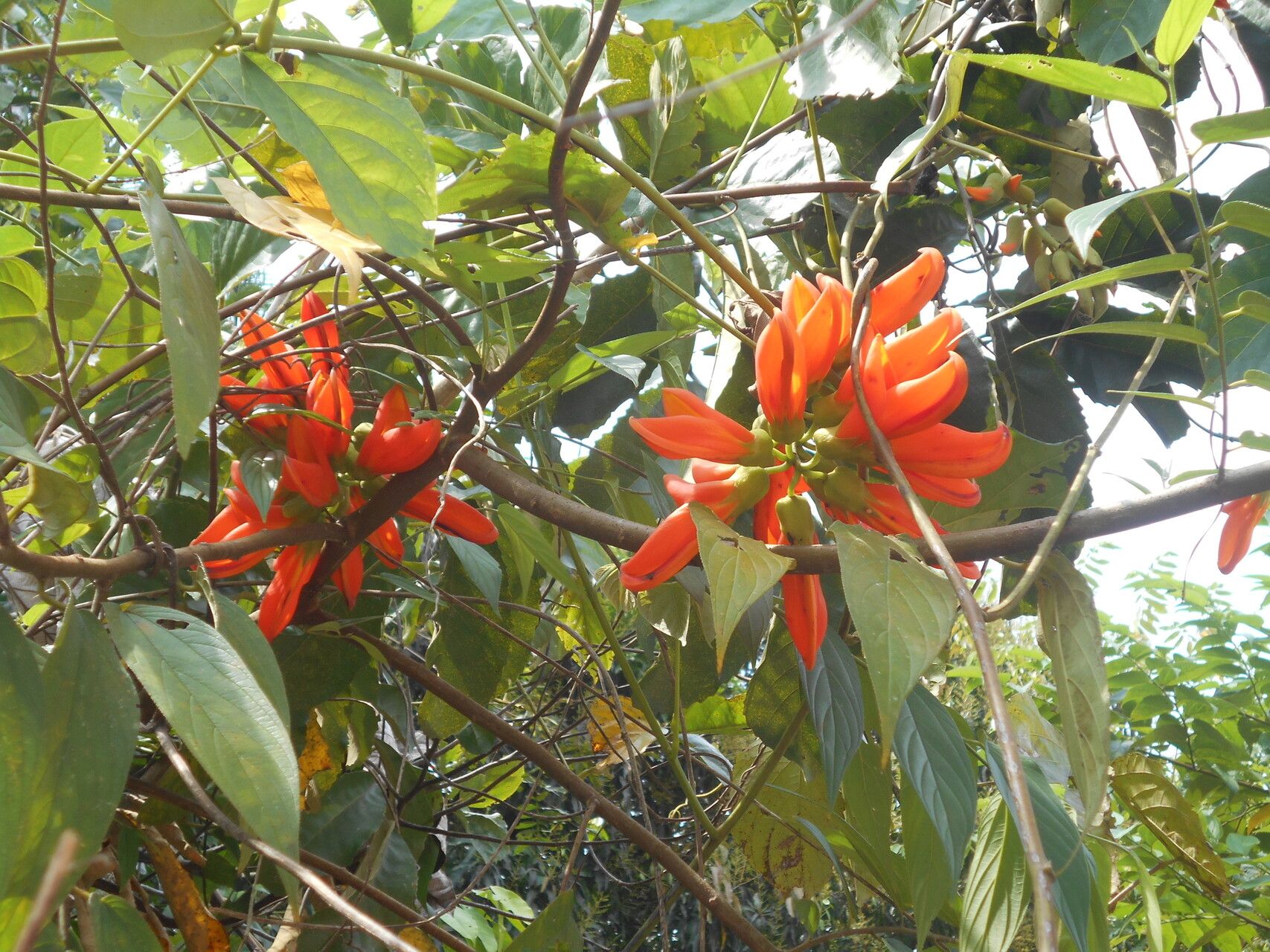
Propagating Mucuna rostrata: A Gardener’s Guide to the Velvet Bean
Introduction:
Mucuna rostrata, commonly known as the velvet bean, is a vigorous, climbing legume prized for its striking appearance and remarkable nitrogen-fixing capabilities. Its large, velvety-haired pods and charming purple flowers make it a popular choice among gardeners seeking a unique addition to their landscapes, particularly those interested in attracting pollinators. However, its propagation can be challenging, making successful cultivation all the more rewarding. This article explores various methods for propagating Mucuna rostrata, weighing their viability and offering practical advice.
Seed Germination:
Seed germination is a viable method for propagating Mucuna rostrata, albeit with some challenges. The hard seed coat often inhibits germination.
Challenges: Hard seed coat reducing water uptake and germination rate.
Tips: Scarification is crucial. Methods include nicking the seed coat with a file or knife, soaking seeds in hot water (around 80°C) for a short period, or using concentrated sulfuric acid for a very brief immersion (requiring caution and protective gear). After scarification, soak seeds in water for 24-48 hours before sowing. Sow seeds directly into well-drained soil in a warm environment (20-25°C). Maintain consistent moisture but avoid waterlogging.
Rewards: Seed germination allows for the propagation of a wide range of genetic diversity, which is beneficial for ensuring the long-term health and resilience of the species. It is also a cost-effective method for large-scale propagation.
Cuttings:
Currently, there are no known reliable methods for propagating Mucuna rostrata through cuttings. The plant’s physiology appears to prevent successful rooting from stem or leaf cuttings, despite trials with various rooting hormones and conditions.
Division:
Division is not a practical method for propagating Mucuna rostrata. This plant develops a large, deep root system that is difficult to divide effectively without causing severe damage to the parent plant, significantly reducing its chances of survival.
Tissue Culture:
While tissue culture offers potential for large-scale propagation and the production of disease-free plants, there’s limited readily available research on the successful application of this method to Mucuna rostrata. More research is needed to establish optimal protocols.
Challenges: Establishing optimal tissue culture protocols for Mucuna rostrata remains a research area. Specialized equipment and expertise are required.
Tips: Future research should focus on optimizing media composition, growth regulators, and sterilization techniques.
Rewards: Successful establishment of tissue culture protocols would allow for rapid and large-scale propagation of desirable genotypes, ensuring uniformity and potentially allowing for genetic improvement through advanced techniques.
Conclusion:
Propagating Mucuna rostrata presents unique challenges, with seed germination currently being the most viable method. While overcoming the hard seed coat requires careful technique, the rewards of successfully cultivating this fascinating plant are substantial. The ability to cultivate and introduce more genetic diversity through successful germination is especially rewarding. The effort required emphasizes the unique satisfaction derived from witnessing the emergence of this beautiful and ecologically valuable legume from a seemingly unyielding seed. For aspiring propagators, patience, persistence, and a willingness to experiment with scarification techniques are key to success. While other methods like tissue culture hold promise, further research is necessary to unlock their full potential for Mucuna rostrata propagation. Embrace the challenges, celebrate the successes, and enjoy the journey of cultivating this captivating plant.