
Unlocking the Secrets of Mukdenia Rossii: A Propagation Primer
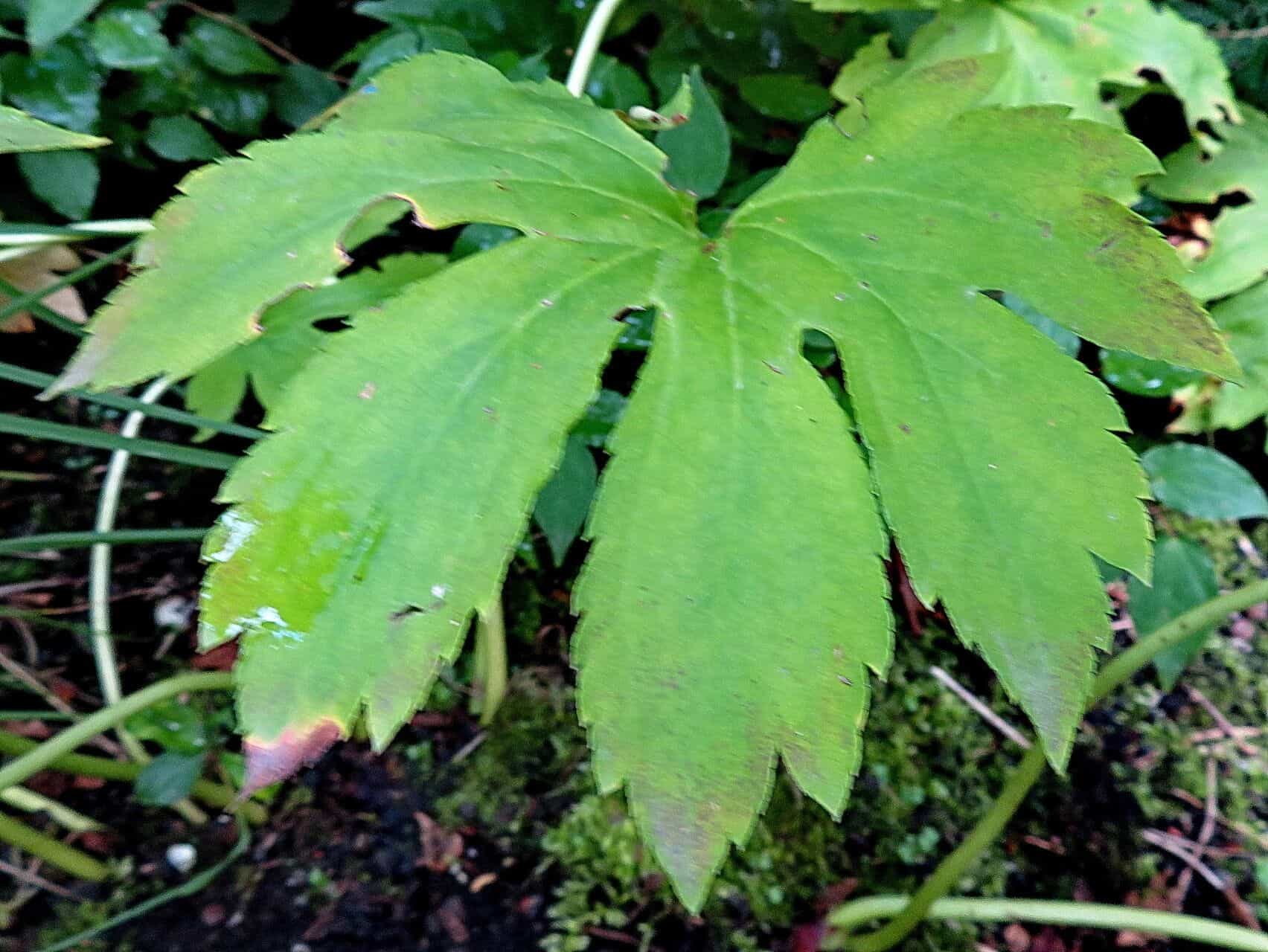
Mukdenia rossii, with its captivating maple-like leaves that transition through a kaleidoscope of colors, is a sight to behold. This hardy perennial, also known as the Maple Leaf Mukdenia, can be the crown jewel of your shade garden, rewarding you with its unique beauty year after year. But did you know that multiplying your Mukdenia joy is achievable even for beginner gardeners? Let’s delve into the world of Mukdenia rossii propagation and uncover the secrets to successfully growing more of these stunners.
Two Paths to Propagation:
Mukdenia rossii can be propagated through two primary methods: division and seed. Each technique has its pros and cons, allowing you to choose the approach that best suits your gardening style and resources.
1. Division: The Simplicity of Splitting
Division is the most straightforward and arguably the most successful way to propagate Mukdenia rossii. Here’s how it’s done:
- Timing is key: Early spring or fall, when the plant is dormant or just beginning to emerge from dormancy, is the optimal time for division.
- Gentle Excavation: Carefully dig up the entire plant, ensuring you get as much of the root system as possible.
- Divide and Conquer: Using a sharp, clean knife or garden spade, divide the plant into smaller sections. Each section should have a good amount of roots and at least one healthy growth point.
- Replanting: Replant the divisions at the same depth they were growing originally, in a well-drained, shady location. Water thoroughly and keep the soil consistently moist until the divisions are established.
Division Advantages:
- High success rate: Divisions are essentially clones of the parent plant, giving them a head start in the growth department.
- Quick results: You’ll see new growth within the same season.
- Preserves plant traits: Divisions retain the characteristics of the parent plant, ensuring you maintain the beautiful foliage and color variations.
2. Seed Propagation: The Patient Gardener’s Approach
While slightly more challenging than division, growing Mukdenia rossii from seed offers a rewarding experience for patient gardeners. Here’s what you need to know:
- Seed Collection: Collect seeds from mature plants in late summer or early fall.
- Cold Stratification: Mukdenia rossii seeds require a period of cold stratification to germinate. You can achieve this by either sowing seeds in pots outdoors during winter or mimicking winter conditions in your refrigerator (around 40°F) for 6-8 weeks.
- Sowing: In spring, sow the stratified seeds in seed trays or pots filled with well-draining seed-starting mix. Lightly cover the seeds and keep the soil consistently moist.
- Patience is a Virtue: Germination can take several weeks or even months. Once the seedlings are large enough to handle, transplant them into individual pots and grow them on until they are ready for planting in the garden.
Seed Propagation Advantages:
- Economical: Starting plants from seeds is a budget-friendly way to increase your Mukdenia collection.
- Greater Variety: Seed-grown plants offer the potential for exciting variations in foliage color and growth habit.
Nurturing Your New Mukdenia:
Whether you choose division or seed propagation, providing the right growing conditions is crucial for your new Mukdenia plants to thrive. Remember to locate them in shady spots with well-drained soil and keep them consistently watered. With a little TLC, your new Mukdenia rossii plants will soon grace your garden with their unique beauty – a testament to your successful propagation efforts.