
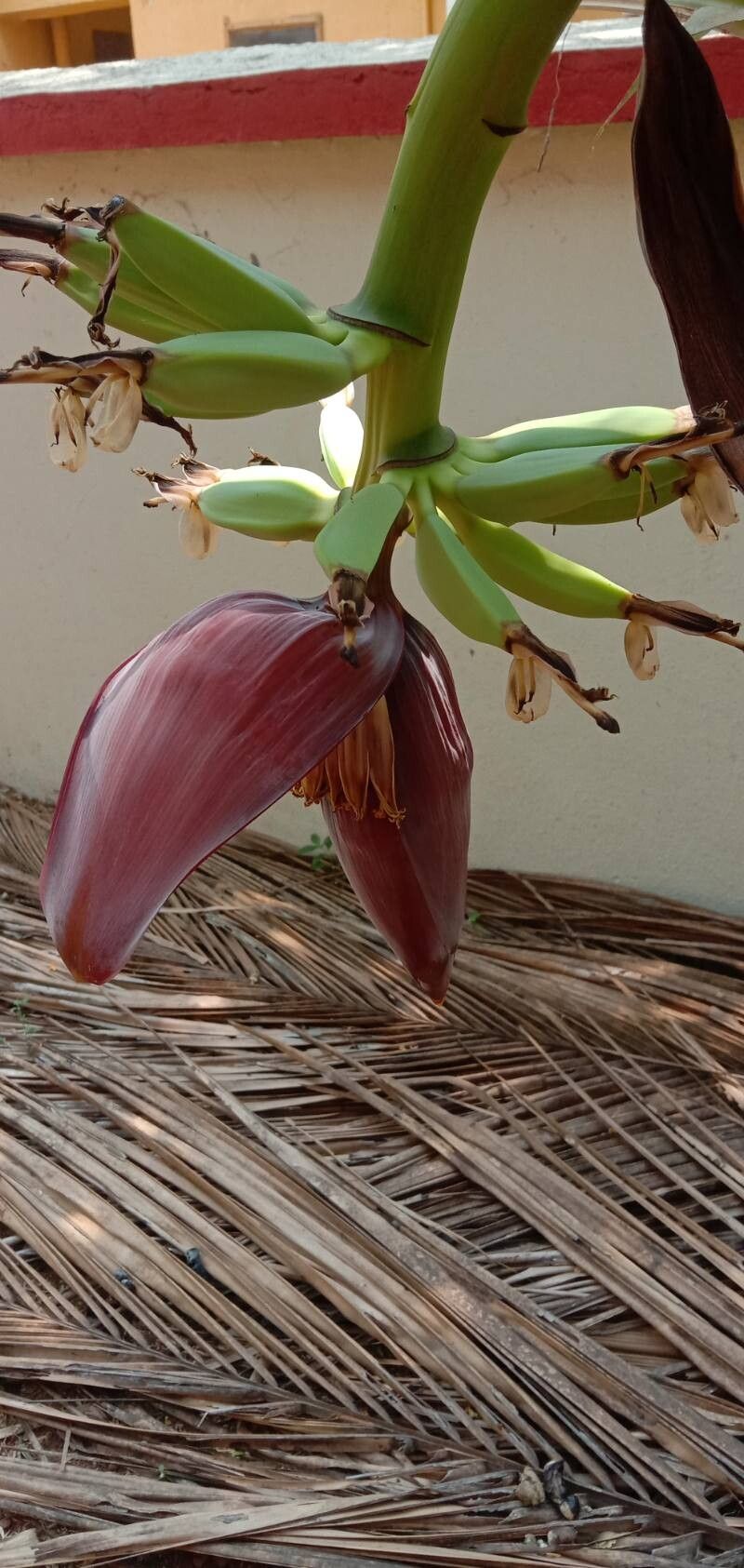
Bananas from Pups: A Guide to Propagating Your Musa Acuminata
So you’re fascinated by the lush, tropical allure of your Musa acuminata, more commonly known as the banana plant. Perhaps you dream of expanding your green haven with more of these stunning specimens? Well, you’re in luck! Propagating banana plants is a surprisingly straightforward process, and with a little know-how, you can be well on your way to a thriving banana family.
Understanding the Banana Plant Family Tree
Before we delve into the nitty-gritty of propagation, let’s clarify some botanical basics. The “banana tree” is a bit of a misnomer, as these majestic plants are actually herbaceous perennials—meaning their stems are fleshy and don’t have the wood you’d find in a traditional tree.
Musa acuminata, the species we’re focusing on, is a key player in the world of bananas. It’s one of the parent species of the Cavendish banana, the variety you’re most likely to find in your local supermarket.
The Wonders of Pups: Your Propagation Pathway
The most common and efficient method for propagating Musa acuminata is through its “pups.” These are essentially baby banana plants that sprout from the base of the mother plant. Think of it as the banana plant’s way of naturally expanding its reach.
Timing is Everything: Choosing the Right Pup
Not all pups are created equal when it comes to propagation. You want to choose a pup that’s at least a foot tall and ideally has developed its own set of small, sword-shaped leaves. This indicates that the pup has developed a decent root system and is ready to strike out on its own.
Separation Anxiety? Not for These Pups!
The best time to separate pups from their mother plant is during the warmer months, ideally in spring or early summer. This gives them the entire growing season to establish themselves in their new home. Here’s how to separate and pot your banana pup:
- Tools of the Trade: Gather a sharp, sterilized knife or saw, a trowel, and a pot that’s roughly twice the size of the pup’s root ball.
- Gentle Excavation: Carefully dig around the base of the pup, being mindful of the mother plant’s roots. You aim to separate the pup with as much of its own root system as possible.
- A Clean Break: Using your sterilized knife or saw, sever the pup from the mother plant, ensuring it has some roots attached.
- New Beginnings: Plant your pup in a well-draining potting mix, burying the base slightly below the soil line. Water thoroughly and place it in a warm, partially shaded spot.
Nurturing Your New Banana Plant Generation
Once potted, your banana pup will need some tender loving care to thrive. Ensure it receives regular watering, keeping the soil consistently moist but not waterlogged. Fertilize every few weeks during the growing season with a balanced fertilizer to encourage healthy growth.
Keep in mind that Musa acuminata prefers warmth and humidity. If you live in a cooler climate, consider growing your plant in a container that can be moved indoors during the colder months.
Patience Yields Sweet (and Savory!) Rewards
Propagating your Musa acuminata is a rewarding journey that brings the joys of gardening right to your doorstep (or should we say, backyard?). While it may take a few years for your new plants to produce fruit, the journey of nurturing them from pups to mature specimens is an enriching experience in itself. And who knows, with a little patience and care, you might just find yourself snacking on homegrown bananas before you know it!