Propagating Musa basjoo: The Hardy Banana’s Journey from Rhizome to Grove
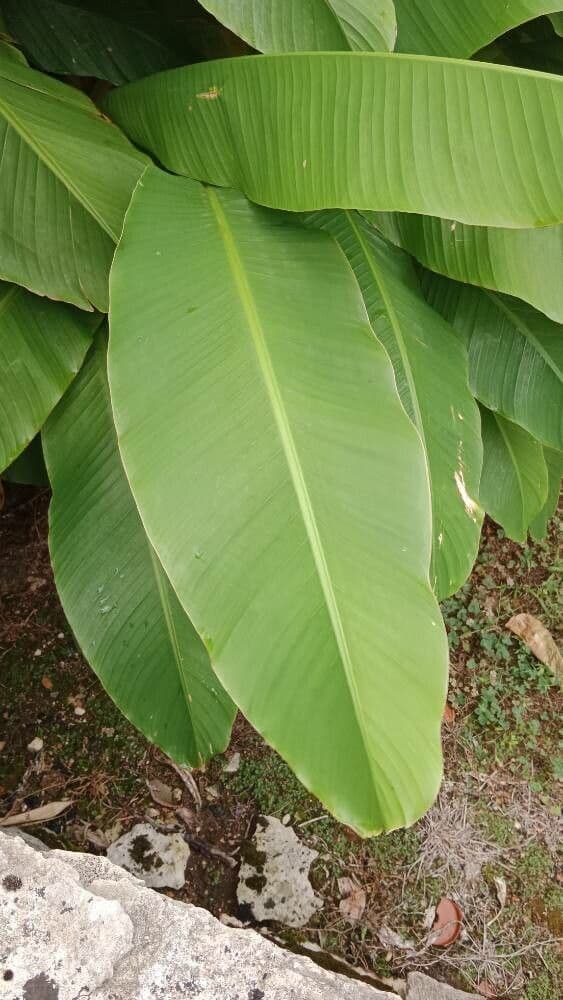
Musa basjoo, commonly known as the Japanese fiber banana or Japanese banana, is a striking horticultural addition, prized for its impressive size, cold hardiness (significantly greater than most bananas), and attractive foliage. Unlike its tropical cousins, Musa basjoo can survive temperatures well below freezing, making it a popular choice for gardeners in temperate climates. This hardiness, however, doesn’t necessarily translate to easy propagation. Its unique characteristics present both exciting challenges and considerable rewards for those seeking to expand their Musa basjoo collection.
Seed Germination:
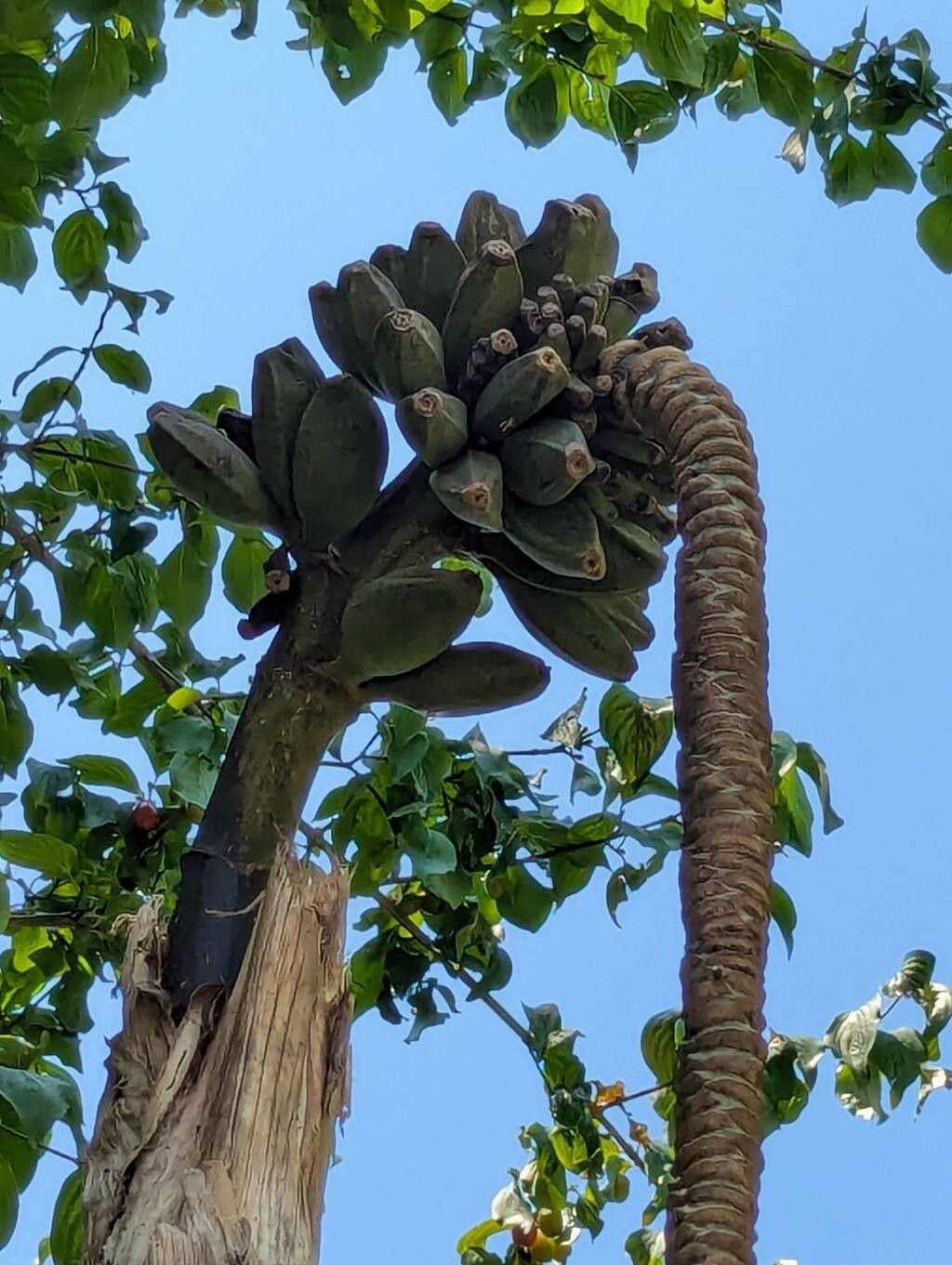
Currently, there are no known reliable methods for seed germination propagation of Musa basjoo. While Musa basjoo does produce seeds, they are rarely viable and germination rates are extremely low, making this method impractical for most home propagators.
Cuttings:
Propagating Musa basjoo via cuttings is also generally unsuccessful. While one might attempt to root stem cuttings, the lack of pre-formed roots and the susceptibility to rot significantly limit success. This limits propagation largely to rhizome division.
Division:
Division is the most reliable and commonly employed method for propagating Musa basjoo. This involves separating the suckers or offshoots that grow from the main rhizome.
- Challenges: Successfully dividing a Musa basjoo rhizome requires care to avoid damaging the plant. Each division needs a sufficient portion of rhizome with healthy roots and buds to ensure survival. Improper division can lead to the death of both the parent plant and the offshoots.
- Practical Tips: The best time to divide is during the spring or early summer when the plant is actively growing. Use a sharp, clean spade or knife to separate the suckers, ensuring each division has several healthy buds and a good root system. Plant the divisions immediately in well-drained, fertile soil. Watering should be consistent but not excessive, to avoid root rot.
- Rewards: Division offers a relatively straightforward way to increase the number of plants quickly. It maintains the exact genetic characteristics of the parent plant, ensuring consistent results.
Tissue Culture:
Tissue culture is a more advanced propagation method that allows for large-scale production of Musa basjoo plants from small tissue samples in a sterile laboratory environment.
- Challenges: Tissue culture requires specialized equipment, a sterile environment, and a good understanding of plant tissue culture techniques. It’s not a method readily accessible to the average home gardener. Costs for commercial laboratories are also a factor.
- Practical Tips: This method is best left to nurseries and specialized laboratories equipped to handle the necessary procedures.
- Rewards: Tissue culture offers the ability to produce a large number of genetically identical plants quickly and efficiently, making it ideal for mass propagation and the distribution of high-quality planting material. It also minimizes the risk of disease transmission.
Conclusion:
Propagating Musa basjoo presents unique challenges, primarily due to the low viability of seed and the difficulty in producing successful cuttings. Division remains the most practical method for home gardeners. While tissue culture offers enormous potential for large-scale production, its complexity limits its accessibility. The rewards, however, are substantial. The success of propagating this striking plant, regardless of the method used, provides a deep sense of satisfaction alongside the beauty of the mature plants. The challenges involved only enhance the pride associated with cultivating these hardy banana plants in locations where many never thought possible. While division is the most accessible method, aspiring propagators should focus on good soil preparation, careful division techniques, and consistent, yet careful watering to maximize their chances of establishing healthy new plants. The journey of cultivating this exceptional plant is as rewarding as the result itself.