
Propagating Musa troglodytarum: A Gardener’s Guide to the Cave Banana
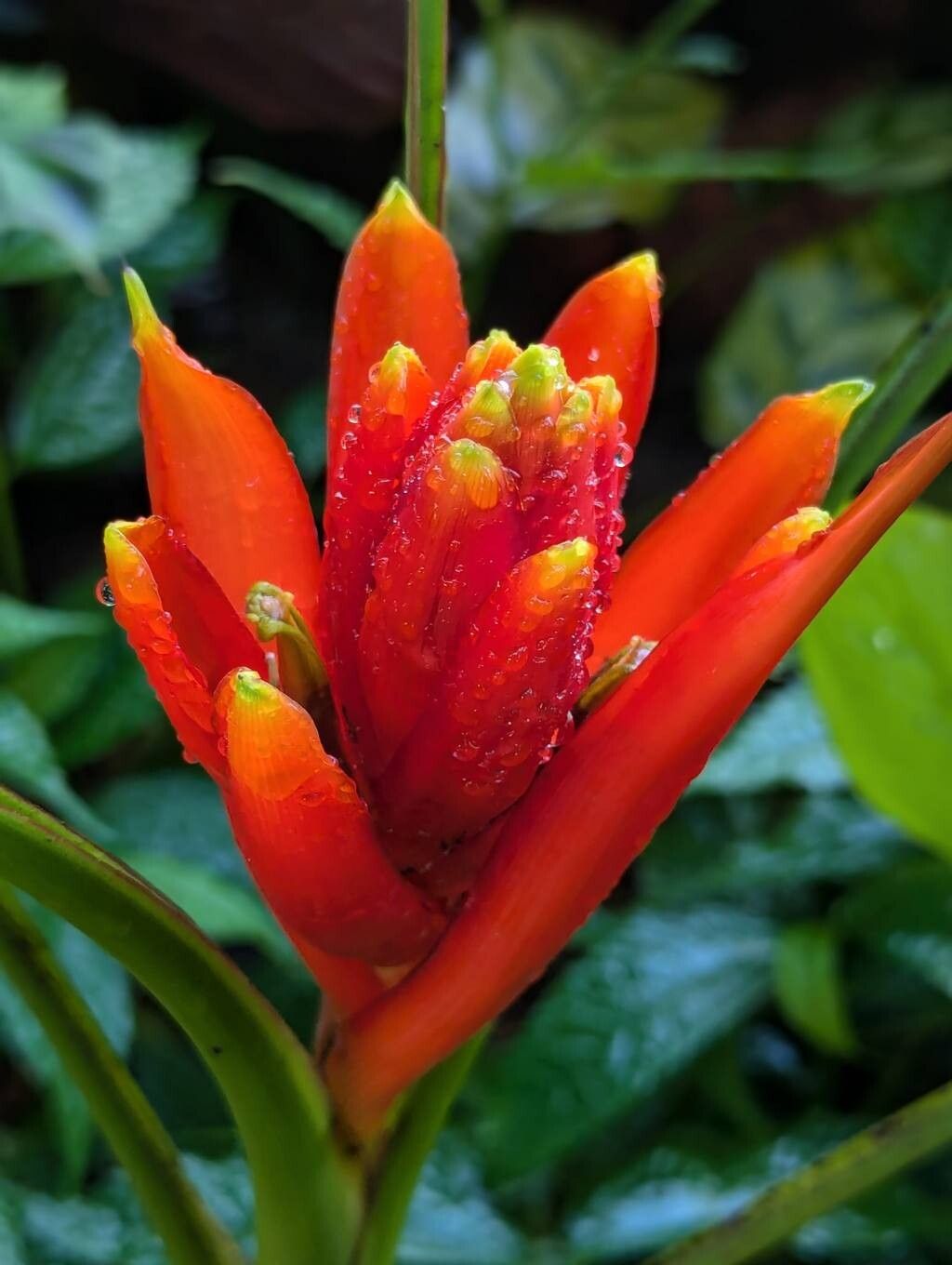
Musa troglodytarum, commonly known as the cave banana or wild banana, is a fascinating and relatively undomesticated species of banana. Unlike its sweeter, commercially grown cousins, Musa troglodytarum boasts a more savory, slightly acidic flavor and a firmer texture. Its horticultural significance lies not only in its unique culinary potential but also its adaptability to challenging conditions and its hardiness. While not as widely cultivated as dessert bananas, its intriguing characteristics have captured the interest of a growing number of gardeners seeking a unique addition to their collections. However, propagation presents unique challenges.
Seed Germination:
Currently, there are no known reliable methods for seed germination propagation of Musa troglodytarum. While the plant produces seeds, germination rates are extremely low, and successful seedling development is exceptionally rare. The challenges are likely linked to complex dormancy mechanisms and potentially stringent environmental requirements not easily replicated in a home setting.
Cuttings:
Propagating Musa troglodytarum from cuttings presents a more viable option than seed germination. However, it’s not a straightforward process.
Challenges: Success relies heavily on selecting healthy, mature suckers (offshoots) from the parent plant’s base. These suckers should show strong, established root systems and possess several leaves. Taking cuttings from weak or diseased plants drastically reduces the chances of success.
Practical Tips: Use a sharp, clean knife or shears to sever the sucker from the mother plant, ensuring a clean cut to minimize the risk of infection. Plant the sucker immediately in a well-draining potting mix, ensuring that the base of the sucker is buried slightly. Provide consistent moisture but avoid overwatering, which can lead to root rot. High humidity can aid establishment.
Rewards: Cutting propagation is relatively fast, producing new plants that are genetically identical to the parent, preserving desirable traits. It’s also a simpler method than tissue culture, making it accessible to home gardeners.
Division:
Division is a similar method to cuttings, focusing on the separation of established clumps.
Challenges: This technique is only feasible when the plant is mature and has formed a large clump with multiple pseudostems. Careful division is crucial to avoid damaging the root systems of the individual plants, which can severely compromise their survival.
Practical Tips: The division should be done during the plant’s dormant phase (if applicable) or during periods of less stress on the plant. Ensure each section has adequate roots and foliage. Plant the divided portions in well-prepared soil with good drainage.
Rewards: Division allows for the rapid multiplication of a desired cultivar and it is generally simpler than tissue culture.
Tissue Culture:
Tissue culture offers the most reliable and efficient method for large-scale propagation of Musa troglodytarum.
Challenges: This sophisticated technique requires specialized equipment, sterile conditions, and expertise in plant tissue culture protocols. It’s not a method readily accessible to amateur gardeners.
Practical Tips: This method requires a controlled environment with specific media, growth regulators, and aseptic techniques to prevent contamination. Successful tissue culture relies on skilled technicians and access to a well-equipped laboratory.
Rewards: Tissue culture ensures high propagation rates, disease-free plants, and the possibility for genetic improvement through selection.
Conclusion:
Propagating Musa troglodytarum presents several challenges, each propagation method with its own set of obstacles. While seed germination is unreliable, cuttings and division provide accessible options for home gardeners, albeit with a lower success rate compared to the more advanced tissue culture method. These challenges, however, only amplify the satisfaction derived from nurturing a successfully propagated cave banana plant. The unique flavor and resilience of this fascinating species make the effort well worthwhile. For aspiring propagators, patience, meticulous attention to detail, and a willingness to learn from both successes and failures are essential. Start with cuttings or division, and if scaling up, consider exploring the possibilities offered by tissue culture laboratories. The journey, despite its difficulties, is a rewarding testament to the enduring allure of plant cultivation.