
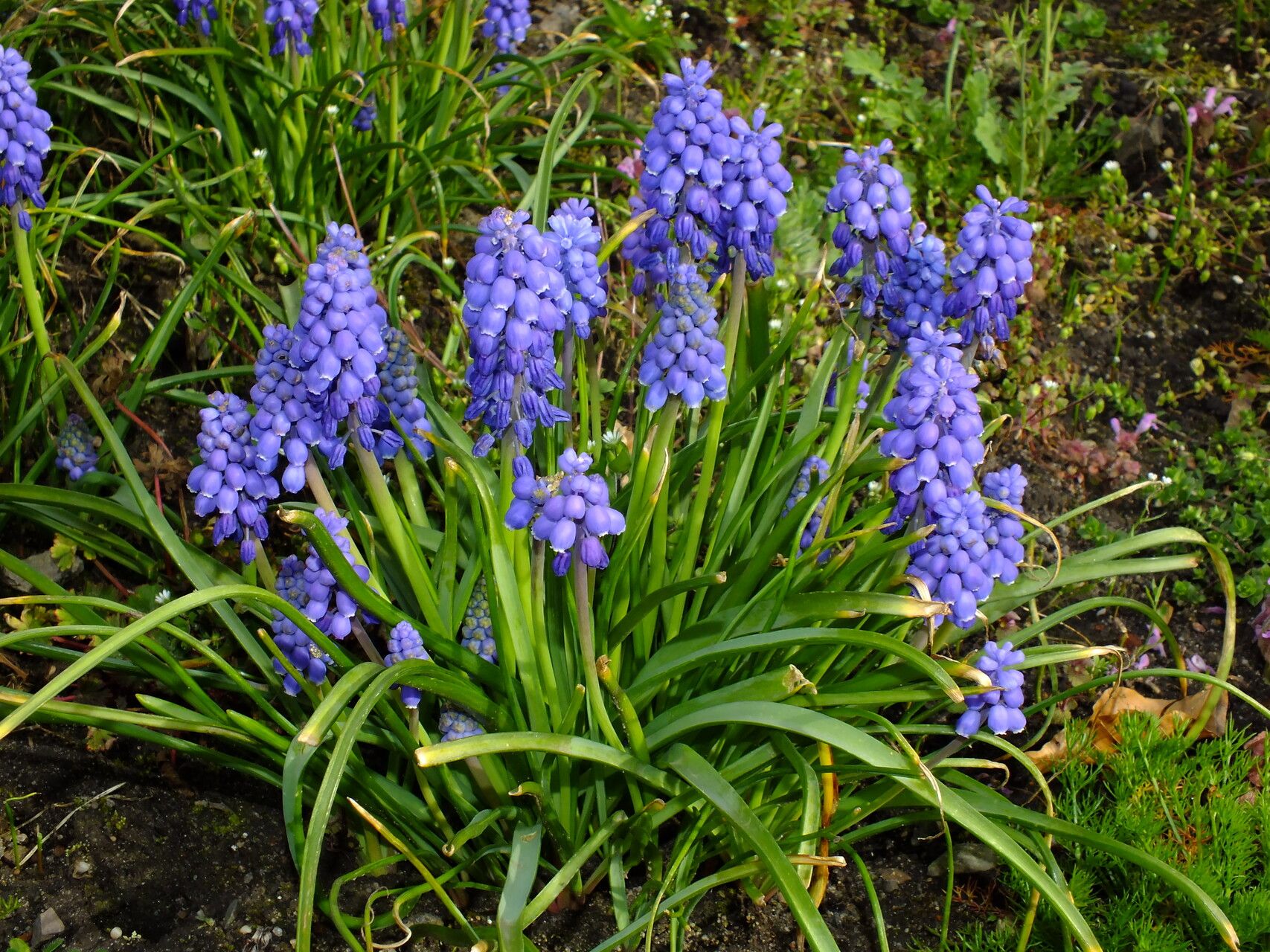
Unleash a Sea of Blue: Propagating Grape Hyacinths (Muscari armeniacum)
Muscari armeniacum, affectionately known as Grape Hyacinths, are a spring garden delight. These low-maintenance bulbs deliver charming clusters of tiny, bell-shaped flowers that resemble miniature grapes, typically in a captivating shade of blue, although white and pink varieties exist. While they effortlessly multiply on their own, you might want to take propagation into your own hands to either expand their presence in your garden or share the joy with friends. The good news is, propagating Grape Hyacinths is surprisingly easy and rewarding! Here’s how:
Two Main Methods: Bulbs and Seeds
You can propagate Grape Hyacinths in two ways: by dividing bulbs or planting seeds.
1. Bulb Division: The Faster Route to More Flowers
This method is the most popular and yields quicker results. Here’s how:
- Timing is Key: The ideal time is late summer or early fall when the foliage has died back but the soil is still workable.
- Gentle Unearthing: Carefully dig around the established clump, ensuring you don’t damage the bulbs. Gently lift the clump out of the ground.
- Division: Brush off excess soil and you’ll notice smaller offset bulbs clustered around the larger, parent bulbs. Carefully separate these offsets – they’re your ticket to new plants!
- Replanting: Choose a spot with well-drained soil and plenty of sunlight to partial shade. Plant the offsets 3-4 inches deep and about 2-3 inches apart. Water them well and wait for the magic to unfold next spring!
2. Seed Propagation: A Longer but Rewarding Journey
Propagating Grape Hyacinths from seed requires more patience, as it takes 2-3 years for them to bloom. However, it’s a fascinating process and a great way to experience the plant’s full life cycle.
- Seed Collection: After flowering, allow the seed pods to dry on the stalk. Once dry, they’ll turn brown and split open. Collect the tiny black seeds inside.
- Sowing: In autumn, sow the seeds in a seed tray or directly in a prepared outdoor bed. Cover them lightly with soil and keep the area moist.
- Patience is a Virtue: Be prepared to wait. Germination can be slow and sporadic. Once the seedlings are large enough to handle, thin them out, leaving the strongest ones with adequate spacing.
Tips for Success
No matter your chosen method, here are a few tips for successful Grape Hyacinth propagation:
- Well-Drained Soil is Crucial: Grape Hyacinths dislike sitting in soggy soil, which can lead to bulb rot. Amend your soil with compost to improve drainage.
- Sun or Shade? They’re Flexible! While they bloom best in full sun, Grape Hyacinths tolerate partial shade, making them versatile additions to various garden settings.
- Minimal Care Required: Once established, Grape Hyacinths require minimal care. Water them during dry spells, but avoid overwatering. Fertilize them lightly in the fall for optimal blooming the following spring.
Propagating your own Grape Hyacinths is a rewarding endeavor. With a little effort, you can multiply these charming bulbs, transforming your garden into a breathtaking sea of blue come springtime. So why not give it a try? You’ll be surprised at how easy it is to unleash their full, floral potential.