
Propagating Myosotis discolor: A Gardener’s Guide to the Variable Forget-Me-Not
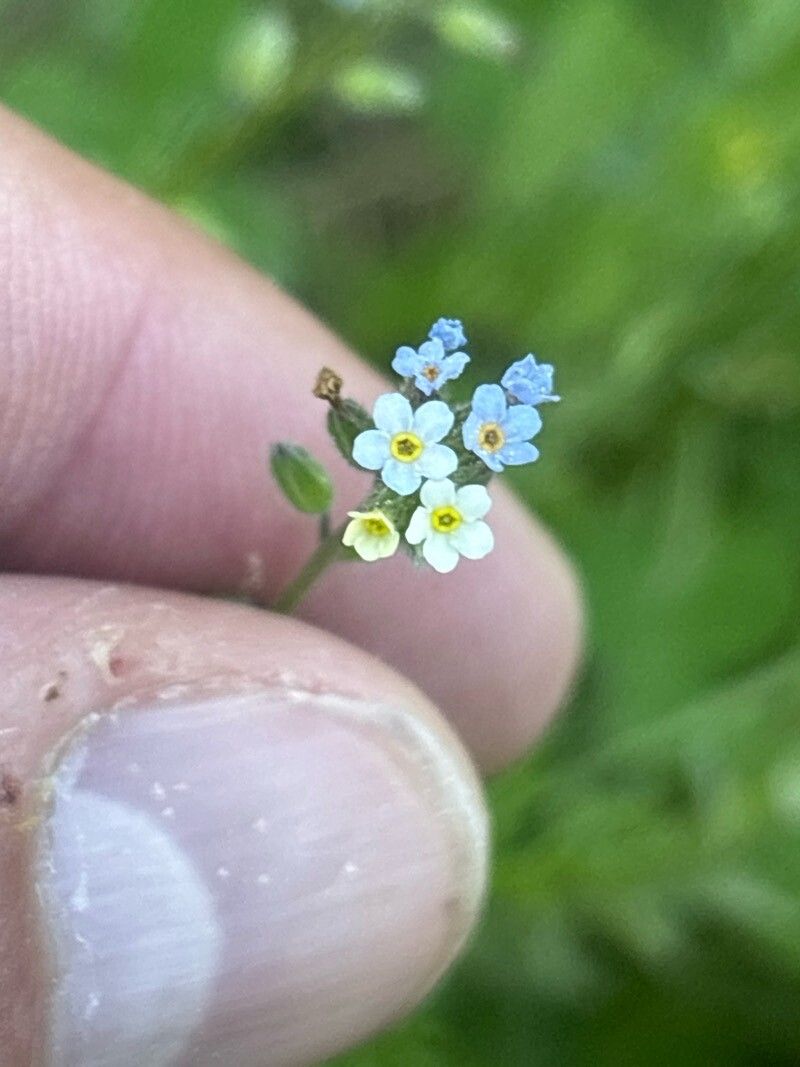
Myosotis discolor, commonly known as the variable forget-me-not, is a charming herbaceous perennial prized for its vibrant, often contrasting, blue and yellow flowers. Its delicate blooms, appearing in abundance from spring to summer, make it a beloved addition to gardens, rock gardens, and borders. While its inherent beauty is widely appreciated, propagating Myosotis discolor presents unique challenges and rewards for the enthusiastic gardener. Its ability to self-seed in favourable conditions is often its primary method of propagation in the wild, but controlled propagation for specific cultivars or wider garden use requires a more directed approach.
Seed Germination:
Seed germination is a viable method for propagating Myosotis discolor, though it’s not always straightforward. The primary challenge lies in ensuring proper stratification. Myosotis discolor seeds require a period of cold, moist stratification to break dormancy. This simulates the natural winter conditions they experience in their native habitats.
Challenges: Low germination rates are common if stratification is not performed correctly. Incorrect timing or temperature can lead to poor or no germination.
Practical Tips: Collect seeds from mature plants once they have fully dried. Mix the seeds with moist peat moss or vermiculite, place them in a sealed bag, and refrigerate for 6-8 weeks at temperatures between 33-40°F (0-4°C). After stratification, sow the seeds thinly onto a well-draining seed-starting mix, covering lightly with fine soil. Keep the soil moist but not waterlogged. Germination typically occurs within 2-4 weeks of sowing.
Rewards: Seed propagation offers the potential for high genetic diversity, leading to plants with varying characteristics. It allows for large-scale propagation, ideal for creating expansive displays in gardens or for commercial purposes.
Cuttings:
Propagating Myosotis discolor via cuttings is less reliable than seed germination.
Challenges: Myosotis discolor cuttings display a low rooting success rate. They are prone to rotting if not kept in optimal conditions regarding humidity and temperature.
Practical Tips: Softwood cuttings taken in spring or early summer may yield a small percentage of success. Dip the cuttings in rooting hormone and plant them in a moist, well-draining propagation mix under high humidity conditions, preferably using a propagation chamber or humidity dome.
Rewards: If successful, cuttings provide a means to quickly multiply selected cultivars, preserving desirable traits without the variability of seed propagation.
Division:
Division of established clumps is a relatively successful method for propagating Myosotis discolor.
Challenges: Division is only feasible for mature plants and can be rather damaging to the parent plant, reducing its vigour if improperly performed.
Practical Tips: Divide mature plants in spring or autumn. Carefully dig up the plant and gently separate the root ball into smaller sections, ensuring that each clump has sufficient roots and several healthy shoots. Replant the divisions immediately, ensuring that they are adequately watered.
Rewards: This method is straightforward and very reliable, producing quick results with established plants that clone the parent plant. Fewer risks are associated with the method compared to seed germination or cuttings.
Tissue Culture:
Currently, there are no widely published or readily available protocols for tissue culture propagation of Myosotis discolor. Further research is needed to determine the feasibility and efficiency of this method.
Conclusion:
Propagating Myosotis discolor presents varied levels of challenge depending on the chosen method. While seed germination offers the potential for genetic diversity and large-scale propagation, it requires careful stratification. Cuttings are less reliable but offer preservation of specific cultivars. Division provides a simpler method for established plants. Tissue culture remains largely unexplored.
The unique satisfaction derived from successfully propagating Myosotis discolor lies in overcoming these challenges. The delicate beauty of this plant makes the effort worthwhile. For aspiring propagators, patience, attention to detail, and a willingness to experiment are key to success. Don’t be discouraged by initial setbacks; the reward of a vibrant display of variable forget-me-nots is well worth the effort.