
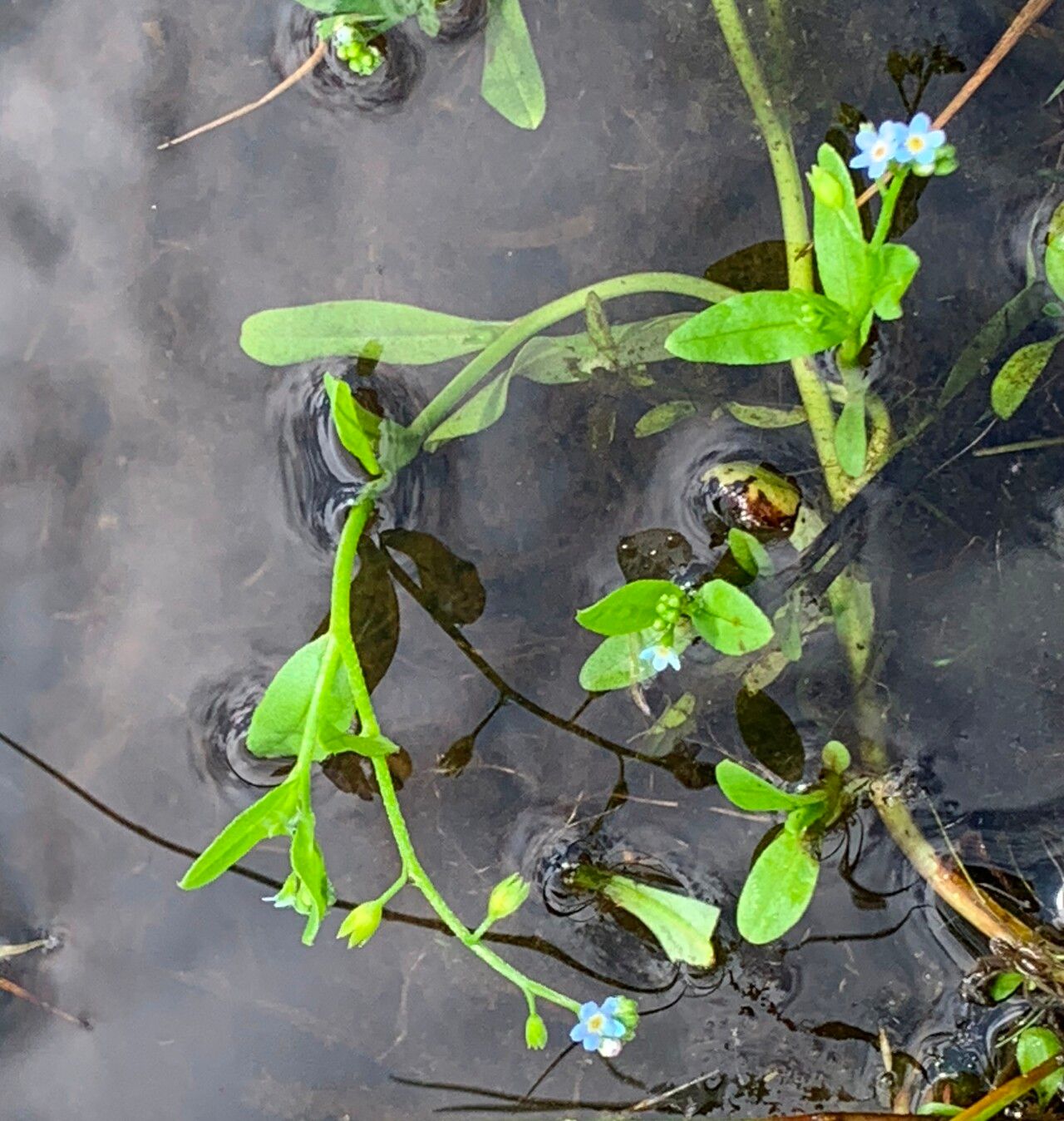
Forget-Me-Not, Remember These Tips: Propagating Myosotis Laxa
Myosotis laxa, more romantically known as the tufted forget-me-not, is a captivating sight with its delicate sky-blue flowers. Its charm lies in its ability to add a touch of wildness and whimsy to gardens and natural landscapes alike. If you’re enchanted by this lovely plant and want to spread its magic, propagation is the answer! This guide explores the simple yet rewarding methods for multiplying your Myosotis laxa.
Propagation Power: Seed vs. Division
Myosotis laxa offers two primary pathways to propagation:
- Seed: This method, favored by nature, involves collecting seeds and providing them with the right conditions to germinate.
- Division: A more hands-on approach, division entails splitting mature plants to create new, independent ones.
Sowing Seeds: A Dance with Nature
- Timing is Key: While Myosotis laxa seeds can be sown in spring or early fall, fall sowing often yields better results. This timing mimics the plant’s natural cycle, allowing seeds to benefit from cooler temperatures and winter stratification (a period of cold that promotes germination).
- Sowing with Care: Sprinkle your collected seeds on the surface of a seed starting mix, pressing them in gently. Ensure they receive bright, indirect light and maintain consistent moisture.
- Patience, Young Gardener: Germination typically takes 1-3 weeks. Thin seedlings to provide adequate space (around 6-8 inches apart), giving the strongest ones room to thrive.
Division Delights: A Hands-On Approach
- When Spring Unfurls: Early spring is the perfect time for division, just as new growth begins to emerge.
- Unveiling the Roots: Carefully dig up your mature Myosotis Laxa plant, ensuring you lift a good portion of the root system.
- The Art of Separation: Using a sharp, clean knife or garden shears, divide the plant into clumps. Each division should have a healthy root system and several shoots.
- New Beginnings: Replant your divisions at the same depth they were originally growing, watering them in thoroughly.
Nurturing Your Newest Additions
Whether you’ve opted for seeds or division, a little TLC goes a long way in ensuring your new Myosotis Laxa thrives:
- Soil Savvy: These plants prefer moist, well-drained soil that is slightly acidic to neutral.
- Sun Seeker or Shade Lover?: While Myosotis Laxa can tolerate partial shade, it produces the most blooms in a sunny spot that receives at least 4-6 hours of sunlight per day.
- Water Wisely: Keep the soil consistently moist but avoid waterlogging. Mulching around the plants can help retain soil moisture.
- Feeding for Flourishing: While not heavy feeders, applying a balanced fertilizer in spring will provide a gentle nutrient boost.
A Garden Filled with Forget-Me-Nots:
Propagating Myosotis Laxa isn’t just about multiplying plants; it’s about multiplying joy. By mastering these techniques, you are empowered to share the beauty of this beloved wildflower, creating a tapestry of blue blooms that will enchant your garden and attract a flurry of pollinators for seasons to come. Don’t forget, success in propagation comes from patience and observation, so embrace the journey and enjoy the rewards of your green thumb.