
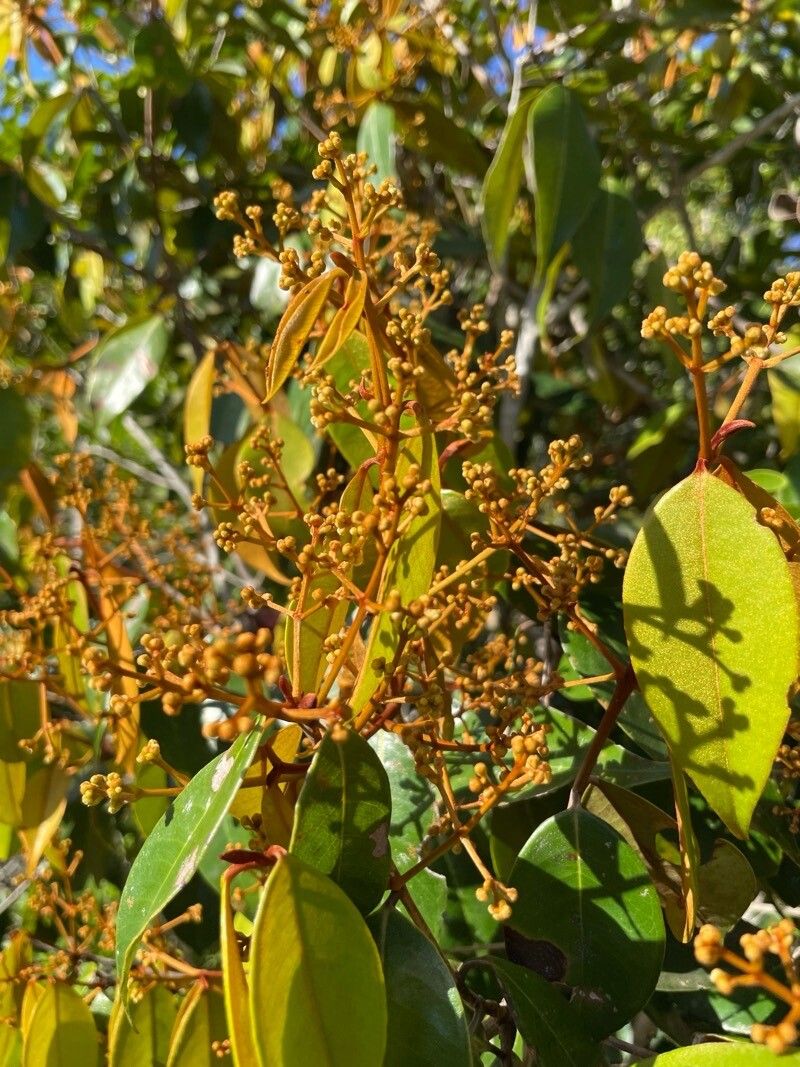
Unveiling the Secrets of Myrcia Bergiana Propagation: A Guide for Growing this Brazilian Beauty
Myrcia bergiana, with its glossy leaves, delicate white flowers, and vibrant red berries, is a captivating addition to any garden. Native to the Atlantic Forest of Brazil, this evergreen shrub, also known as “guavira,” is prized not only for its ornamental value but also for its flavorful fruits used in juices and jellies. While finding this exotic beauty in your local nursery might be a challenge, propagating Myrcia bergiana at home is achievable with a bit of patience and the right techniques. Let’s delve into the secrets of multiplying this botanical gem!
Two Paths to Propagation:
Myrcia bergiana can be propagated through two primary methods – seeds and cuttings. Each technique comes with its own set of pros and cons:
1. Seed Propagation: A Test of Patience
- Pros: Seeds offer the potential to grow a large number of plants, and you might be lucky enough to find some online or through specialist nurseries.
- Cons: Seed germination can be slow and unpredictable, often taking several weeks or even months. Additionally, plants grown from seeds may exhibit variations from the parent plant and take longer to bear fruit.
How to propagate Myrcia bergiana from seed:
- Source fresh, ripe berries: Look for plump, brightly colored berries on a healthy Myrcia bergiana plant.
- Extract and clean the seeds: Carefully remove the seeds from the fruit pulp. Rinse them thoroughly to remove any remaining flesh and allow them to dry completely.
- Sow the seeds: Prepare a seed tray or small pots with a well-draining seed-starting mix. Sow the seeds about half an inch deep and mist them gently with water.
- Provide warmth and humidity: Cover the tray with a plastic dome or wrap to create a humid environment and place it in a warm, bright location, out of direct sunlight.
- Be Patient: Germination can take a while, so don’t be discouraged if you don’t see sprouts immediately. Keep the soil consistently moist but not waterlogged.
- Transplant seedlings: Once the seedlings have developed a few sets of true leaves, they can be carefully transplanted into individual pots filled with well-draining potting mix.
2. Cuttings: Faster Results with a Higher Success Rate
- Pros: Cuttings typically root faster than seeds and offer a higher success rate. You are also guaranteed to get a plant genetically identical to the parent plant.
- Cons: Finding a suitable source for cuttings might be challenging, as you’ll need access to a healthy, mature Myrcia bergiana plant.
How to propagate Myrcia bergiana from cuttings:
- Choose healthy stems: Select semi-hardwood cuttings, about 4-6 inches long, from the current year’s growth. Look for stems that are firm but not too woody.
- Prepare the cuttings: Remove the leaves from the lower third of the cutting and make a clean cut just below a leaf node.
- Apply rooting hormone (optional): Dipping the cut end in rooting hormone powder can encourage faster and more successful rooting.
- Plant the cuttings: Fill small pots with a well-draining potting mix and make a hole in the center. Carefully insert the cutting into the hole, ensuring that the leaf nodes are buried.
- Create a humid environment: Cover the pot with a plastic bag or humidity dome to maintain moisture. Place the cutting in a bright location, out of direct sunlight.
- Monitor for root development: Keep the soil consistently moist and check for root development after a few weeks. Gently tug on the cutting; resistance indicates roots have formed.
- Transplant rooted cuttings: Once the cuttings have developed a strong root system, they can be transplanted into larger pots or directly into the garden.
A Rewarding Journey:
Propagating Myrcia bergiana requires some dedication but seeing this beautiful plant thrive in your own space makes all the effort worthwhile. Whether you choose the patient route of seed propagation or the faster rewards of cuttings, enjoy the journey of cultivating this unique and rewarding Brazilian beauty!