
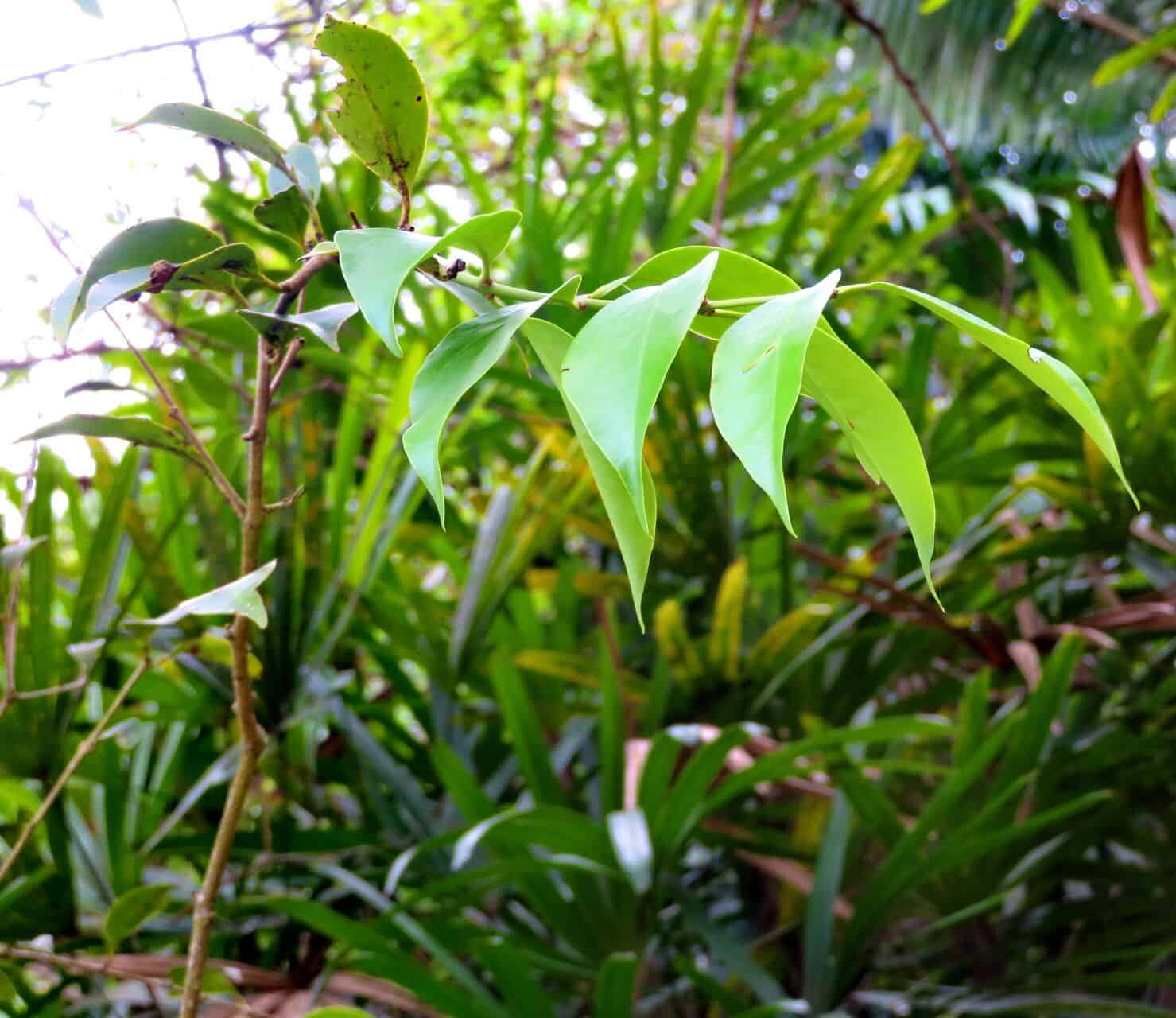
Unlock the Secrets: Propagating the Versatile Myrcia multiflora
The Myrcia multiflora, known for its beautiful fragrant blossoms and delicious edible berries, deserves a place in every plant lover’s garden. This versatile plant, native to South America, is not just aesthetically pleasing but also boasts a rich history in traditional medicine. But how do you invite this wonder into your own backyard? While finding it at your local nursery might be a challenge, propagating Myrcia multiflora is surprisingly straightforward.
This guide will explore two effective methods for multiplying your stock:
1. Seed Propagation: A Journey of Patience and Reward
While slightly more time-consuming, propagating from seed allows you to witness the full lifecycle of your Myrcia multiflora. Here’s how:
- Harvesting Seeds: Collect ripe, dark berries from a healthy Myrcia multiflora plant. Gently squeeze the berries to extract the small seeds within.
- Seed Preparation: Cleanse the seeds of any remaining fruit pulp and allow them to air dry for a day.
- Sowing: Fill seed trays or small pots with a well-draining seed starting mix. Sow the seeds about 1/2 inch deep and mist them lightly with water.
- Location & Care: Place your seed trays in a warm, brightly lit area, but out of direct sunlight. Maintaining a consistently moist (but not soggy) environment is key. Using a spray bottle to water can prevent disturbing the seeds.
- Germination: Be patient! Myrcia multiflora seeds can take anywhere from a few weeks to a couple of months to sprout.
- Transplanting: Once the seedlings have developed a couple of sets of true leaves and are a few inches tall, transplant them into individual pots filled with a well-draining potting mix.
2. Cuttings: A Faster Route to Success
For quicker results, propagating from cuttings is the way to go. Follow these steps:
- Taking Cuttings: Select healthy, semi-hardwood stems (approximately 4-6 inches long) from the current year’s growth. Using a sharp, sterilized knife or pruning shears, make a clean cut just below a leaf node.
- Preparing the Cuttings: Remove the lower leaves from the cutting, leaving only a couple at the top. You can also wound the base of the cutting slightly by scraping off a thin layer of bark, which can encourage root development.
- Rooting Hormone (Optional): While not essential, dipping the base of your cutting in rooting hormone can improve success rates.
- Planting: Insert the prepared cuttings into small pots containing a well-draining mix of peat moss and perlite. Gently firm the mix around the cuttings to provide support.
- Creating a Humid Environment: Cover the cuttings with a clear plastic bag or a humidity dome to retain moisture and promote root development.
- Care & Observation: Place your cuttings in a warm, bright location, out of direct sunlight. Keep the soil consistently moist but not waterlogged. After a few weeks, gently tug on the cuttings to check for resistance, a sign of root development.
- Transplanting: Once your cuttings show strong root growth, they can be transplanted into larger pots or directly into your garden.
Tips for Success:
- Well-Draining Soil: Myrcia multiflora thrives in well-drained soil, preventing root rot.
- Sunlight Requirements: Ensure your plants receive ample sunlight, ideally 4-6 hours daily.
- Watering: Water regularly, allowing the soil surface to dry slightly between waterings.
With the right knowledge and a touch of patience, you can successfully propagate your own Myrcia multiflora and enjoy its beauty, fragrance, and delicious bounty for years to come. Happy planting!