
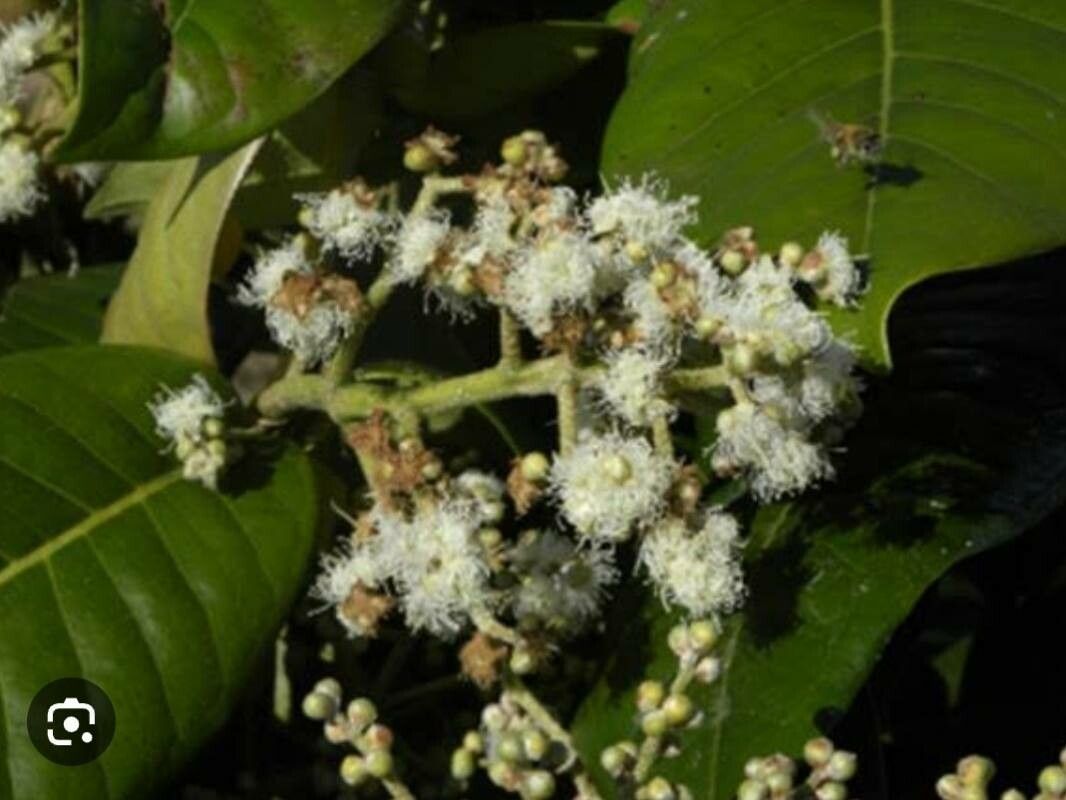
Unlocking Growth: The Secrets to Propagating Myrcia strigipes
If you’re a plant enthusiast with a passion for exotic and rare species, then you’re likely familiar with the allure of the Myrcia strigipes, also known as the “Pink Velvet” myrtle. Its unique, stunning foliage and charming flowers make it a true standout in any collection. But acquiring this plant can be a challenge, as it’s not always readily available. Luckily, you can easily grow your own Myrcia strigipes through propagation!
Understanding the Process
Propagation is the art of creating new plants from existing ones. For Myrcia strigipes, two methods are particularly effective: cuttings and air layering.
Method 1: Cuttings
- When to take cuttings: The best time to take Myrcia strigipes cuttings is during the active growing season, from spring to summer.
- Preparing the cuttings: Choose healthy, mature stems that have not flowered yet. Make a clean, sharp cut just below a node (where leaves grow). Aim for cuttings that are 4-6 inches long.
- Root hormone: Dipping the cut end of the cutting in rooting hormone can significantly increase the chances of successful rooting.
- Planting: Plant the cuttings into a well-draining potting mix. Water thoroughly and cover the pot with a plastic bag or dome to create a humid environment.
- Care: Place the pot in an area with bright, indirect light and maintain the potting mix moist (not soggy).
- Patience: Be patient! Cuttings may take several weeks or months to root, depending on the climate and individual plant.
Method 2: Air Layering
- Timing is key: Air layering can be done throughout the growing season, but best results are often achieved in spring or early summer.
- Choosing the branch: Select a healthy, flexible branch that’s at least a year old.
- The layering process: Make a shallow cut around the branch, about 2 inches long. Apply rooting hormone to the cut area and wrap it in moist sphagnum moss. Secure the moss with plastic wrap or a mini-greenhouse.
- Patience again: Keep the sphagnum moss consistently moist and wait for roots to develop, which can take several months.
- Detaching: Once new roots have formed, gently cut the layered section below the roots and remove the plastic wrap. Plant the newly rooted section into a pot.
Tips for Success
- Moisture is vital: The success of both methods depends on maintaining a consistently moist environment. Regularly check the potting mix and sphagnum moss to ensure they retain adequate moisture.
- Avoid direct sunlight: Protect your cuttings and air layers from direct sunlight, which can dry them out quickly and hinder their growth.
- Ventilation: While maintaining humidity is key, always ensure sufficient ventilation to prevent fungal diseases.
- Patience is your ally: Observe your cuttings and layered branches and adjust your approach as needed. Patience and a watchful eye are instrumental in the propagation process.
Enjoy Your Success
Growing your own Myrcia strigipes is a fantastic experience. Not only does it allow you to expand your plant collection, but it also allows you to witness the marvels of nature firsthand. With a bit of patience and care, you’ll soon be the proud owner of a beautiful, vibrant Pink Velvet myrtle grown from your own propagation efforts.