
Propagating the White-Leaved Myrcianthes: A Gardener’s Guide to Myrcianthes leucoxyla
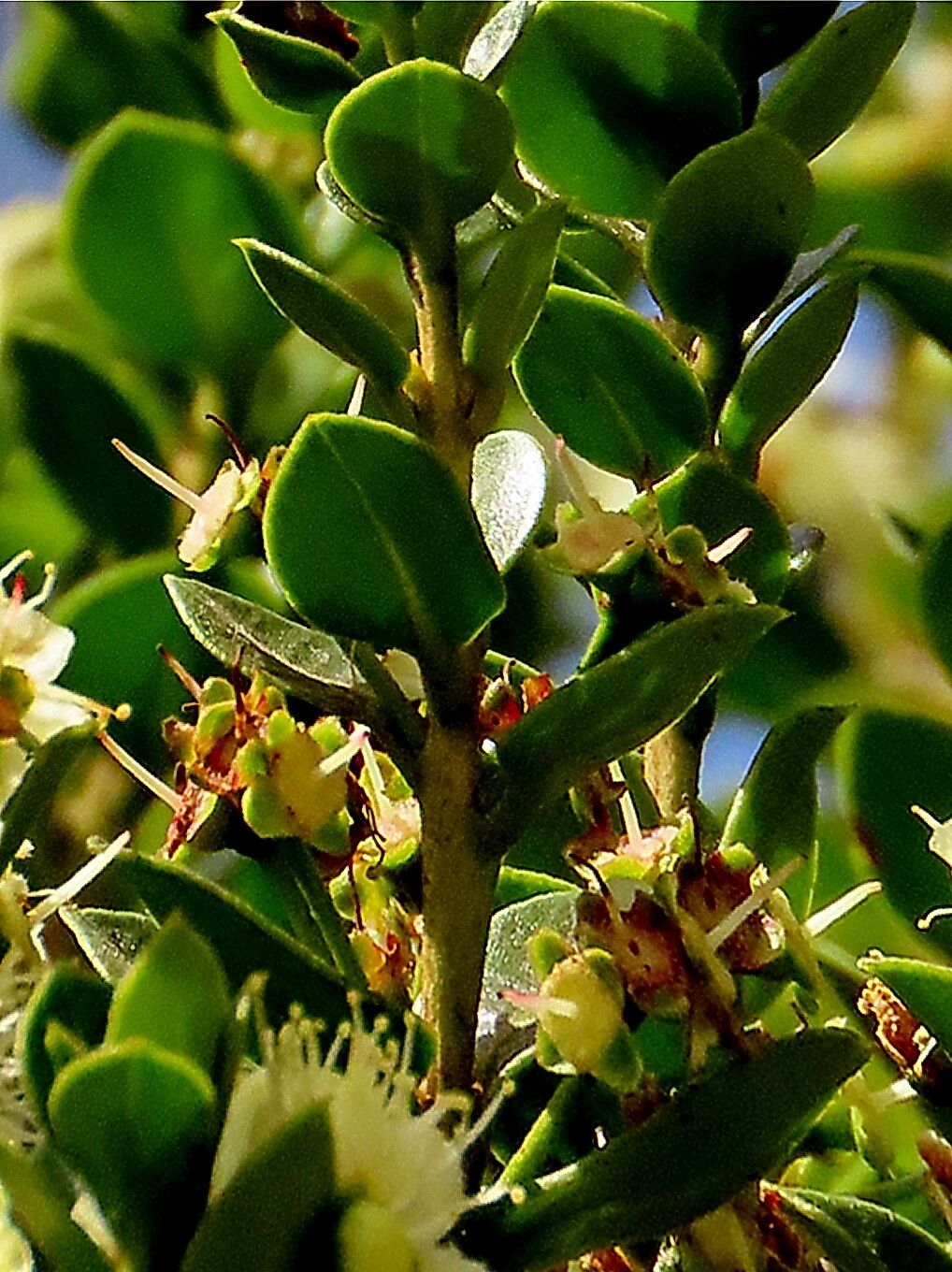
Myrcianthes leucoxyla, sometimes called the White-leaved Myrcianthes (though common names are not widely standardized), is a captivating evergreen shrub or small tree prized for its attractive, often whitish- or silvery-toned foliage and its potential for beautiful, small, edible fruits. Its relatively slow growth and unique appearance make it a sought-after plant among gardeners seeking unusual additions to their landscapes. However, propagation can present certain challenges. This article explores various methods, highlighting their feasibility and practical considerations.
Seed Germination:
Currently, there are no known reliable methods for seed germination propagation of Myrcianthes leucoxyla. While seeds may be produced, their viability and germination rates are exceptionally low. Further research is needed to determine optimal germination conditions, if any exist. The challenges likely stem from dormancy mechanisms within the seeds, potentially requiring specialized stratification or pre-treatment techniques yet to be discovered.
Cuttings:
Cuttings offer a more promising approach to propagating Myrcianthes leucoxyla. Semi-hardwood cuttings, taken in late summer or early autumn, generally yield the best results.
Challenges: Rooting can be slow and inconsistent. The success rate depends heavily on factors like cutting maturity, humidity, temperature, and the use of rooting hormones.
Practical Tips: Use a sharp, clean blade to take cuttings of about 4-6 inches long, removing lower leaves to prevent rot. Dip the cut ends in a rooting hormone powder before planting them in a well-draining propagation mix (e.g., perlite and peat moss). Maintain high humidity using a propagation dome or humidity tent. Bottom heat can also significantly improve rooting success.
Rewards: Cuttings produce clones of the parent plant, ensuring identical characteristics are preserved. This makes it ideal for preserving desirable traits in cultivated varieties. While not as diverse genetically as seed propagation, it is a more reliable and faster method for smaller scale propagation.
Division:
Division is not a practical method for propagating Myrcianthes leucoxyla. This species generally does not produce readily separable root suckers or offshoots suitable for division.
Tissue Culture:
Tissue culture offers a potentially highly successful method, particularly for large-scale propagation and the production of disease-free plants.
Challenges: Although promising, tissue culture requires specialized equipment, sterile techniques, and expertise in plant tissue culture protocols. The specific media and hormone requirements for Myrcianthes leucoxyla would need to be determined through experimentation.
Practical Tips: This technique would involve establishing sterile cultures from shoot tips or other suitable explants and growing them in a controlled environment using nutrient media.
Rewards: Tissue culture allows for rapid and large-scale propagation, producing many genetically identical plants from a single original plant. This method is particularly advantageous for preserving rare or valuable cultivars.
Conclusion:
Propagating Myrcianthes leucoxyla presents unique challenges. Seed germination is currently unreliable, while division is impractical. Cuttings offer a reasonably accessible method, albeit with variable success rates improved with careful attention to detail. Tissue culture holds the best potential for efficient, large-scale propagation, but requires specialized knowledge and resources.
The satisfaction of successfully cultivating Myrcianthes leucoxyla lies partly in overcoming these propagation hurdles. The unique silvery foliage and potential for fruiting reward the diligent gardener for their patience and perseverance. Whether you choose cuttings or explore the more advanced techniques of tissue culture, the journey of propagation will be a rewarding experience, adding to the appreciation of this distinctive plant. Don’t be discouraged by initial setbacks—experimentation and understanding are key to success.