
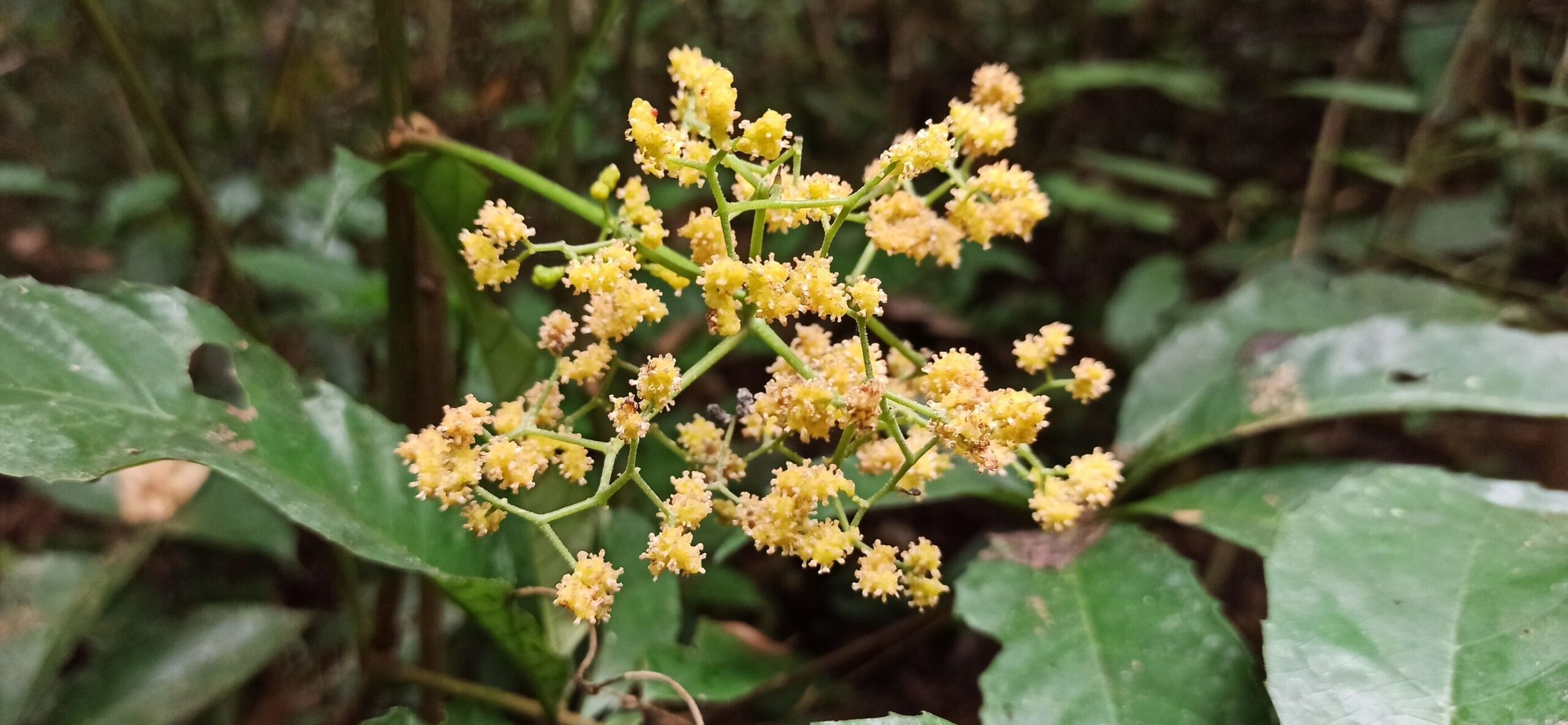
Unveiling the Secrets of the African Breadfruit: Propagating Myrianthus preussii
The African Breadfruit, scientifically known as Myrianthus preussii, is a fascinating and valuable tree native to the tropical rainforests of Africa. Prized for its nutritious, bread-like fruit and versatile medicinal properties, it’s gaining attention from gardeners and food enthusiasts alike. However, propagating this tropical gem can be a rewarding, albeit slightly challenging, endeavor. This article dives into the fascinating world of Myrianthus preussii propagation, equipping you with the knowledge to grow your own majestic African Breadfruit.
Two Paths to Propagation:
Myrianthus preussii can be propagated through two primary methods: seeds and cuttings. Each technique comes with its own set of advantages and challenges.
1. The Seed Route:
Propagating from seeds offers a rewarding experience, allowing you to witness the entire life cycle of your Myrianthus preussii. However, it’s essential to note that this method can be more time-consuming and may require patience.
- Sourcing Seeds: Obtaining viable seeds is the first step. You can try sourcing them online from reputable retailers specializing in exotic seeds or connect with botanical gardens and arboretums that may have specimens.
- Seed Preparation: Myrianthus preussii seeds possess a hard seed coat that necessitates scarification to enhance germination rates. Gently rubbing the seed coat with sandpaper or making a small nick with a file can facilitate water absorption and expedite germination.
- Sowing the Seeds: Utilizing a well-draining seed starting mix is crucial. Sow the scarified seeds about 1 inch deep in moist soil. Maintain a consistently warm temperature (around 75-85°F or 24-29°C) and keep the soil moist but not waterlogged.
- Germination Patience: Germination can be erratic, ranging from a few weeks to several months. Patience is key! Once the seedlings emerge and develop a few sets of true leaves, they can be carefully transplanted into individual pots.
2. Taking the Cutting Edge:
Propagating through cuttings, also known as vegetative propagation, offers a quicker route to mature plants compared to seeds. This method involves taking sections of stems and encouraging them to develop roots.
- Choosing the Right Cuttings: Select healthy, semi-hardwood cuttings from a mature, disease-free Myrianthus preussii tree. Ideal cuttings are about 6-8 inches long and taken from the current season’s growth.
- Preparing the Cuttings: Remove the leaves from the lower one-third of the cutting. Dipping the cut end in rooting hormone powder can significantly increase the chances of successful root development.
- Planting the Cuttings: Plant the cuttings in a well-draining potting mix, burying at least one node below the soil surface. Maintaining moisture and humidity is critical for the cuttings to thrive. Using a humidity dome or enclosing the pot in a plastic bag can help create a suitable microclimate.
- Root Development: With proper care, roots should start developing in a few weeks. Once the cuttings show signs of new growth, it indicates successful root establishment, and they can gradually be acclimated to outdoor conditions.
Nurturing Your Myrianthus Preussii:
Regardless of the propagation method you choose, providing optimal growing conditions is vital for your Myrianthus preussii to thrive. This tropical tree flourishes in warm, humid environments and prefers well-draining soil rich in organic matter. Regular watering is essential, but avoid waterlogging. Partial shade to full sun conditions is ideal.
Propagating Myrianthus preussii can be an immensely rewarding experience, allowing you to cultivate this valuable and majestic tree. By understanding the intricacies of both seed propagation and taking cuttings, you’re well on your way to nurturing your own piece of Africa’s botanical heritage.