
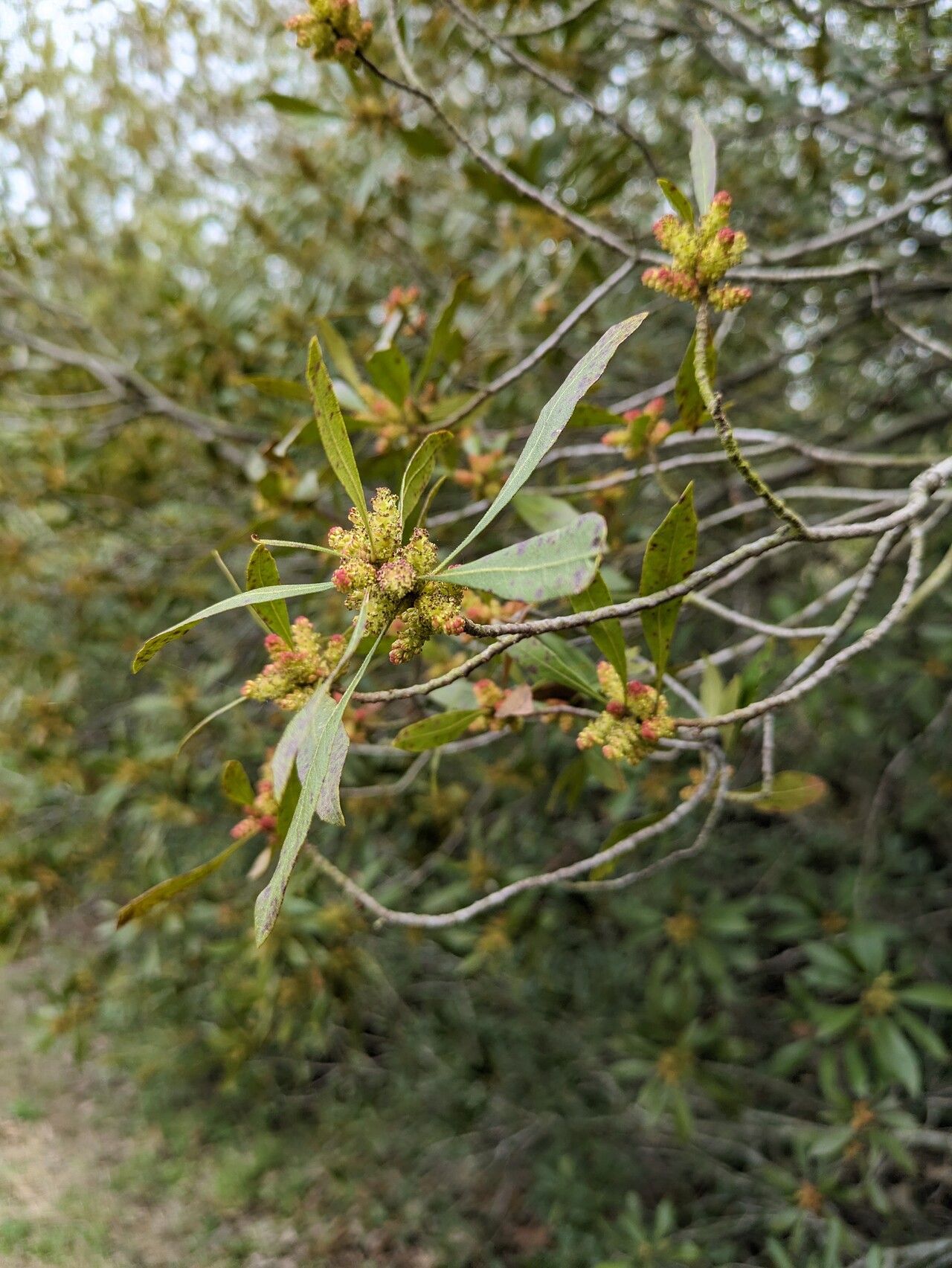
Wax On, Grow On: Propagating the Versatile Southern Wax Myrtle
The Southern Wax Myrtle (Myrica cerifera), also known as candleberry or bayberry, is a tough and adaptable evergreen shrub native to the southeastern United States. Beloved for its aromatic foliage and ability to thrive in challenging conditions, this plant is an excellent choice for gardens seeking both beauty and resilience. If you’re hoping to multiply your Myrica cerifera or share its charm with others, propagation is surprisingly straightforward. This guide will walk you through the two main methods:
1. Propagation from Seed:
Timing is Key: Collect ripe berries from late summer into fall. You’ll recognize them by their characteristic waxy, bluish-white coating.
Prepping for Success:
- Remove the waxy coating: Gently rub the berries over a hardware cloth screen to remove the outer layer. This process, called “scarification,” helps water penetrate the seed coat.
- Cold Stratification: Myrica cerifera seeds benefit from a period of cold dormancy. Place the cleaned seeds in a damp paper towel inside a sealed plastic bag and store them in your refrigerator for at least 60 days.
Sowing the Seeds:
- In Spring: After the last frost, plant the seeds in a seed-starting mix, lightly covering them with soil. Keep the soil consistently moist and warm.
- Direct Sowing: In warmer climates with mild winters, you can sow seeds directly outdoors in the fall.
2. Propagation from Semi-Hardwood Cuttings:
Timing is Crucial: The ideal time for this method is late summer or early fall, when the plant’s new growth has started to harden slightly.
Making the Cut (Literally):
- Select healthy stems: Choose stems that are from the current year’s growth and feel somewhat firm but still flexible.
- Cuttings with Potential: Use a sharp, clean knife or pruning shears to take cuttings that are about 4-6 inches long. Remove the leaves from the bottom third of each cutting.
- Rooting Hormone Boost (Optional): While not strictly necessary, dipping the cut end in rooting hormone powder can increase the chances of success.
Creating a Rooting Environment:
- Planting Medium: Use a well-draining potting mix, or create your own using peat moss and perlite.
- Moisture is Key: Keep the potting mix consistently moist but not waterlogged.
- Humidity Helps: Cover the container with a plastic bag or humidity dome to create a warm, humid environment.
Patience is a Virtue: Rooting can take several weeks. Once you see new growth, you’ll know the cuttings have successfully rooted.
Transplanting Your Success:
Whether you’ve chosen seed or cutting propagation, transplant your young Myrica cerifera plants to individual pots or your garden bed once they are large and sturdy enough. Remember to choose a location with full sun to partial shade and well-drained soil.
With a little patience and care, you can easily propagate Myrica cerifera and enjoy the beauty and benefits of this versatile plant for years to come.