
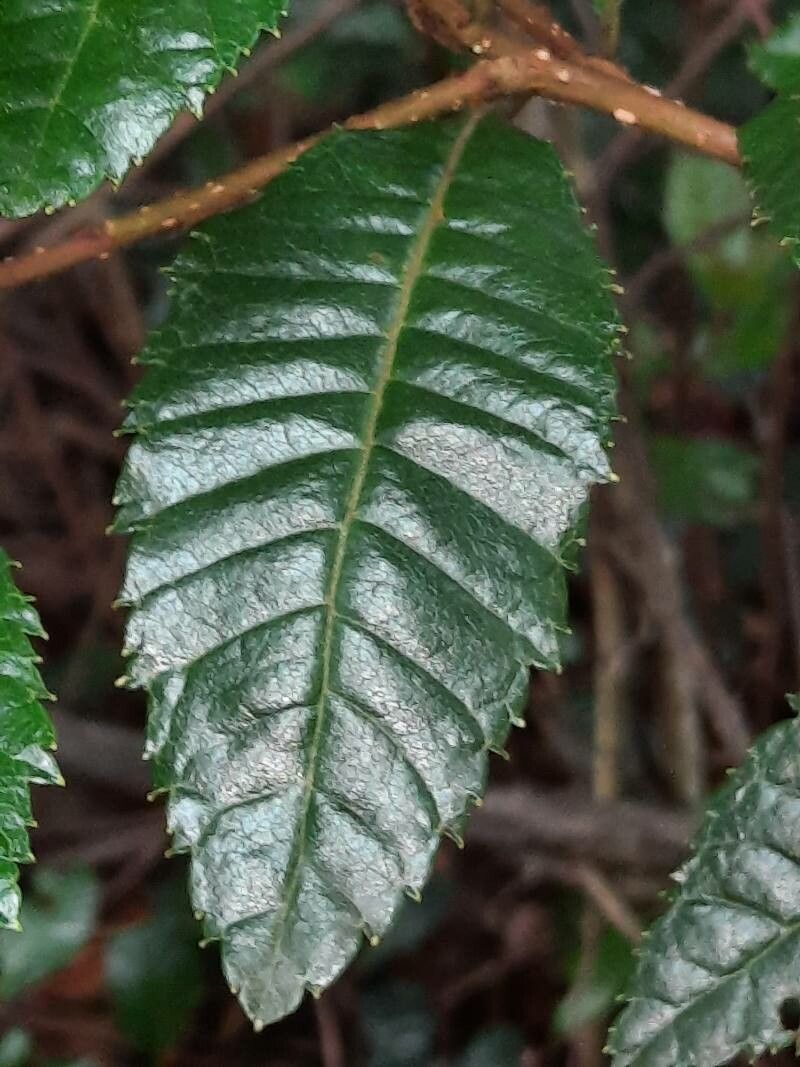
Beyond the Bog: Exploring Propagation Techniques for Myrica pubescens
Myrica pubescens, also known as the Hairy Wax Myrtle or Southern Bayberry, is a fascinating shrub with a rich history and a knack for thriving where other plants hesitate. Native to the Americas, this resilient species boasts fragrant leaves, waxy berries attractive to birds, and an extraordinary ability to fix nitrogen in the soil, making it a boon for surrounding plant life.
Are you interested in inviting this unique and beneficial plant into your garden? Look no further! This guide will delve into the world of Myrica pubescens propagation, exploring the most effective methods to successfully grow new plants and help spread its remarkable presence.
Seed Propagation: Embracing the Challenge
Myrica pubescens primarily reproduces through seeds, which can be found nestled within the small, grayish berries. While propagation from seed requires patience, it offers a rewarding journey for plant enthusiasts.
Here’s what you need to know:
Seed Collection and Preparation: Harvest ripe berries in late summer or early fall. Gently crush the berries to extract the small, hard seeds within, making sure to rinse away any pulp residue. Myrica pubescens seeds benefit from a period of cold stratification to break dormancy. You can achieve this by storing the cleaned seeds in a moist paper towel inside your refrigerator for 6-8 weeks.
Sowing: Once stratified, sow the seeds in a well-draining seed starting mix, lightly pressing them into the surface. Keep the soil consistently moist but not soggy.
- Patience is Key: Germination can be slow and erratic, taking anywhere from a few weeks to several months. Be patient and continue to provide appropriate moisture and indirect sunlight during this period.
Cutting Propagation: A Quicker Path
Looking for a quicker propagation method? Myrica pubescens can also be propagated from semi-hardwood cuttings, ideally taken during the summer months.
Follow these steps for success:
Taking the Cutting: Select healthy, non-flowering stems from the current year’s growth. Using a sharp, clean knife or pruning shears, take cuttings about 4-6 inches long, making a clean cut just below a leaf node.
Preparing the Cutting: Remove the leaves from the bottom third of the cutting. To encourage rooting, you can dip the cut end in rooting hormone powder, though this isn’t strictly necessary.
Planting and Care: Plant the prepared cuttings in a well-draining potting mix, ensuring that at least one leaf node is buried. Water thoroughly and cover the pot with a plastic bag or humidity dome to create a warm, humid environment.
- Rooting: Cuttings typically root within 4-8 weeks. Once new growth appears, you can gradually acclimate the young plants to outdoor conditions before transplanting them to their permanent location.
Tips for Success:
- Well-Draining Soil: Myrica pubescens thrives in moist but well-drained soil.
- Sun Exposure: Choose a location that receives full sun to partial shade.
- Watering: While relatively drought tolerant once established, young plants require regular watering.
- Patience: Remember that patience is crucial when propagating Myrica pubescens.
By understanding the unique requirements of this extraordinary plant and choosing the propagation method that best suits your needs and resources, you can successfully cultivate Myrica pubescens and enjoy its beauty, fragrance, and ecological benefits for years to come.