
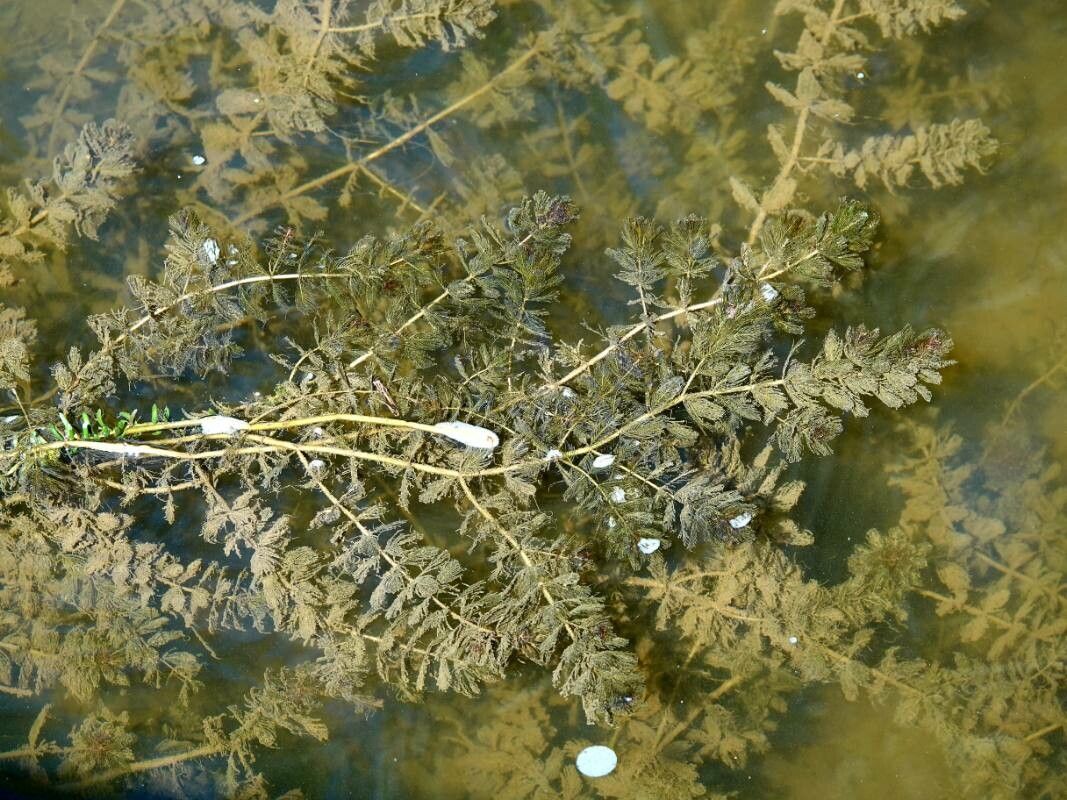
Eurasian Watermilfoil: A Plant with a Secret Weapon – Propagation!
Have you ever admired the feathery underwater beauty of Eurasian watermilfoil (Myriophyllum spicatum)? This plant, native to Europe and Asia, has become a popular (but sometimes invasive) addition to freshwater aquariums and ponds. But what about expanding your own population of this fascinating plant? Here’s the secret: Eurasian watermilfoil has a “secret weapon” for propagating: its ability to reproduce both sexually and asexually!
A Sexual Side to This Aquatic Beauty:
While uncommon, Eurasian watermilfoil does reproduce sexually through flowers. These tiny, inconspicuous flowers emerge from the water’s surface and produce seeds. However, these seeds are often dispersed by currents, making their contribution to overall propagation less significant than their asexual siblings.
Asexual Reproduction: The Primary Player:
The real star of the show is the asexual method of propagation. Eurasian watermilfoil uses vegetative fragments to multiply. These fragments can be anything from a small piece of stem to a whole branch, and each one has the potential to develop into a new, fully functional plant. This method is incredibly efficient, enabling the plant to spread quickly and establish itself in new environments.
The How-To Guide to Propagation:
Harvesting: Select a healthy, vigorous stem of your Eurasian watermilfoil plant. Look for a section that has several nodes, which are the small bumps on the stem where roots and leaves grow.
Cutting: Using a sharp knife or scissors, carefully snip off the chosen stem segment.
Planting: There are a few options for planting your new cuttings:
- Directly into the water: Simply place the cutting in a suitable freshwater environment, like a pond or aquarium. Ensure that the water is clean and adequately lit.
- Potting: For more control, you can plant the cuttings in a pot filled with water-retentive soil.
- Patience: It may take a few weeks for the cuttings to develop roots and start growing new foliage. Provide proper lighting conditions and ensure the water remains clean and well-oxygenated.
The Double-Edged Sword:
While this incredible reproductive prowess makes Eurasian watermilfoil an attractive plant for aquariums, it also highlights its potential for becoming invasive in natural ecosystems. Because of its fast growth rate, it can quickly outcompete native plants, disrupting aquatic habitats and affecting biodiversity.
Important Considerations:
- Know your local regulations: Before introducing Eurasian watermilfoil into your pond or outside of your aquarium, research regulations in your area. Some regions have strict restrictions or outright bans on this species to prevent its spread.
- Responsible aquarists: If you keep this plant in your aquarium, be extremely cautious about preventing it from escaping into the wild. Regularly inspect the tank for any stray pieces that might escape through filtration systems or other openings.
The Final Takeaway:
Eurasian watermilfoil’s remarkable propagation capabilities are truly fascinating. By understanding its asexual reproduction, you can successfully propagate this plant yourself, enriching your aquascape or pond. But remember, with its potential for invasiveness, always be responsible and mindful of the potential ecological risks when handling this plant. Happy propagating!